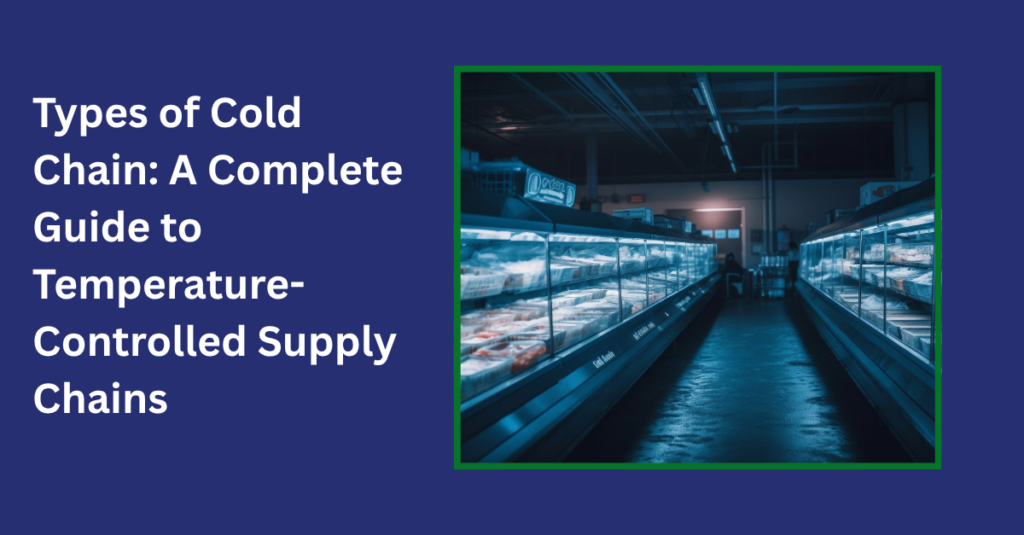
Types of cold chain refer to different temperature-controlled logistics systems designed to safely store and transport perishable or temperature-sensitive products. These include chilled, frozen, deep frozen, pharmaceutical, and controlled ambient supply chains. Choosing the right cold chain helps maintain product quality, extend shelf life, reduce wastage, and ensure regulatory compliance.
Businesses dealing with food, beverages, pharmaceuticals, or other temperature-sensitive products rely on different types of cold chain to preserve product quality from storage to delivery. Selecting the right cold chain depends on temperature requirements, transit time, and handling standards. At JustDeliveries, we help food businesses move products efficiently through reliable temperature-controlled logistics solutions. Here’s everything you need to know before choosing the right cold chain for your operations.
What Is a Cold Chain?
A cold chain is a temperature-controlled supply chain that maintains products within a specific temperature range throughout storage, transportation, and distribution. Unlike conventional logistics, it prevents temperature fluctuations that could compromise product quality, safety, or shelf life.
For industries like food and beverage, dairy, frozen foods, and pharmaceuticals, maintaining the correct temperature isn’t just good practice—it is essential for customer satisfaction, compliance, and reducing product losses.
How Does a Cold Chain Work?
An efficient cold chain combines infrastructure, technology, and operational expertise to ensure products remain within their required temperature range.
The process generally includes:
- Temperature-controlled warehousing
- Proper inventory handling
- Suitable insulated packaging
- Refrigerated transportation
- Real-time monitoring until delivery
Advanced logistics providers also use GPS tracking, digital proof of delivery, and live temperature monitoring to identify and resolve issues before they impact product quality.
Types of Cold Chain
Understanding the different types of cold chain helps businesses select the most suitable logistics solution for their products.
1. Chilled Cold Chain (0°C to 8°C)
The chilled cold chain is ideal for products that require refrigeration but should not freeze.
Common applications include:
- Dairy products
- Fresh fruits and vegetables
- Bakery items
- Ready-to-eat meals
- Fresh beverages
Maintaining consistent chilled temperatures helps preserve freshness while extending shelf life.
2. Frozen Cold Chain (-18°C and Below)
Frozen logistics are designed for products that need long-term preservation.
Typical products include:
- Frozen snacks
- Ice cream
- Meat
- Seafood
- Frozen desserts
Businesses using frozen logistics require reliable vehicles and storage facilities capable of maintaining uninterrupted low temperatures.
3. Deep Frozen Cold Chain (-25°C to -30°C)
Some highly sensitive products require temperatures lower than standard freezing.
Industries using this category include:
- Premium seafood
- Specialty frozen foods
- Export-quality frozen products
Deep frozen storage helps maintain product texture, nutritional value, and quality during extended transportation.
4. Pharmaceutical Cold Chain (2°C to 8°C)
Medicines, vaccines, biologics, and certain healthcare products require highly controlled environments.
This cold chain emphasizes:
- Strict temperature compliance
- Regulatory documentation
- Continuous monitoring
- Secure handling
Even minor temperature deviations can affect product effectiveness.
5. Controlled Ambient Cold Chain
Not all products require refrigeration. Some require protection from excessive heat and humidity while remaining above refrigerated temperatures.
Examples include:
- Chocolate
- Nutraceuticals
- Specialty ingredients
- Certain packaged foods
This category ensures products remain stable during storage and transportation without exposure to damaging environmental conditions.
Which Industries Depend on Different Types of Cold Chain?
Different industries rely on different types of cold chain depending on the products they transport.
Food & Beverage
Fresh ingredients, prepared foods, beverages, and packaged products require consistent temperature control throughout distribution.
Dairy
Milk, yogurt, cheese, butter, and other dairy products depend on chilled transportation to preserve freshness.
Frozen Foods
Manufacturers and distributors of frozen meals, snacks, and desserts rely on frozen logistics to prevent thawing during transit.
Meat & Seafood
Strict temperature control protects food safety while preserving taste, texture, and shelf life.
Fruits & Vegetables
Fresh produce benefits from temperature-controlled transportation that slows spoilage while maintaining freshness.
Pharmaceuticals
Vaccines and temperature-sensitive medicines require highly regulated cold chain systems.
Choosing the Right Cold Chain
Not every product requires the same logistics approach. Selecting the appropriate types of cold chain depends on several factors.
Consider:
- Required storage temperature
- Product shelf life
- Delivery distance
- Regulatory requirements
- Packaging requirements
- Shipment frequency
- Seasonal demand
Evaluating these factors helps businesses reduce spoilage while improving operational efficiency.
Common Challenges in Cold Chain Logistics
Maintaining an uninterrupted cold chain requires careful planning.
Common challenges include:
- Temperature fluctuations
- Delivery delays
- Poor packaging
- Equipment breakdowns
- Warehouse handling errors
- Lack of shipment visibility
- Rising transportation costs
Businesses that invest in technology and trained logistics partners can significantly reduce these risks.
How Technology Is Transforming Cold Chain Logistics
Technology has become one of the biggest differentiators in modern cold chain management.
Real-time GPS tracking, IoT-enabled temperature monitoring, AI-powered route optimisation, and digital reporting improve operational visibility and reduce product losses.
At JustDeliveries, businesses also benefit from HQ App, a centralized dashboard that provides complete visibility into logistics operations. Food and beverage brands can track live vehicle movement, monitor temperature compliance, review service-level agreements (SLAs), manage billing, and access AI-driven performance insights—all in real time. This level of transparency enables businesses to make faster decisions while maintaining product integrity across every shipment.
How Quick Commerce Is Raising the Bar for Cold Chain Logistics
The rapid growth of quick commerce has significantly increased the demand for reliable temperature-controlled transportation. Consumers now expect fresh and frozen products to be replenished at dark stores multiple times a day without compromising quality.
This is where efficient types of cold chain become essential.
JustDeliveries powers cold-chain logistics for leading quick commerce platforms, including Swiggy Instamart, Zepto, Blinkit, Amazon, JioMart, and BigBasket. The company manages hub-to-hub transfers and dark store deliveries using refrigerated vehicles equipped with real-time tracking and continuous temperature control, helping brands maintain freshness while meeting demanding delivery schedules.
As highlighted by Mansi Mahansaria, building a dependable cold chain is no longer just about transportation—it is about creating a resilient supply network that supports modern food businesses at scale.
Why Choosing the Right Logistics Partner Matters
An efficient cold chain depends not only on refrigerated vehicles but also on operational expertise, technology, trained personnel, and consistent execution.
Businesses should look for logistics partners that offer:
- Temperature-controlled transportation
- Cold warehousing
- Real-time shipment visibility
- Compliance monitoring
- Reliable delivery performance
- Scalable distribution networks
Selecting the appropriate types of cold chain for your products can reduce wastage, improve customer satisfaction, and support long-term business growth.
Conclusion
Choosing the right types of cold chain is essential for protecting product quality, reducing waste, and ensuring customers receive fresh, safe products every time. As supply chains become faster and more complex, investing in reliable cold chain infrastructure and technology has become a competitive advantage rather than an operational expense.
At JustDeliveries, we help restaurants, cloud kitchens, food manufacturers, distributors, and quick commerce businesses build dependable temperature-controlled supply chains through refrigerated transportation, cold storage, warehousing, and advanced technology solutions. Guided by industry expertise from Mansi Mahansaria and backed by real-time visibility through our HQ App, we empower businesses to deliver freshness with confidence while scaling efficiently across markets.
Frequently Asked Questions
Q1. What are the main types of cold chain?
The primary types of cold chain include chilled, frozen, deep frozen, pharmaceutical, and controlled ambient logistics, each designed for specific temperature-sensitive products.
Q2. How does a cold chain maintain product quality?
A cold chain maintains consistent temperatures during storage, transportation, and delivery, preventing spoilage and preserving product freshness and safety.
Q3. Why are different types of cold chain important?
Different products require different temperature ranges. Using the correct cold chain ensures quality, compliance, and longer shelf life.
Q4. Can food businesses use multiple types of cold chain?
Yes. Businesses handling diverse product categories often use multiple cold chain solutions based on individual storage and transportation requirements.
Q5. Is cold chain logistics only for frozen products?
No. Cold chain logistics also supports chilled foods, dairy, fresh produce, pharmaceuticals, beverages, and products requiring controlled ambient conditions.
Q6. How do quick commerce companies depend on cold chain logistics?
Quick commerce platforms require frequent replenishment of dark stores and distribution hubs using temperature-controlled vehicles to ensure products remain fresh throughout delivery.
Q7. Will technology improve cold chain efficiency?
Yes. GPS tracking, IoT sensors, AI-driven route planning, and live temperature monitoring improve visibility, reduce risks, and enhance delivery performance.
Q8. What should businesses consider before choosing a cold chain solution?
Businesses should evaluate product temperature requirements, transit distance, compliance needs, shipment volumes, and shelf life before selecting the appropriate cold chain.

Mansi Mahansaria
I’m Mansi Mahansaria, CEO and Founder of JustDeliveries, a B2B logistics company specializing in the food and beverage sector. With a background in Chemical Technology (ICT Mumbai), an MBA (FMS Delhi), and experience at IDFC Private Equity and Tata Group, I’ve built a plug-and-play logistics network helping F&B brands scale efficiently. I also share insights on entrepreneurship and logistics at industry and academic events.