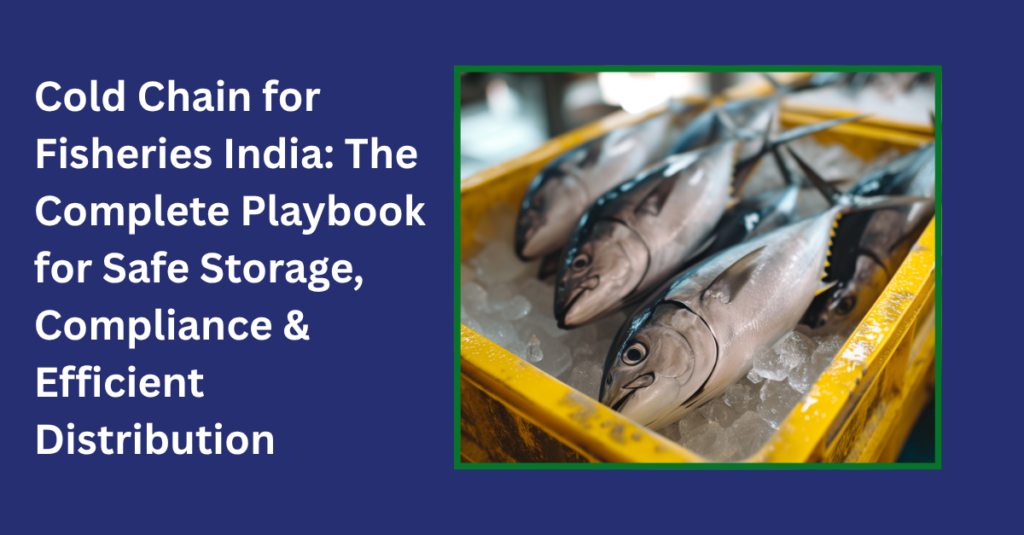
Cold chain for fisheries India refers to maintaining uninterrupted temperature control from the moment fish is harvested until it reaches processors, retailers, or consumers. A reliable cold chain preserves freshness, reduces spoilage, supports food safety compliance, extends shelf life, and enables seafood businesses to meet domestic and export quality standards.
A well-managed cold chain for fisheries India is essential for preserving seafood quality, minimizing post-harvest losses, and ensuring regulatory compliance. As India’s seafood industry expands, investing in reliable cold storage and refrigerated transportation is no longer optional, it’s a competitive advantage. If you’re looking to strengthen your seafood supply chain, JustDeliveries offers technology-enabled cold chain logistics designed for food businesses. For seafood businesses evaluating providers, exploring dedicated cold chain solutions can help identify the right fit for specific storage and transport needs. Read on to discover the best practices that keep seafood fresh from catch to customer.
What Is a Cold Chain for Fisheries?
A fisheries cold chain is a temperature-controlled supply chain that protects fish and seafood products throughout every stage of handling, storage, transportation, and distribution. Since seafood is one of the most perishable food categories, even short periods of temperature fluctuation can affect quality, safety, and shelf life.
An effective cold chain for fisheries India combines refrigerated storage, insulated transport, continuous monitoring, trained personnel, and documented handling procedures. Together, these elements help maintain freshness while reducing wastage and ensuring consistent product quality. Understanding the different types of cold chain available can help businesses choose the right combination of storage and transport for their specific seafood products.
The Fisheries Cold Chain Journey in India
Maintaining quality begins long before seafood reaches the market. Every stage plays a crucial role in preserving freshness.
1. Harvesting and Landing
The cold chain starts immediately after the catch. Fish should be iced or chilled as quickly as possible to slow bacterial growth and maintain freshness. Delays during landing are among the leading causes of quality deterioration.
2. Pre-Cooling and Handling
Sorting, washing, grading, and hygienic handling should take place in temperature-controlled environments. Rapid pre-cooling helps stabilize product temperature before storage or processing.
3. Fish Cold Storage India
Proper storage depends on the product type. Fresh seafood requires chilled storage, while frozen products need blast freezing followed by storage at consistently low temperatures. Modern cold rooms equipped with digital monitoring improve inventory management and reduce spoilage.
4. Processing and Packaging
Seafood processing facilities must maintain controlled temperatures throughout cleaning, cutting, packaging, and labeling. Consistency during processing supports both food safety and product quality.
5. Refrigerated Transportation
Temperature-controlled vehicles ensure seafood remains within the required range during transit. GPS tracking, temperature sensors, and route optimization further improve delivery reliability, making cold chain for fisheries India more efficient. Coastal hubs handling high seafood volumes, such as those served by cold chain logistics Mumbai networks, benefit especially from this level of transit visibility.
6. Distribution and Retail
Cold warehouses and refrigerated distribution centers maintain product quality until seafood reaches wholesalers, retailers, restaurants, or export hubs. In major consumption markets, established cold chain logistics Bangalore networks illustrate how well-connected distribution hubs support consistent last-mile freshness.
Fisheries Cold Storage Compliance in India
Compliance is a critical component of every seafood operation. Businesses should maintain proper documentation, hygiene standards, temperature records, and traceability throughout the supply chain.
Key compliance practices include:
- Maintaining appropriate storage temperatures
- Regular equipment maintenance
- Continuous temperature monitoring
- Batch-level traceability
- Proper sanitation procedures
- Staff training on food handling
Following a structured fisheries cold storage compliance program not only protects consumers but also improves business credibility and export readiness.
A Practical Fisheries Cold Chain Playbook
Building an efficient seafood cold chain doesn’t require unnecessary complexity. Following a systematic approach delivers better operational outcomes.
- Assess storage requirements. Understand the volume and type of seafood you handle.
- Choose suitable storage conditions. Fresh, chilled, and frozen products require different storage environments.
- Invest in reliable infrastructure. Cold rooms, blast freezers, refrigerated vehicles, and backup power systems form the backbone of a dependable cold chain for fisheries India.
- Implement real-time monitoring. Digital temperature tracking minimizes manual errors and helps identify potential issues before product quality is affected.
- Train your workforce. Staff awareness is equally important as technology. Proper handling procedures significantly reduce wastage.
- Review and improve regularly. Internal audits and performance reviews help identify opportunities for better efficiency.
Common Challenges Facing India’s Fisheries Cold Chain
Although cold chain infrastructure continues to improve, seafood businesses still encounter several operational challenges.
- Remote landing locations
- Seasonal supply fluctuations
- Power interruptions
- Rising fuel costs
- Limited cold storage capacity in certain regions
- Maintaining consistent temperatures over long distances
Addressing these challenges requires integrated logistics planning instead of isolated storage solutions.
Technology Is Transforming Cold Chain Operations
Digital innovation is reshaping cold chain for fisheries India by improving visibility, efficiency, and decision-making.
IoT-enabled sensors continuously monitor product temperatures throughout transportation. GPS-enabled reefer vehicles provide location visibility while reducing delays. Cloud-based reporting simplifies compliance documentation, and predictive maintenance helps reduce equipment downtime.
One of the biggest advantages for food businesses today is the availability of centralized logistics platforms.
JustDeliveries’ HQ App provides a single dashboard where food businesses can monitor live vehicle movement, temperature compliance, SLA performance, billing, and AI-driven operational insights in real time. Instead of relying on multiple systems, logistics teams gain complete visibility across their temperature-controlled supply chain.
How Quick Commerce Is Changing Seafood Logistics
Consumer expectations for faster deliveries are influencing even temperature-sensitive food categories. While seafood distribution often involves B2B movements rather than direct consumer deliveries, quick commerce has increased the need for agile, reliable cold chain operations.
JustDeliveries supports temperature-controlled logistics for leading quick commerce and grocery platforms including Swiggy Instamart, Zepto, Blinkit, Amazon, JioMart, and BigBasket. Its network manages hub-to-hub transfers and dark store replenishment using real-time tracking and temperature-controlled transportation, helping food brands maintain freshness while meeting demanding delivery timelines. This is especially evident in high-density markets like the National Capital Region, where cold chain logistics Delhi operations support rapid replenishment cycles.
The same operational expertise benefits seafood businesses seeking dependable distribution across processing facilities, warehouses, retailers, and foodservice partners. Regional networks, including cold chain logistics Hyderabad operations, demonstrate how this expertise extends well beyond metro markets to support growing seafood demand.
Choosing the Right Cold Chain Logistics Partner
Selecting the right logistics provider directly impacts seafood quality and operational efficiency.
Look for a partner that offers:
- Refrigerated transportation
- Temperature monitoring
- Cold warehousing
- Digital shipment visibility
- Compliance support
- Scalable logistics solutions
- Food industry expertise
As highlighted by Mansi Mahansaria, efficient cold chain logistics is no longer just about transportation—it’s about building an intelligent ecosystem where technology, compliance, and operational excellence work together to protect product quality.
Conclusion
An uninterrupted cold chain for fisheries India is fundamental to maintaining seafood freshness, reducing losses, and meeting increasingly stringent quality expectations. Businesses that invest in proper storage, compliance, technology, and integrated logistics are better positioned to serve domestic markets and expand globally.
Industry insights shared by Mansi Mahansaria emphasize that combining modern cold storage infrastructure with real-time visibility and reliable transportation creates a stronger, more resilient seafood supply chain.
Whether you’re transporting fresh catch, frozen seafood, or value-added seafood products, JustDeliveries delivers end-to-end temperature-controlled logistics with refrigerated transportation, cold warehousing, digital monitoring, and the HQ App to help food businesses operate with confidence. Connect with the JustDeliveries team to build a smarter, more reliable cold chain for your fisheries business.
Frequently Asked Questions
Q1. What is cold chain for fisheries India?
A cold chain for fisheries India is a temperature-controlled supply chain that preserves seafood quality from harvesting and storage to transportation and final distribution.
Q2. Why is fisheries cold storage compliance important?
Compliance helps maintain food safety, product quality, traceability, and regulatory standards while reducing spoilage and supporting export readiness.
Q3. How does refrigerated transport protect seafood?
Refrigerated vehicles maintain consistent temperatures during transit, preventing bacterial growth and preserving freshness until delivery.
Q4. How can seafood businesses reduce spoilage during transportation?
They can reduce spoilage by using insulated packaging, temperature-monitored reefer vehicles, minimizing loading delays, and continuously tracking shipment conditions.
Q5. Can technology improve fisheries cold chain management?
Yes. IoT sensors, GPS tracking, AI-based analytics, and centralized dashboards provide better visibility, faster decision-making, and improved compliance.
Q6. Is cold storage necessary for fresh fish distribution?
Yes. Maintaining appropriate chilled temperatures significantly extends shelf life, protects food quality, and reduces post-harvest losses.
Q7. Will integrated logistics improve seafood supply chains?
Integrated cold chain services reduce handling points, improve shipment visibility, streamline transportation, and help businesses maintain consistent product quality.
Q8. What should businesses look for in a fisheries logistics partner?
Businesses should choose providers with refrigerated fleets, cold storage facilities, temperature monitoring, compliance expertise, digital tracking capabilities, and experience in handling perishable food products

Mansi Mahansaria
I’m Mansi Mahansaria, CEO and Founder of JustDeliveries, a B2B logistics company specializing in the food and beverage sector. With a background in Chemical Technology (ICT Mumbai), an MBA (FMS Delhi), and experience at IDFC Private Equity and Tata Group, I’ve built a plug-and-play logistics network helping F&B brands scale efficiently. I also share insights on entrepreneurship and logistics at industry and academic events.