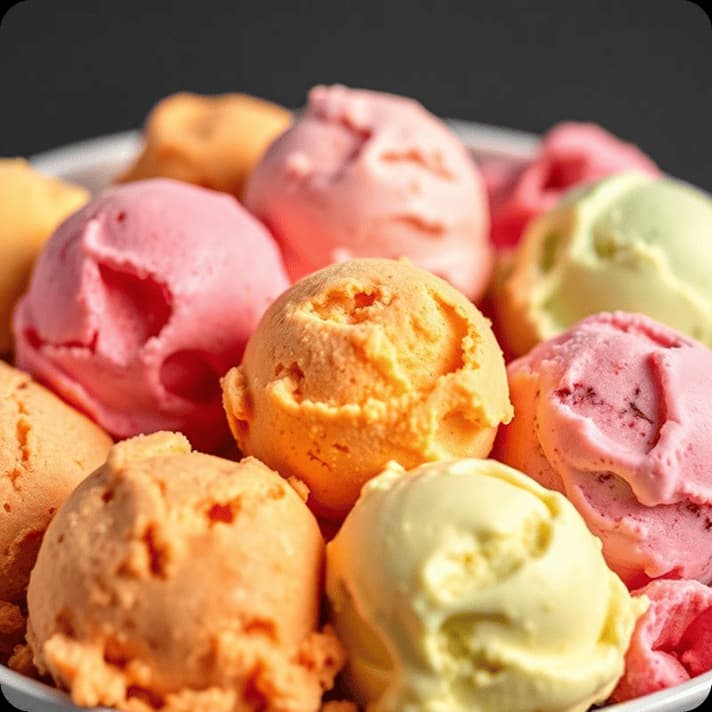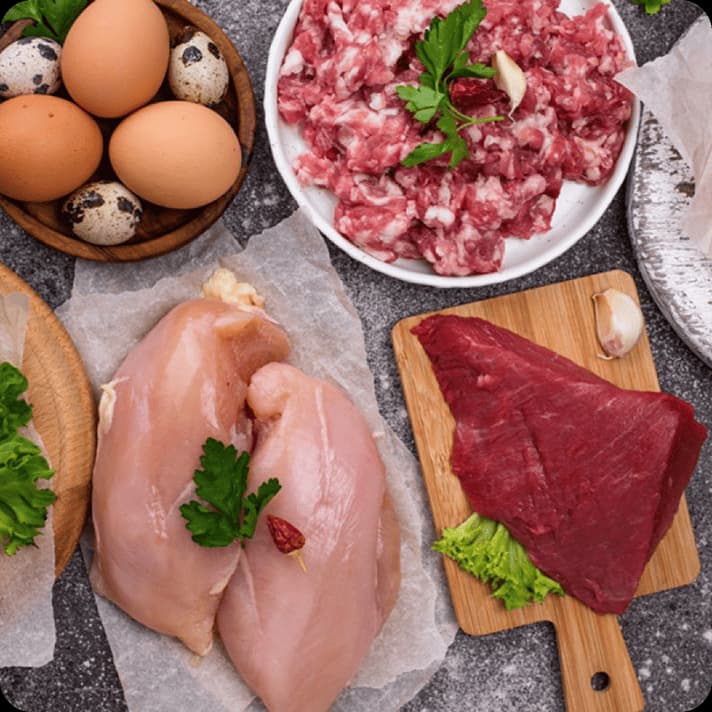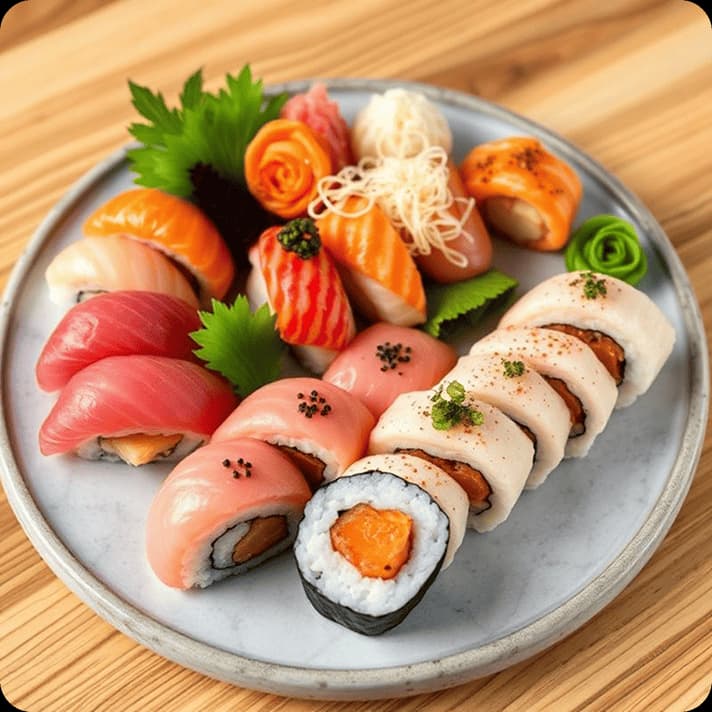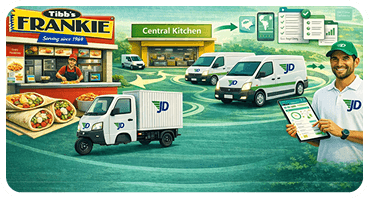

Temperature controlled logistics ensures that temperature-sensitive products like dairy, frozen foods, meat, pharmaceuticals, and fresh produce are transported and stored within a controlled temperature range. In India, efficient cold chain logistics helps reduce spoilage, maintain food safety, improve shelf life, and support fast-growing food delivery and retail businesses.
Temperature controlled logistics play a critical role in keeping food fresh, safe, and delivery-ready across India’s rapidly expanding food supply chain. From frozen products and dairy to cloud kitchens and quick commerce brands, businesses today rely on advanced cold chain systems to reduce wastage and maintain quality. Companies like JustDeliveries are helping modern food businesses streamline temperature-sensitive transportation with technology-enabled logistics solutions.
What Is Temperature Controlled Logistics?
Temperature controlled logistics refers to the transportation, storage, and handling of products within a predefined temperature range to preserve their quality and safety. It is a vital part of cold chain management, especially for industries dealing with perishable or sensitive goods.
Unlike conventional logistics, temperature controlled logistics involves specialized infrastructure such as refrigerated vehicles, cold storage facilities, insulated packaging, and real-time temperature monitoring systems.
Products that commonly require temperature-controlled transportation include:
- Frozen foods
- Dairy products
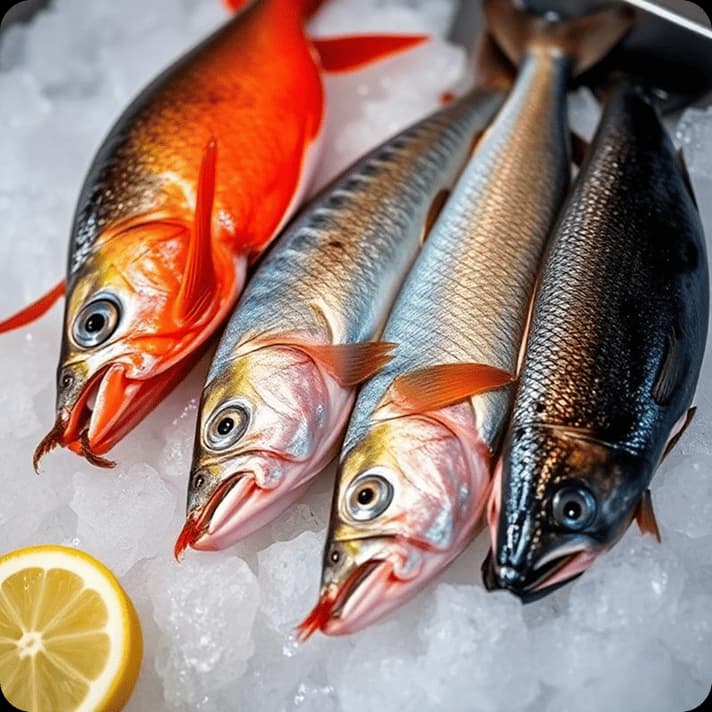
- Meat and seafood
- Fresh fruits and vegetables
- Bakery items
- Ready-to-eat food products
Even minor temperature fluctuations during transit can impact freshness, texture, shelf life, and food safety. This is why businesses increasingly invest in reliable cold chain systems to maintain consistency across their supply chain.
Why Temperature Controlled Logistics Is Essential in India
India’s food and beverage industry has grown rapidly over the last decade. With the rise of quick commerce, cloud kitchens, modern retail, and direct-to-consumer food brands, maintaining product quality during transportation has become more important than ever.
Reducing Food Wastage
India faces significant post-harvest and food wastage challenges due to inadequate cold chain infrastructure. Perishable goods often deteriorate during transportation because of heat exposure, delayed deliveries, or poor storage conditions.
Efficient temperature controlled logistics helps businesses:
- Reduce spoilage
- Improve product shelf life
- Maintain freshness
- Lower operational losses
For food businesses operating at scale, even a small reduction in wastage can lead to substantial cost savings.
Supporting Fast Delivery Models
Modern consumers expect fresh deliveries within hours. Whether it’s a cloud kitchen restocking ingredients or a grocery platform delivering frozen foods, logistics speed and temperature control now go hand in hand.
Temperature controlled logistics India networks are increasingly designed to support:
- Same-day replenishment
- Multi-city distribution
- Last-mile cold chain delivery
- High-frequency deliveries
This is particularly important for restaurants, QSRs, and food retailers managing inventory across multiple locations.
Maintaining Food Safety Standards
Food safety regulations in India continue to evolve, especially for businesses handling frozen and chilled products. Maintaining proper temperatures throughout transportation helps companies comply with hygiene and safety standards while protecting customer trust.
Cold chain compliance also improves:
- Traceability
- Product consistency
- Batch monitoring
- Quality assurance
For food brands, logistics is no longer just about movement; it directly affects brand reputation.
Key Components of an Efficient Temperature Controlled Logistics System
An effective cold chain operation combines infrastructure, technology, and operational expertise.
Refrigerated Transportation
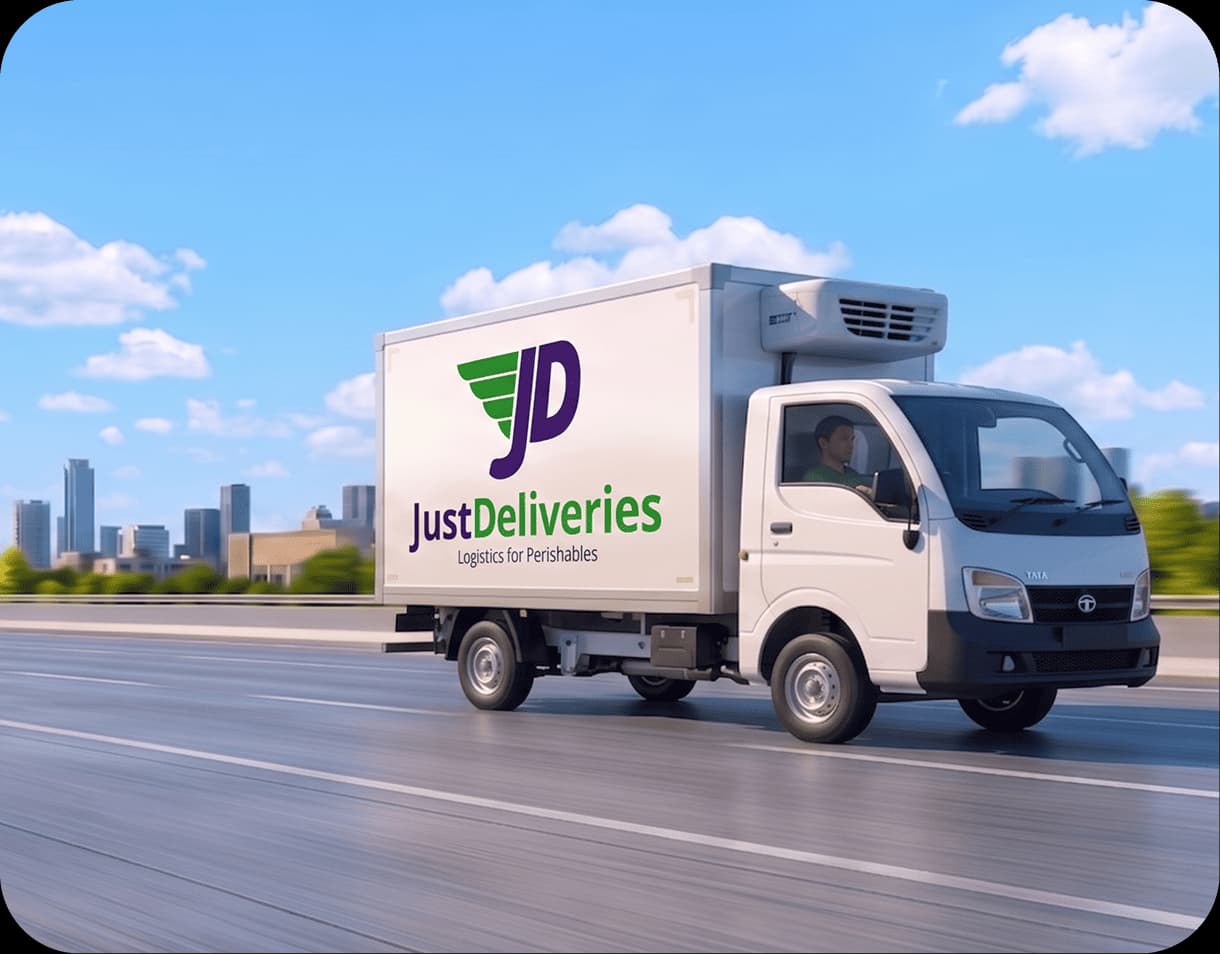
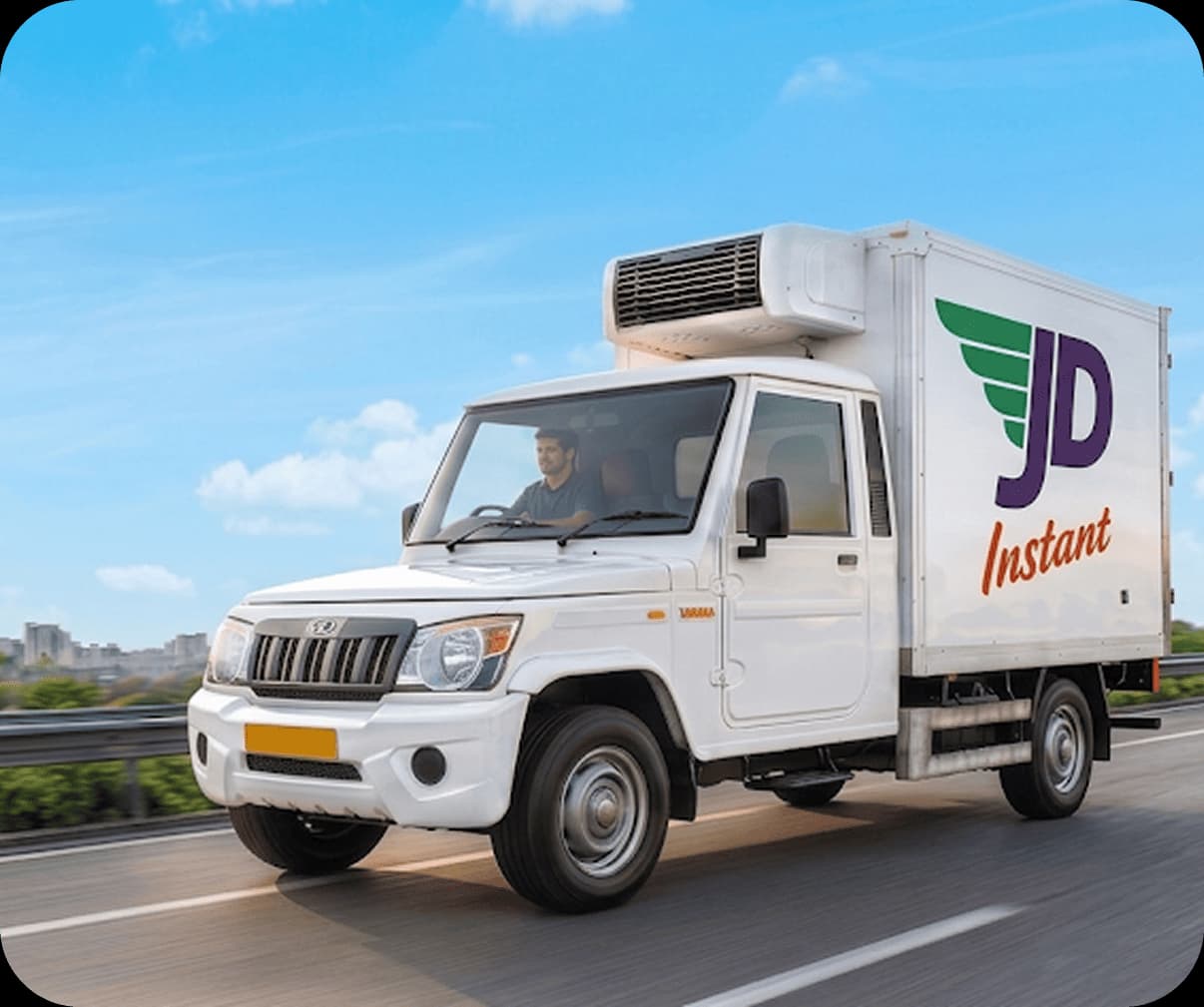
Refrigerated trucks and reefer vans are the backbone of temperature controlled logistics. Different products require different temperature settings:
- Frozen foods: typically below -18°C
- Chilled goods: between 0°C and 5°C
- Fresh produce: depending on product sensitivity
Modern fleets are designed to maintain stable temperatures even during long-distance transportation and multiple delivery stops.
Cold Storage and Warehousing
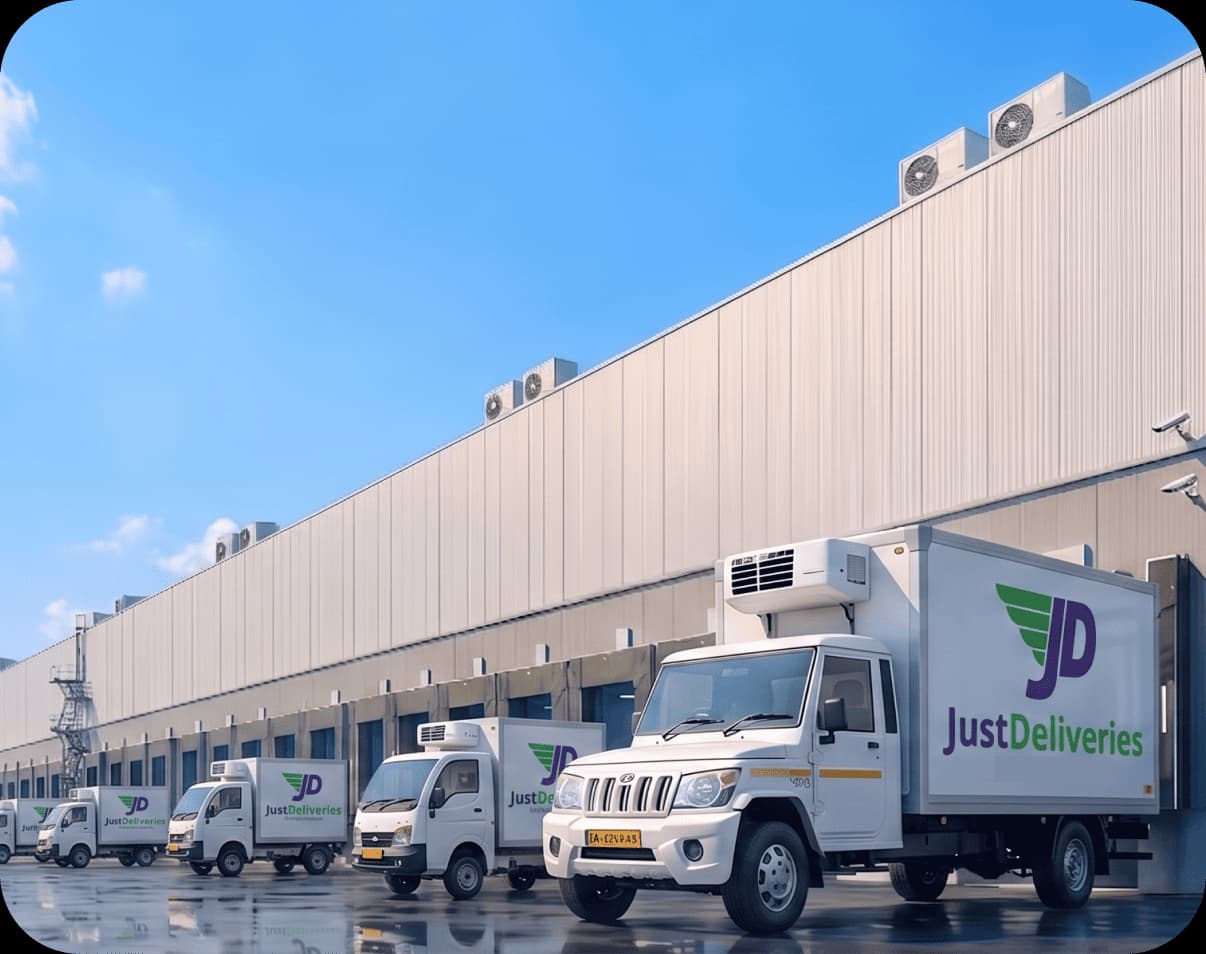
Storage is equally important in maintaining product integrity. Efficient cold storage facilities help businesses manage inventory while minimizing spoilage.
Temperature zones usually include:
- Ambient storage
- Chilled storage
- Frozen storage
Well-managed warehousing systems also improve inventory rotation and reduce delays in dispatch.
Real-Time Temperature Monitoring
One of the biggest advancements in temperature controlled logistics companies today is the use of technology-driven monitoring systems.
IoT-enabled sensors and GPS tracking allow logistics teams to:
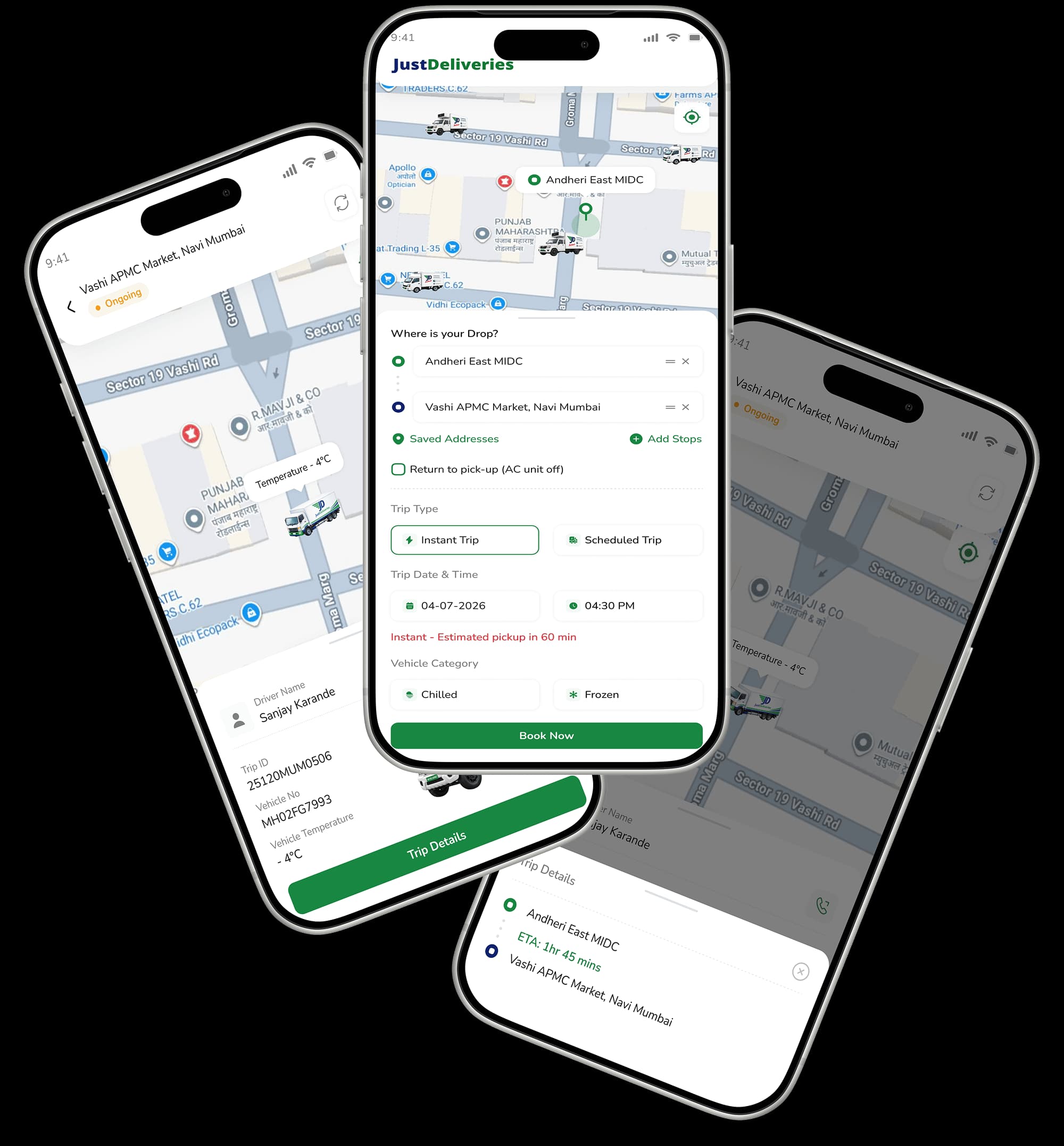
- Monitor temperatures in real time
- Detect fluctuations immediately
- Track delivery movement
- Improve shipment visibility
This level of transparency helps businesses make faster operational decisions and reduce risks during transit.
Route Optimization and Faster Deliveries
In cold chain logistics, time directly affects product quality. Efficient route planning reduces delays, minimizes door openings, and improves delivery timelines.
Smart logistics systems help optimize:
- Delivery routes
- Fuel usage
- Transit times
- Vehicle utilization
For businesses managing perishable inventory, this operational efficiency can significantly improve profitability.
Common Challenges in Temperature Controlled Logistics
Despite growing infrastructure investments, cold chain logistics in India still face several operational challenges.
Temperature Excursions During Transit
Frequent door openings, traffic delays, and equipment failures can disrupt temperature stability. Even short-term exposure to incorrect temperatures may affect sensitive products.
This becomes especially critical for:
- Frozen foods
- Dairy products
- Seafood
- Ready-to-eat meals
Infrastructure Gaps
While major cities have seen rapid cold chain development, infrastructure gaps still exist in Tier-2 and Tier-3 markets. Limited access to refrigerated transportation and cold storage facilities often affects distribution efficiency.
As demand expands beyond metros, logistics companies must build more scalable networks.
High Operational Costs
Cold chain operations require higher investments compared to standard logistics.
Major cost drivers include:
- Refrigeration equipment
- Fuel consumption
- Temperature monitoring systems
- Specialized workforce
- Compliance maintenance
Balancing operational efficiency with cost management remains a major focus for logistics providers.
Limited Supply Chain Visibility
Without proper monitoring systems, businesses struggle to track product movement and temperature compliance in real time.
Poor visibility can result in:
- Inventory mismatches
- Delayed issue resolution
- Product spoilage
- Reduced customer confidence
This is why technology-enabled logistics systems are becoming essential for modern supply chains.
How Leading Temperature-Controlled Logistics Companies Solve These Challenges
Leading temperature-controlled logistics companies are increasingly adopting technology, automation, and data-driven operations to improve cold chain efficiency.
Technology-Enabled Operations
Advanced logistics systems now integrate:
- GPS tracking
- IoT temperature monitoring
- Predictive route planning
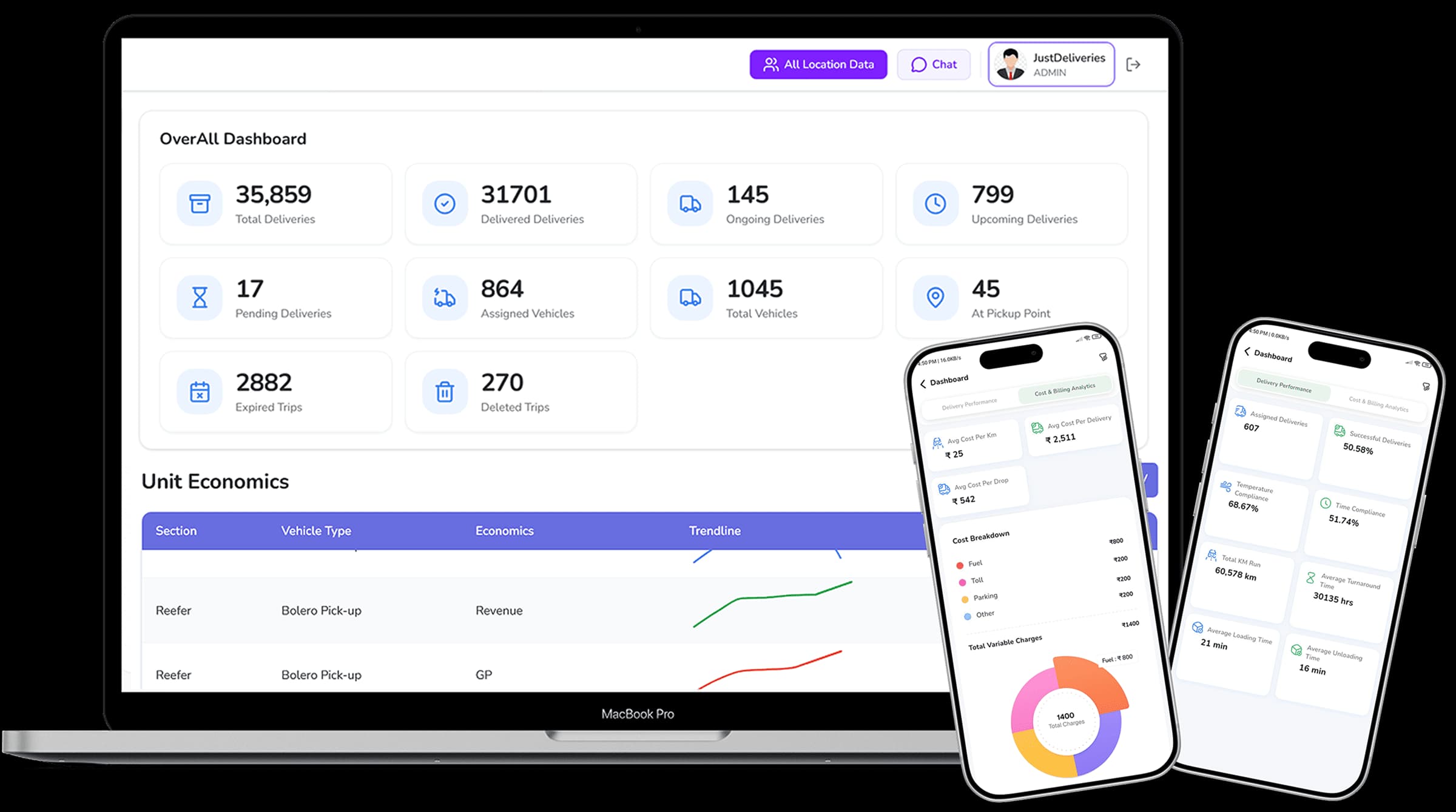
- Digital dashboards
These tools improve operational control and reduce human error during transportation.
Flexible Distribution Networks
Modern food businesses often require flexible and scalable logistics support. Reliable cold chain partners help companies manage:
- Multi-city distribution
- Seasonal demand spikes
- Frequent replenishment cycles
- Last-mile deliveries
Shared logistics models also help reduce costs for growing brands.
Specialized Food & Beverage Expertise
Cold chain logistics requires a deep operational understanding of perishables handling. Businesses today prefer logistics providers that specialize in food and beverage transportation rather than general freight movement.
This expertise helps improve:
- Product handling
- Transit consistency
- Delivery reliability
- Shelf-life management
According to logistics industry insights shared by food supply chain specialists like Mansi Mahansaria, operational visibility and product handling precision are becoming critical competitive advantages for modern food businesses.
How to Choose the Right Temperature-Controlled Logistics Partner
Choosing the right logistics provider directly affects product quality, customer experience, and operational efficiency.
Evaluate Industry Experience
Look for companies with proven expertise in food and beverage logistics. Specialized operators understand the complexities of handling frozen, chilled, and perishable inventory.
Assess Fleet and Infrastructure
A reliable logistics partner should offer:
- Refrigerated transportation
- Multi-temperature vehicles
- Cold storage support
- Scalable delivery networks
Infrastructure capability is especially important for businesses planning regional expansion.
Check Technology and Visibility Systems
Real-time monitoring systems are no longer optional. Businesses should evaluate:
- GPS tracking
- Temperature alerts
- Delivery dashboards
- Proof-of-delivery systems
Visibility improves operational confidence and reduces supply chain risks.
Prioritize Reliability and Scalability
As businesses grow, logistics requirements evolve. The right partner should be able to support:
- Multi-city operations
- High-frequency deliveries
- Inventory scaling
- Expansion into new markets
Consistency and responsiveness matter as much as infrastructure.
The Future of Temperature-Controlled Logistics in India
India’s cold chain sector is evolving rapidly due to changing consumer behavior and technology adoption.
AI and Predictive Logistics
Artificial intelligence is helping logistics companies improve:
- Demand forecasting
- Delivery planning
- Fleet optimization
- Inventory movement
Predictive systems can reduce delays and improve cold chain efficiency at scale.
Sustainable Cold Chain Operations
Sustainability is becoming an important focus area in logistics.
Companies are increasingly investing in:
- Energy-efficient refrigeration
- Route optimization
- Lower-emission transportation
- Reduced packaging waste
Efficient cold chain systems not only reduce costs but also support long-term environmental goals.
Expansion Beyond Metro Cities
The demand for temperature-controlled logistics India solutions is expanding into Tier-2 and Tier-3 markets as food delivery and organized retail continue to grow.
This creates opportunities for businesses to:
- Expand distribution reach
- Improve regional fulfillment
- Serve emerging consumer markets more efficiently
Industry experts, including Mansi Mahansaria, have highlighted the importance of scalable cold chain infrastructure in supporting India’s growing food economy.
Why Food Brands Are Choosing JustDeliveries
Food businesses today need more than transportation; they need reliable cold chain partners who understand operational complexity.
JustDeliveries supports food and beverage brands with:
- Temperature-controlled transportation
- Chilled and frozen logistics
- Real-time shipment tracking
- Cold storage solutions
- Multi-city distribution support
By combining logistics expertise with technology-enabled operations, JustDeliveries helps brands improve delivery consistency, reduce spoilage, and scale supply chains more efficiently across India.
Whether you operate a cloud kitchen, restaurant chain, frozen food brand, or retail distribution network, reliable cold chain logistics can directly improve customer satisfaction and operational performance.
Conclusion
Temperature controlled logistics has become a critical pillar of India’s modern food supply chain. As consumer expectations continue to rise, businesses must invest in reliable cold chain systems that ensure freshness, safety, and operational efficiency.
From reducing wastage to supporting rapid delivery models, cold chain logistics now directly influences brand reputation and business growth. Companies that prioritize visibility, infrastructure, and specialized expertise will be better positioned to scale in an increasingly competitive market.
For food businesses looking to streamline cold chain operations, partnering with experienced logistics providers like JustDeliveries can create long-term operational advantages while maintaining product quality across every stage of the supply chain.
Frequently Asked Questions
Q1. What is temperature controlled logistics?
Temperature controlled logistics refers to the transportation and storage of products within a specific temperature range to maintain product quality, freshness, and safety during transit and warehousing.
Q2. Why is temperature controlled logistics important for food businesses?
It helps reduce spoilage, maintain food safety standards, extend shelf life, and ensure consistent product quality throughout the supply chain.
Q3. How does temperature controlled logistics work?
It uses refrigerated vehicles, cold storage facilities, insulated packaging, and real-time temperature monitoring systems to maintain stable temperatures during transportation and storage.
Q4. Can small food brands use temperature controlled logistics services?
Yes. Many logistics providers offer scalable solutions for small and growing food brands, including shared cold chain transportation and multi-city distribution support.
Q5. Is temperature controlled logistics expensive?
Cold chain logistics generally costs more than standard logistics because it requires specialized infrastructure, refrigeration systems, monitoring technology, and trained handling teams. However, it often reduces losses caused by spoilage and product damage.
Q6. How do temperature controlled logistics companies track shipments?
Most modern providers use GPS tracking, IoT-enabled sensors, temperature alerts, and digital dashboards to monitor shipments in real time and maintain supply chain visibility.
Q7. Will cold chain logistics demand grow in India?
Yes. The growth of quick commerce, cloud kitchens, food delivery platforms, frozen food consumption, and organized retail is expected to increase demand for temperature controlled logistics India services significantly.
Q8. What should businesses look for in temperature controlled logistics companies?
Businesses should evaluate industry expertise, refrigerated fleet capabilities, cold storage access, technology systems, delivery reliability, scalability, and customer support before choosing a logistics partner.

Mansi Mahansaria
I’m Mansi Mahansaria, CEO and Founder of JustDeliveries, a B2B logistics company specializing in the food and beverage sector. With a background in Chemical Technology (ICT Mumbai), an MBA (FMS Delhi), and experience at IDFC Private Equity and Tata Group, I’ve built a plug-and-play logistics network helping F&B brands scale efficiently. I also share insights on entrepreneurship and logistics at industry and academic events.