
Blog
Logistics Services for Corporate Catering Companies in India: A Complete Guide
27 October 2026By Abhishek Kumar
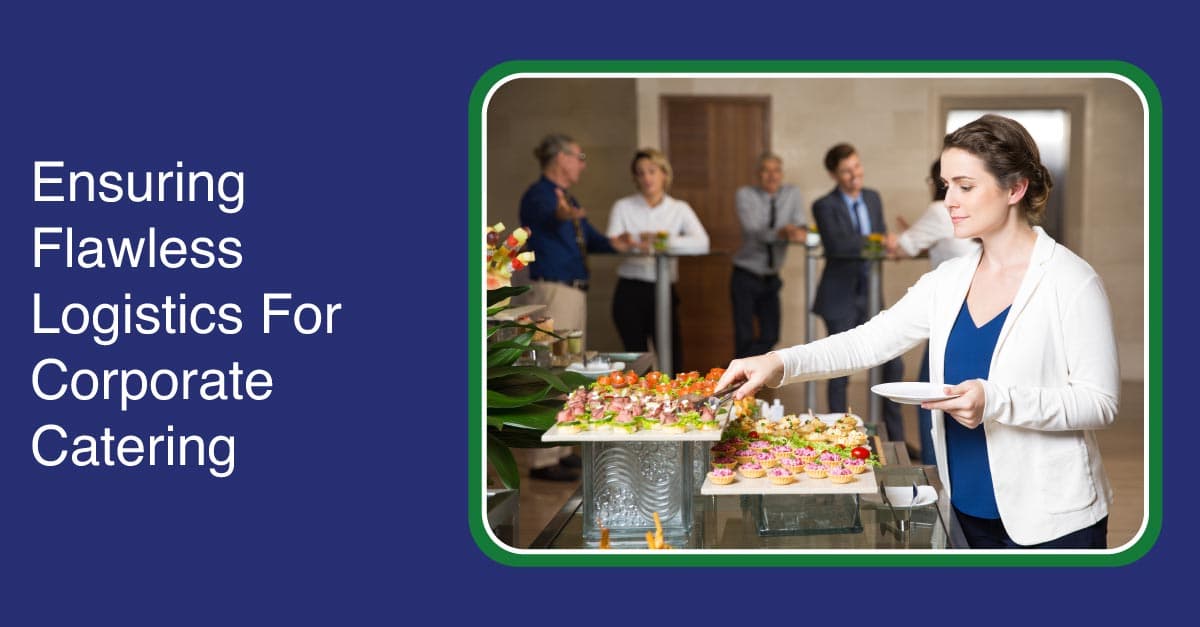
Logistics services for corporate catering companies in India include bulk food transportation, temperature-controlled vehicles, storage, inventory management, shipment tracking, and scheduled distribution. These services help catering businesses coordinate ingredient supplies, central kitchens, office meal programmes, and corporate events while maintaining suitable handling conditions and improving visibility across their supply chains.
Logistics services for corporate catering companies in India help businesses move ingredients, prepared food, and catering supplies between suppliers, kitchens, warehouses, and corporate locations. At JustDeliveries, we support B2B food and beverage logistics through transportation, storage, and distribution solutions designed around business requirements. Understanding how these services work can help caterers plan deliveries more effectively and manage growing operations with greater confidence.
Why Corporate Catering Companies Need Specialised Logistics Services
Corporate catering involves more than preparing meals and serving them on time. Caterers must coordinate large quantities of ingredients, manage recurring office meal orders, and meet strict delivery schedules across multiple locations.
A disruption at any stage can affect food quality, increase wastage, or delay an entire service.
Specialised logistics helps address these challenges through:
- Bulk transportation: Moving large volumes of ingredients, packaged food, and catering supplies efficiently.
- Temperature management: Using suitable transport conditions for ambient, chilled, and frozen products.
- Scheduled distribution: Coordinating dispatches with kitchen preparation and corporate delivery windows.
- Shipment visibility: Tracking consignments and confirming deliveries.
- Flexible capacity: Accommodating regular requirements and additional demand during conferences, celebrations, and business events.
For caterers managing several corporate accounts, a well-planned logistics operation can make daily distribution more predictable.
What Do Logistics Services for Corporate Catering Companies in India Include?
The right logistics arrangement depends on the food being transported, the distance involved, delivery frequency, and the number of locations served.
Bulk Food Transportation and Scheduled Distribution
Corporate caterers frequently move ingredients from suppliers to central kitchens and distribute food or supplies to offices, cafeterias, and event venues. Bulk food delivery logistics for corporates requires careful coordination of vehicle capacity, loading schedules, delivery routes, and receiving arrangements.
Dedicated vehicles can support recurring movements, while on-demand transport can help businesses manage additional requirements.
Temperature-Controlled Food Logistics
Different food products require different handling conditions. Dairy products, frozen ingredients, fresh produce, and prepared meals may have specific temperature requirements depending on their characteristics and applicable food-safety procedures.
Suitable temperature-controlled transportation, appropriate packaging, and temperature monitoring help maintain required conditions during transit.
Ambient vehicles are appropriate for products that do not require refrigeration, while chilled or frozen transport should be selected when the product and its handling requirements demand it.
Storage and Inventory Management
Storage plays an important role when catering companies handle large inventories or supply several kitchens and corporate locations.
Relevant services may include:
- Ambient, chilled, or frozen storage, as required.
- Inventory tracking and stock visibility.
- Coordinated receiving and dispatch.
- Order consolidation for multiple destinations.
- Records of stock movement and storage conditions.
These capabilities help businesses coordinate inventory with actual demand and reduce avoidable handling and dispatch delays.
Multi-City Distribution
Catering businesses operating across multiple cities need a distribution plan that accounts for inter-city transportation, receiving facilities, route availability, and local delivery arrangements.
A suitable logistics partner can help coordinate movements between distribution hubs, warehouses, and business locations, subject to its actual network and service coverage.
How Corporate Catering Supply Chain Management Works
Effective corporate catering supply chain management connects procurement, storage, kitchen operations, and distribution into a coordinated process.
A typical workflow includes:
- Demand planning: Estimate ingredient quantities and meal volumes using confirmed orders and expected demand.
- Procurement coordination: Schedule supplier deliveries according to inventory requirements.
- Storage and preparation: Maintain appropriate storage conditions and coordinate stock availability with kitchen schedules.
- Dispatch planning: Match order readiness with vehicle capacity, route requirements, and delivery windows.
- Transportation and tracking: Monitor shipment progress and relevant handling conditions.
- Delivery confirmation: Record handovers, proof of delivery, and any exceptions.
- Performance review: Examine delays, wastage, stock discrepancies, and recurring operational issues.
A coordinated process helps caterers identify problems earlier and make better-informed decisions about staffing, inventory, and delivery capacity.
How to Choose the Best Catering Logistics Solutions in India
Not every logistics provider is equipped to handle food-related requirements. Before selecting a catering company logistics provider in India, evaluate its capabilities against your operating model.
1. Check Food Logistics Experience
Look for experience with food and beverage transportation, bulk movements, recurring deliveries, and temperature-sensitive products. Ask for relevant case studies or client references where available.
2. Evaluate Vehicle and Storage Suitability
Confirm whether the provider can accommodate your product categories, transportation distances, storage requirements, and delivery volumes.
3. Review Tracking and Delivery Visibility
Shipment tracking, digital proof of delivery, exception reporting, and clear communication help operations teams respond to delays and discrepancies.
4. Compare Costs and Flexibility
Assess transportation charges, storage fees, additional handling, vehicle utilisation, and seasonal capacity. A low initial quote may not represent the most economical arrangement if service requirements are excluded.
5. Confirm Coverage and Service Commitments
Verify the routes, cities, facilities, and delivery stages covered by the provider. Review service-level agreements, escalation procedures, and contingency arrangements before committing.
The best catering logistics solutions in India are those that align with a company’s actual operational needs rather than simply offering the largest number of services.
Common Logistics Challenges in Corporate Catering
Corporate caterers face several challenges that can affect service quality and operating costs.
- Last-minute order changes: Revised guest counts can affect vehicle capacity and dispatch schedules. Flexible transport arrangements help accommodate changes where capacity is available.
- Food spoilage risks: Delays or unsuitable handling conditions can compromise perishable products. Appropriate packaging, transport conditions, and monitoring are essential.
- Multiple delivery locations: Different offices and venues may have separate receiving windows and access requirements. Route planning and clear coordination help reduce disruptions.
- Peak-demand periods: Conferences, corporate celebrations, and seasonal events can create sudden increases in volume. Advance planning and additional transport capacity can help manage demand.
- Limited shipment visibility: Without reliable tracking and delivery records, resolving delays and discrepancies becomes more difficult.
Addressing these issues requires coordination between catering teams, suppliers, warehouse operators, and transport providers.
How Technology Improves Food Logistics for Corporate Events
Technology gives catering businesses better visibility into stock movements and deliveries. It also helps logistics teams coordinate vehicles, schedules, and delivery records.
Useful capabilities include:
- Live shipment tracking to monitor vehicle progress.
- Temperature monitoring to identify relevant deviations during transit.
- Digital proof of delivery to confirm completed handovers.
- Inventory management systems to improve stock visibility.
- Dispatch management tools to coordinate vehicles and routes.
- Operational reporting to identify recurring delays and service gaps.
These tools are particularly useful when catering companies manage multiple corporate accounts or distribute food and supplies across several locations. Technology supports operational control, but it must be combined with appropriate food handling and clear accountability.
Why Consider JustDeliveries for Corporate Catering Logistics?
At JustDeliveries, we focus on B2B food and beverage logistics, helping businesses coordinate transportation, storage, and distribution requirements. Our service options are designed for different operational needs.
JD Regular for Recurring Logistics Requirements
JD Regular provides dedicated drivers and vehicles through annual contracts, with account management, a 24/7 control tower, and ERP integration. It can suit businesses with predictable, recurring transportation requirements.
JD Instant for On-Demand Transportation
JD Instant offers app-based booking for dedicated temperature-controlled vehicles, with live tracking and digital proof of delivery. It can help businesses address changing transportation needs, subject to vehicle availability and service coverage.
JD Storage for Warehousing and Inventory Support
JD Storage provides warehousing and cold-storage options, inventory management, warehouse management system visibility, and temperature logs. These capabilities can support businesses managing stock across multiple locations.
For corporate caterers, the appropriate combination depends on product requirements, delivery frequency, storage needs, and operating locations. Reviewing these factors before selecting a service helps establish a practical logistics arrangement.
Conclusion: Build a More Reliable Catering Supply Chain with JustDeliveries
Managing corporate catering at scale requires coordination between suppliers, kitchens, storage facilities, and delivery locations. Suitable transport, inventory visibility, scheduled distribution, and appropriate temperature management can help businesses improve operational consistency.
JustDeliveries supports B2B food and beverage logistics through transportation, storage, and distribution solutions tailored to business requirements. If your catering business needs support with recurring food movements, temperature-controlled transport, or multi-location distribution, explore our services and discuss your operational needs with our team.
Get started with JustDeliveries to discuss a logistics solution for your corporate catering operations.
Frequently Asked Questions
Q1. How can corporate catering companies improve delivery efficiency?
They can improve delivery efficiency through demand forecasting, planned dispatch schedules, suitable vehicle capacity, route coordination, shipment tracking, and clear communication with receiving locations.
Q2. Can logistics providers handle bulk food deliveries for corporate events?
Yes. Providers with suitable vehicles, operational capacity, and relevant food-handling procedures can support bulk transportation for corporate events, subject to route availability and product requirements.
Q3. Is temperature-controlled transport necessary for all catering supplies?
No. Temperature-controlled transport is necessary when the product requires specific temperature conditions. Suitable ambient transport is sufficient for products that do not require refrigeration.
Q4. Will outsourcing logistics help corporate caterers reduce costs?
It can help reduce infrastructure and fleet-management expenses, depending on the business model. Actual savings depend on shipment volumes, routes, service fees, vehicle utilisation, and storage requirements.
Q5. What should businesses look for in a catering logistics provider in India?
Businesses should evaluate food-industry experience, vehicle suitability, storage options, geographic coverage, tracking, delivery records, service-level agreements, and transparent pricing.
Q6. What is corporate catering supply chain management?
It is the coordination of ingredient procurement, inventory, storage, kitchen requirements, transportation, and distribution to ensure catering supplies reach the right locations when needed.
Q7. Why is shipment tracking important for food logistics?
Shipment tracking helps businesses monitor delivery progress, identify delays, coordinate receiving teams, and maintain visibility over consignments.
Q8. How does JustDeliveries support corporate catering companies?
JustDeliveries offers B2B transportation, temperature-controlled vehicle options, storage, inventory management, and shipment visibility to support suitable food and beverage logistics requirements.