
Blog
Food Distributor for Restaurant India: How to Choose the Right B2B Partner
14 October 2026By Abhishek Kumar
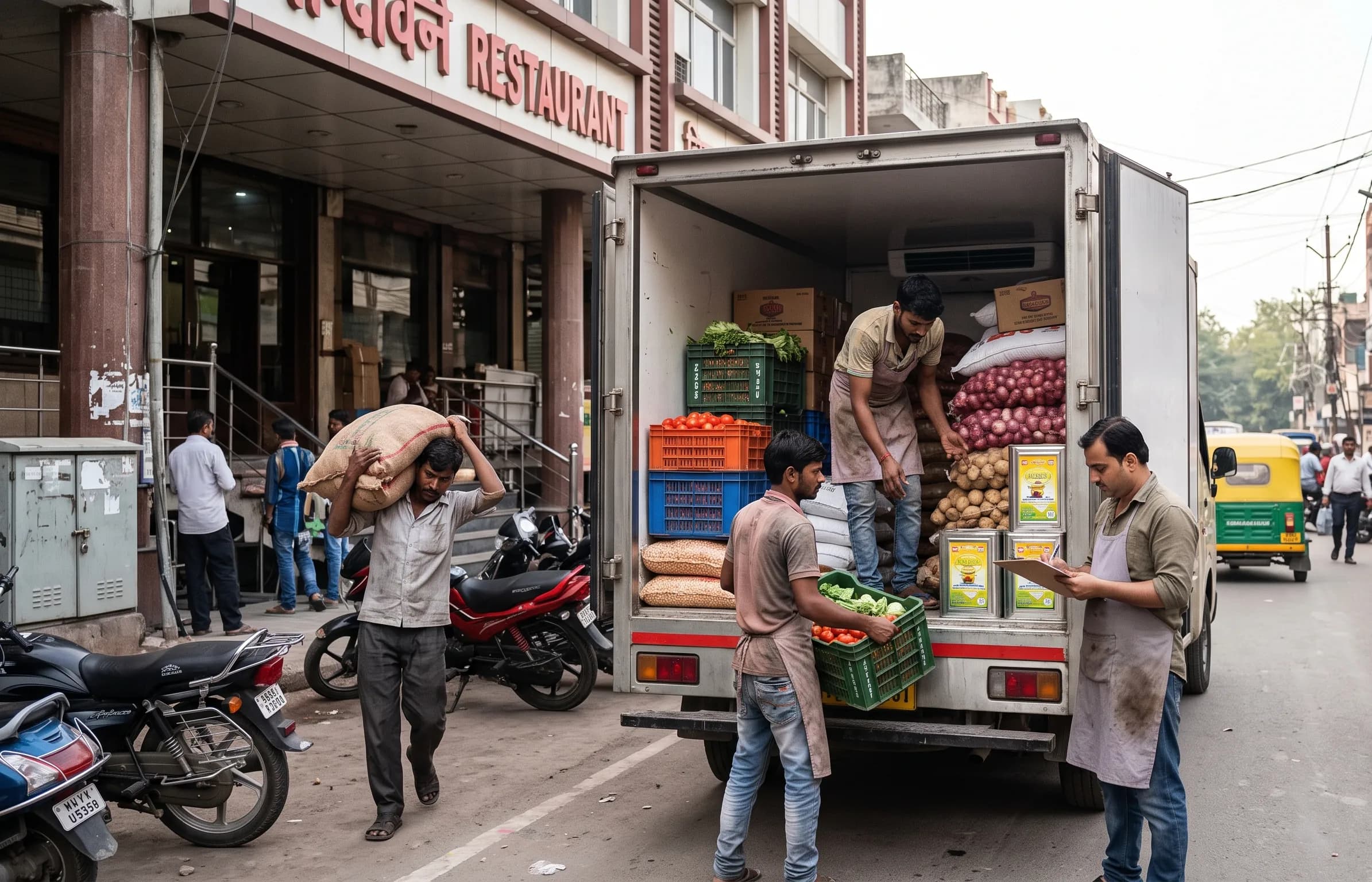
A food distributor for restaurant India should offer dependable product availability, delivery coverage, food-safety practices, flexible order fulfilment and reliable cold-chain capabilities. Restaurants handling fresh, chilled or frozen products should also evaluate temperature-controlled transportation, warehousing, tracking, delivery visibility and scalability before choosing a distribution or logistics partner.
A food distributor for restaurant India should do more than move products from one point to another. Restaurants need dependable supply, timely replenishment and temperature-controlled handling for perishables. JustDeliveries supports F&B businesses with dedicated logistics, cold-chain transportation and warehousing solutions that help keep products moving safely from supply points to outlets. The right supply chain partner can become a crucial part of restaurant growth.
What Does a Food Distributor for Restaurants in India Do?
Food distribution connects suppliers and food businesses through a structured supply chain. For restaurants, hotels, cafés and QSRs, this can involve sourcing, storage, inventory movement, transportation and scheduled replenishment.
Depending on the business model, a distribution network may handle products such as:
- Dairy and milk products
- Meat and poultry
- Seafood
- Fresh fruits and vegetables
- Frozen foods
- Bakery products and ingredients
- Chocolates and confectionery
- Ready-to-eat products
- Beverages
- Specialty ingredients
However, food distribution and food logistics are not always the same thing. A distributor may sell and supply products, while a logistics provider manages their movement, storage and fulfilment.
That distinction becomes particularly important when products require controlled temperatures.
Why Choosing the Right B2B Food Distributor Matters
Restaurants operate on consistency. A missing ingredient, delayed delivery or temperature breach can affect preparation schedules, inventory and ultimately the customer experience.
A reliable B2B food distributor India strategy can help businesses maintain:
Consistent Ingredient Availability
Restaurants often require recurring deliveries rather than occasional shipments. A dependable supply network helps outlets plan procurement and replenishment around actual consumption.
Better Product Quality
Fresh, chilled and frozen products need appropriate handling throughout their journey. Temperature-controlled transportation helps protect product integrity between storage facilities, kitchens and outlets. For frozen items in particular, see frozen food transportation india.
Smoother Multi-Outlet Operations
As a restaurant expands, managing deliveries independently across several outlets becomes increasingly complex. A structured distribution and logistics network can centralise operations while supporting multiple locations. For outlets in the south, see cold chain logistics hyderabad.
Greater Supply Chain Visibility
Modern F&B businesses benefit from knowing where their vehicles are, whether temperature conditions are being maintained and whether deliveries are meeting agreed service levels.
What to Look for in a Food Distributor for Restaurant India
Choosing a food distributor for restaurant India requires looking beyond price. The right partner should fit the restaurant’s products, operating model, locations, and growth plans.
Consider these factors:
- Product and category expertise: Check whether the partner understands the products you handle.
- Geographic coverage: Ensure deliveries can reach all required outlets.
- Cold-chain capability: Perishables may require chilled or frozen transportation.
- Delivery frequency: Match delivery schedules with your inventory cycle.
- Storage facilities: Evaluate whether cold storage and warehousing are available when required.
- Tracking: Live vehicle and shipment visibility can improve operational control.
- Temperature monitoring: This is especially important for frozen and chilled products.
- Scalability: Your partner should be able to support additional outlets and cities as you grow.
- Customer support: Dedicated operational support can make issue resolution faster.
- Commercial flexibility: Understand pricing, minimum orders, SLAs and billing arrangements before committing.
Food Distribution for Restaurants, Hotels and Cafés
The requirements of a restaurant are not always the same as those of a hotel or café. Choosing the right food distribution company for hotels India therefore requires an understanding of the business’s operating model.
Restaurants
Restaurants generally need predictable replenishment of ingredients, beverages, fresh produce, dairy, meat, seafood and frozen products. Delivery frequency and outlet-level consistency are particularly important for businesses with daily operations.
Hotels
Hotels often have more complex requirements because they may operate restaurants, cafés, banquets, room service and catering operations simultaneously. A suitable distribution network needs to accommodate higher volumes and multiple delivery points.
Cafés
A wholesale food supplier for cafes India needs to support categories such as dairy, bakery products, fresh produce, beverages, frozen ingredients and other items used throughout the day. Smaller outlets may also value flexible delivery schedules and efficient order quantities.
QSRs and Multi-Outlet Brands
QSRs depend heavily on standardisation. Ingredients need to reach different outlets in the right condition and within defined delivery windows. A temperature-controlled logistics network becomes especially valuable when the menu includes frozen or chilled components. For outlets in Bangalore, see frozen food transport bangalore.
How to Find a Food Distributor for a Restaurant in India
Knowing how to find food distributor for restaurant India starts with defining what your business actually needs.
Follow a practical evaluation process:
- Define Your Supply Requirements List your product categories, average order volumes, delivery locations and preferred delivery frequency.
- Identify Temperature-Sensitive Products Separate ambient products from chilled and frozen products. This helps determine whether you need standard transportation or specialised cold-chain infrastructure.
- Evaluate Distribution Coverage Check whether the partner can support your current outlets and potential expansion locations. For city-level coverage, see cold chain logistics delhi.
- Assess Storage Capabilities If your business requires inventory holding, examine available warehousing, cold storage, inventory management and fulfilment capabilities. For fresh produce, see cold storage for vegetables.
- Check Visibility and Tracking Look for live shipment tracking, digital proof of delivery and temperature visibility where relevant.
- Review SLAs and Commercial Terms Understand delivery windows, escalation procedures, billing, minimum commitments and service-level expectations.
- Test Before Scaling A controlled pilot across selected routes or outlets can help evaluate actual service performance before wider implementation.
Food Distributor vs Food Logistics Company: What’s the Difference?
This distinction matters when searching for a food distributor for restaurant India.
A food distributor typically focuses on supplying products to businesses. It may source products, maintain inventory and sell them to restaurants, hotels, cafés or other buyers.
A food logistics company focuses on the movement and management of those products. Its services can include:
- Temperature-controlled transportation
- Intra-city deliveries
- Inter-city transportation
- Cold storage
- Warehousing
- Inventory management
- Order fulfilment
- Shipment tracking
- Proof of delivery
Restaurants and F&B brands may need both. If you want to outsource the logistics side, read about a third party logistics company india.
For example, a restaurant could purchase frozen ingredients from a supplier and use a specialised logistics partner to transport those products safely between a central warehouse and multiple outlets. If you are looking for a source, see this frozen food supplier.
When Restaurants Need Cold-Chain Food Distribution
Cold-chain logistics becomes essential when products are sensitive to temperature or freshness.
This includes:
- Frozen foods
- Ice cream
- Meat and poultry
- Seafood
- Dairy
- Fresh produce
- Certain bakery products
- Ready-to-eat foods
JustDeliveries provides temperature-controlled F&B logistics across a range of operating requirements, with solutions designed for chilled and frozen products. Its services include dedicated vehicles, live tracking, temperature monitoring and cold storage.
For businesses that need more than transportation, its storage network also supports inventory management and fulfilment.
How JustDeliveries Supports Restaurant and Café Supply Chains
JustDeliveries operates as an F&B-focused logistics and 3PL partner, helping brands manage the movement and storage of perishables.
Its solutions include dedicated logistics through JD Regular, on-demand temperature-controlled transportation through JD Instant, and cold storage and fulfilment through JD Storage.
The HQ App provides a central dashboard for F&B brands to track live vehicles, temperature compliance, SLAs, billing and AI-driven performance insights in real time. This creates greater visibility across day-to-day logistics operations.
JustDeliveries currently supports 150+ F&B brands, with 100s of vehicles and a 24/7 control tower. Its cold-chain capabilities cover temperatures from −18°C to +18°C, supporting different chilled and frozen requirements.
For growing restaurant businesses, this means logistics can be managed as an operational system rather than as a collection of individual delivery arrangements.
How Quick Commerce Is Changing F&B Cold-Chain Logistics
Quick commerce has changed expectations around speed, availability and replenishment. Dark stores and fulfilment hubs need products to arrive within defined windows while maintaining quality throughout the journey.
JustDeliveries powers cold-chain logistics for major quick-commerce ecosystems including Swiggy Instamart, Zepto, Blinkit, Amazon, JioMart and BigBasket, supporting hub-to-hub and dark-store deliveries with real-time tracking and temperature control.
This model is particularly relevant for chilled, frozen and ready-to-eat products, where speed alone is not enough. The product must also remain within its required temperature range during transportation and fulfilment.
Which Food Distributor Is Best for Hotels and Cafés in India?
There is no single answer to which food distributor is best for hotels and cafes India. The appropriate partner depends on product categories, order volumes, locations, delivery frequency, storage requirements and temperature-control needs.
Before making a decision, compare partners based on:
- Product and category expertise
- Delivery network
- Cold-chain capabilities
- Storage infrastructure
- Inventory management
- Technology and tracking
- SLA performance
- Customer support
- Scalability
- Commercial terms
Hotels and cafés should also distinguish between a company that supplies food products and a logistics provider that manages their transportation, storage and fulfilment.
Common Mistakes to Avoid When Choosing a Food Distribution Partner
A food distributor for restaurant India should be evaluated for operational fit, not simply the lowest quoted price.
Avoid these common mistakes:
- Choosing solely on transportation cost
- Ignoring cold-chain requirements
- Failing to verify delivery coverage
- Overlooking warehouse capabilities
- Not asking about temperature monitoring
- Using separate providers without clear accountability
- Choosing a partner that cannot support expansion
- Not checking tracking and proof-of-delivery processes
- Treating food distribution and food logistics as identical services
A well-designed supply chain should make restaurant operations simpler, more visible and easier to scale. For practical guidance, read about food logistics best practices.
Build a More Reliable Restaurant Supply Chain With JustDeliveries
For restaurants, hotels, cafés, QSRs and growing F&B brands, the supply chain does not end when a product is purchased. It continues through storage, transportation, temperature control, fulfilment and final delivery.
JustDeliveries brings these logistics requirements together through dedicated F&B transportation, cold storage, fulfilment, tracking and technology-led supply-chain management.
Mansi Mahansaria, Founder & CEO of JustDeliveries, built the company around the need for safer, more dependable temperature-controlled logistics for the F&B industry. The company’s focus remains on helping food businesses move perishables reliably while building infrastructure that can support expansion.
If your business needs a dependable partner for cold-chain transportation, F&B logistics, warehousing or 3PL services, JustDeliveries can help you build a supply chain designed around your operational requirements.
Talk to JustDeliveries today and build a more reliable cold-chain network for your F&B business.
Frequently Asked Questions
Q1. How do I find a food distributor for a restaurant in India?
Start by defining your product categories, delivery locations, volumes and temperature requirements. Then compare potential partners on distribution coverage, cold-chain capability, storage, tracking, SLAs, pricing and scalability.
Q2. Can cafés use wholesale food suppliers in India?
Yes. Cafés can work with wholesale suppliers for dairy, bakery products, beverages, fresh produce, frozen ingredients and other recurring requirements. Delivery frequency and order flexibility should match the café’s consumption pattern.
Q3. Is cold-chain logistics necessary for restaurant food distribution?
It is necessary for products that require controlled temperatures, including many frozen, chilled, dairy, meat and seafood products. Proper cold-chain handling helps maintain product quality during storage and transportation.
Q4. What should hotels look for in a food distribution company?
Hotels should assess product coverage, delivery capacity, geographic reach, cold storage, inventory management, temperature control, tracking, service levels and the ability to support multiple outlets and high-volume operations.
Q5. Will a logistics partner help a restaurant manage multiple outlets?
Yes. A specialised F&B logistics partner can coordinate deliveries, vehicle movement, temperature monitoring, warehousing and fulfilment across multiple locations, helping restaurant brands manage growing distribution networks.
Q6. Why is real-time tracking important for food distribution?
Real-time tracking provides visibility into vehicle movement, delivery progress and operational exceptions. When combined with temperature monitoring, it gives F&B businesses greater control over sensitive products.
Q7. How does JustDeliveries support cold-chain requirements?
JustDeliveries provides temperature-controlled transportation, cold storage, inventory management and fulfilment solutions for F&B businesses. Its network supports chilled and frozen products, with technology for shipment and temperature visibility.
Q8. What is the difference between a food distributor and a food logistics company?
A distributor generally supplies food products, while a logistics company manages their movement, storage and fulfilment. A restaurant may use both a food supplier and a specialised logistics partner to manage its complete supply chain.