
Blog
What Is Last Mile Delivery in Logistics? Process, Types, Challenges and Solutions in India
5 November 2026By Abhishek Kumar
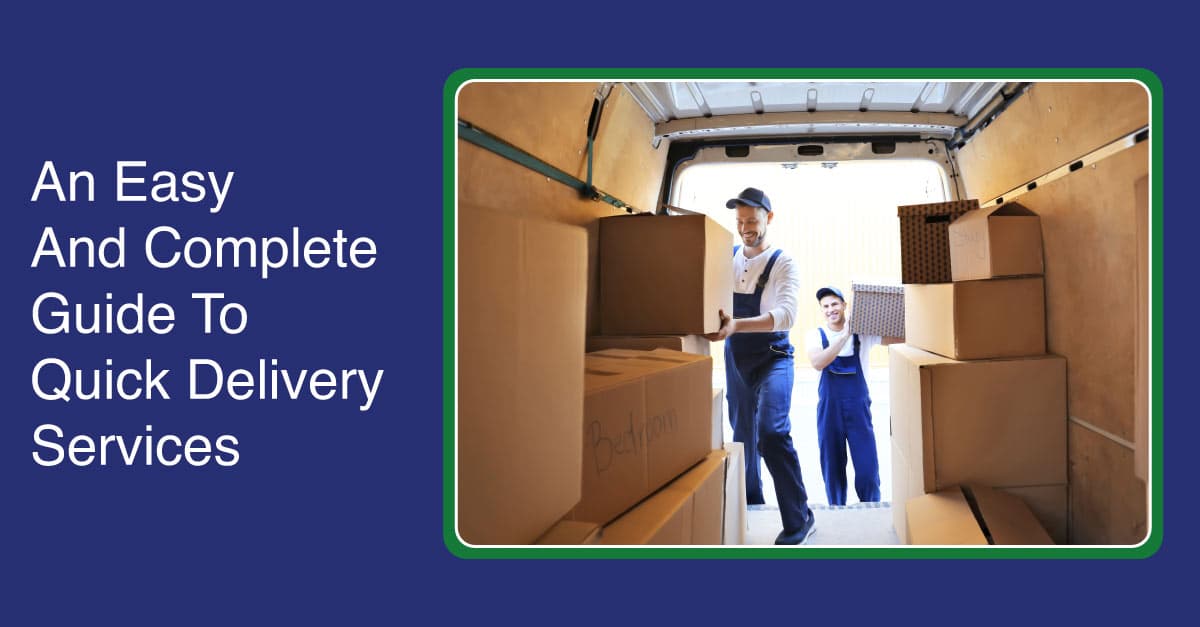
Last-mile delivery is the final stage of transporting goods from a warehouse, distribution centre, or local hub to their intended destination. It connects businesses with customers or retail outlets, influencing delivery speed, transportation costs, product quality, and customer satisfaction. Efficient last-mile operations depend on route planning, reliable vehicles, tracking, and timely coordination.
Last-mile delivery plays a vital role in keeping India’s supply chains moving, particularly for food brands, restaurants, retailers, and growing businesses. Understanding how the process works helps businesses reduce delivery inefficiencies and maintain product quality. At JustDeliveries, we help businesses manage distribution through technology-enabled logistics and temperature-controlled transport. Here is how to make every delivery more efficient.
What Is Last Mile Delivery in Logistics?
What is last mile delivery in logistics? It is the final movement of goods from a distribution point to the location where they are received, whether that is a customer’s home, a retail store, a restaurant, or another business facility.
Although it represents the last stage of transportation, it can involve complex coordination between warehouses, drivers, delivery schedules, inventory systems, and recipients. A delay at this stage can disrupt operations even when every earlier supply chain activity has gone smoothly.
For Indian businesses, last-mile delivery is especially important when managing high order volumes, congested urban routes, scheduled replenishment, and temperature-sensitive products.
Why Is Last-Mile Delivery Important?
Effective last-mile operations help businesses:
- Control delivery costs: Better route planning and vehicle utilisation can reduce unnecessary travel.
- Improve reliability: Coordinated schedules help goods reach their destinations when expected.
- Protect product quality: Appropriate handling and temperature control support the safe movement of perishable goods.
- Strengthen customer relationships: Consistent delivery performance builds trust among customers and business partners.
How Does Logistics Delivery Work?
Understanding how logistics delivery works helps businesses identify delays and improve coordination across the supply chain. A typical delivery process includes these stages:
- Order processing: The business confirms the order, checks inventory, and prepares the shipment.
- Warehousing and dispatch: Goods are picked, packed, sorted, and assigned to an appropriate vehicle.
- Route planning: Delivery routes are planned around locations, traffic conditions, delivery windows, and vehicle capacity.
- Transportation and tracking: Shipments move towards their destinations, with tracking systems providing operational visibility where available.
- Delivery confirmation: The recipient accepts the goods, and proof of delivery is recorded.
- Exception handling: Missed deliveries, damaged goods, or returns are documented and addressed.
For example, a food manufacturer supplying several restaurants needs more than a vehicle and a driver. It needs coordinated dispatch schedules, suitable transport, accurate delivery records, and temperature controls wherever the products require them.
What Are the Types of Delivery Logistics in India?
The types of delivery logistics in India vary according to the product, destination, delivery timeline, and customer requirements. Businesses should select a model that fits their operational needs rather than relying on a one-size-fits-all approach.
1. B2B Delivery Logistics
Business-to-business logistics involves moving goods between manufacturers, warehouses, distributors, retailers, restaurants, and other commercial locations. It often requires planned delivery schedules, bulk shipments, and recurring distribution routes.
2. B2C and Ecommerce Delivery
Business-to-consumer delivery moves products directly to individual customers. Accurate addresses, delivery notifications, tracking, and convenient delivery windows are important to the customer experience.
3. Same-Day and Scheduled Delivery
Same-day delivery serves urgent orders that need to arrive within the same day. Scheduled delivery follows agreed time slots or recurring timetables, making it useful for business replenishment and planned distribution.
4. Intra-City and Inter-City Logistics
Intra-city delivery connects destinations within the same city, while inter-city logistics moves shipments between cities. Each requires different route planning, transit schedules, vehicle allocation, and coordination.
5. Temperature-Controlled and Cold-Chain Delivery
Temperature-controlled logistics supports products that must remain within specified temperature ranges during transportation. This is particularly relevant to food, beverages, dairy products, frozen goods, and other temperature-sensitive shipments.
6. Reverse Logistics
Reverse logistics manages goods moving back from customers or business locations to a warehouse, supplier, or distribution centre. Common reasons include returns, damaged products, rejected shipments, and reusable packaging.
What Is Delivery Management in the Supply Chain?
Delivery management in the supply chain involves coordinating shipments, vehicles, delivery personnel, routes, schedules, tracking, and delivery records. Its purpose is to ensure that the right goods reach the right destination under the required conditions.
Effective delivery management typically includes:
- Route and vehicle planning: Matching delivery requirements with suitable routes and transport capacity.
- Real-time visibility: Monitoring shipment progress and identifying potential delays.
- Proof of delivery: Maintaining records of completed deliveries and exceptions.
- Performance measurement: Tracking on-time delivery, first-attempt success, delivery costs, and failed shipments.
- Product-condition monitoring: Recording temperature information when goods require controlled transport conditions.
These practices are particularly valuable for businesses managing daily deliveries to multiple outlets. Better coordination allows teams to identify recurring problems, improve resource allocation, and make more informed operational decisions.
What Are the Biggest Last-Mile Delivery Challenges in India?
Indian delivery operations face several practical challenges that can affect cost, speed, and reliability.
- Traffic congestion: Unpredictable road conditions can disrupt delivery schedules, particularly in busy urban areas.
- Rising operating costs: Fuel, labour, vehicle maintenance, and inefficient routes can increase transportation expenses.
- Failed deliveries: Incorrect addresses, unavailable recipients, and poor communication can lead to repeated delivery attempts.
- Temperature management: Perishable products may deteriorate if the required storage and transport conditions are not maintained.
- Returns and delivery exceptions: Rejected orders, damaged goods, and incomplete documentation create additional handling requirements.
- Demand fluctuations: Seasonal peaks and sudden changes in order volumes can put pressure on vehicles, warehouse capacity, and delivery teams.
For food and beverage businesses, these challenges can affect more than delivery timelines. Inadequate temperature control or poor handling may compromise product quality and create avoidable waste.
How Can Businesses Improve Last-Mile Delivery Efficiency?
Businesses can improve delivery efficiency by addressing the causes of delays and unnecessary costs instead of focusing solely on faster transportation.
Practical strategies include:
- Optimise delivery routes: Group nearby destinations and consider traffic, delivery windows, and vehicle restrictions.
- Improve vehicle utilisation: Match vehicle capacity to shipment volumes and delivery requirements.
- Use tracking technology: Monitor shipments and identify delays before they become larger operational problems.
- Coordinate delivery schedules: Align dispatch times with warehouse readiness and recipient availability.
- Measure key performance indicators: Review delivery costs, on-time performance, failed deliveries, and vehicle utilisation regularly.
- Choose the right logistics partner: Assess geographic coverage, service reliability, temperature-control capabilities, reporting, and scalability.
For temperature-sensitive goods, businesses should also verify that vehicles, handling procedures, and monitoring systems meet the products’ required conditions.
What Does Last-Mile Logistics Mean for Food Businesses in India?
For food businesses, last-mile logistics means delivering products to restaurants, retail outlets, commercial kitchens, and other destinations while meeting their timing and handling requirements.
A reliable distribution process helps businesses coordinate replenishment, maintain product quality, and serve multiple locations without unnecessary disruption.
Key considerations include:
- Selecting suitable vehicles for chilled, frozen, or ambient products.
- Planning delivery schedules around outlet operating hours and receiving capacity.
- Monitoring temperature where required by the product and food-safety procedures.
- Maintaining shipment documentation and delivery confirmation.
- Coordinating warehouse dispatches with destination requirements.
JustDeliveries supports business distribution through logistics services that include dedicated vehicles, temperature-controlled transportation, cold storage, and technology-enabled operational visibility, according to the service requirements involved.
For businesses expanding across multiple locations, a well-planned distribution model can help make daily operations more consistent and manageable.
Improve Your Distribution Operations with JustDeliveries
Efficient last-mile delivery requires more than moving goods from one location to another. It depends on coordinated planning, reliable transportation, clear delivery records, and the right infrastructure for each product.
At JustDeliveries, we support businesses, particularly food and beverage brands, with B2B logistics solutions that include dedicated vehicles, temperature-controlled transportation, cold storage, and technology-enabled tracking capabilities.
Looking to streamline your business deliveries? Connect with JustDeliveries to discuss your distribution volumes, delivery schedules, and transportation requirements.
Explore our services: https://justdeliveries.co.in/
Frequently Asked Questions
Q1. How Does Last-Mile Delivery Work?
Last-mile delivery begins when goods leave a warehouse, distribution centre, or local hub for their final destination. The process involves route planning, transportation, tracking where available, delivery confirmation, and handling any exceptions.
Q2. Can Last-Mile Delivery Reduce Business Costs?
Yes. Route optimisation, better vehicle utilisation, fewer failed deliveries, and improved scheduling can reduce avoidable transportation and handling costs. Actual savings depend on the business’s delivery volumes, locations, and operating model.
Q3. Is Last-Mile Delivery the Same as Courier Delivery?
No. Courier delivery is one form of last-mile delivery. Last-mile logistics also includes B2B distribution, scheduled replenishment, retail deliveries, and temperature-controlled transportation to commercial destinations.
Q4. Will Technology Improve Last-Mile Delivery Efficiency?
Technology can improve delivery visibility, route planning, scheduling, and performance monitoring. Its effectiveness depends on data quality, system integration, operational processes, and how consistently teams use the available tools.
Q5. What Are the Main Types of Delivery Logistics in India?
Common types include B2B distribution, B2C and ecommerce delivery, same-day delivery, scheduled delivery, intra-city and inter-city transportation, temperature-controlled logistics, and reverse logistics.
Q6. What Is the Difference Between Mid-Mile and Last-Mile Delivery?
Mid-mile delivery generally moves goods between facilities, warehouses, or distribution hubs. Last-mile delivery covers the final transportation stage to the intended recipient or delivery location.
Q7. Why Is Last-Mile Delivery Important for Food Businesses?
It helps food businesses deliver products on schedule while maintaining appropriate handling and temperature conditions. Effective planning can reduce avoidable delays, support product quality, and improve replenishment across multiple outlets.
Q8. How Can Businesses Choose a Last-Mile Logistics Partner?
Businesses should evaluate delivery coverage, reliability, vehicle suitability, tracking capabilities, temperature-control procedures where needed, reporting, scalability, and pricing transparency. The right partner should align with the business’s actual distribution requirements.