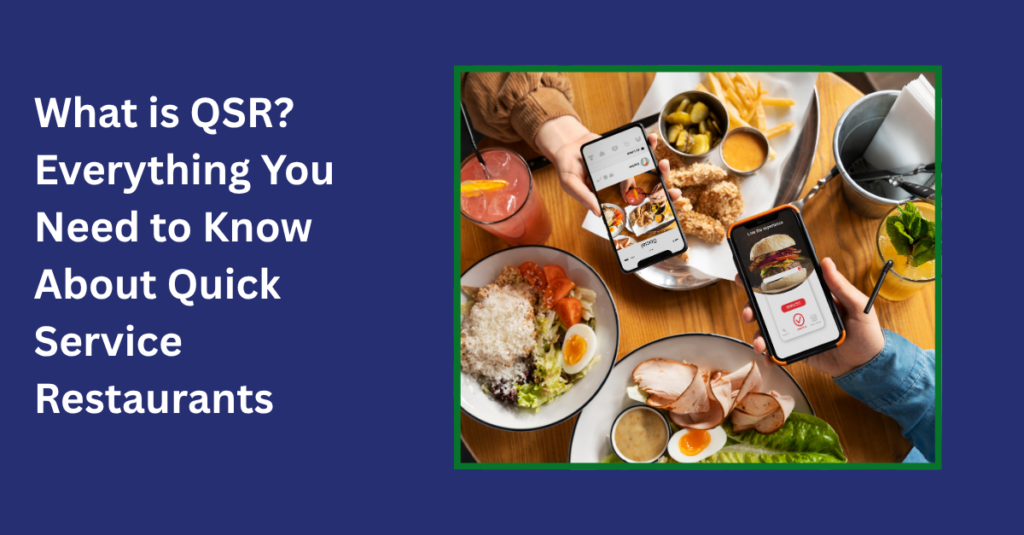
What is QSR? A QSR (Quick Service Restaurant) is a food service business designed to serve customers quickly through standardized menus, efficient preparation, and fast ordering systems. From dine-in and takeaway to delivery and drive-through, QSRs prioritize speed, consistency, and convenience while relying on technology and reliable supply chains to maintain quality at scale.
If you’ve ever wondered what is QSR, the answer is simple: it refers to a Quick Service Restaurant that delivers food quickly without compromising consistency. QSRs have transformed the way people dine by offering speed, affordability, and convenience. Behind every successful QSR is an efficient logistics network that ensures fresh ingredients reach every outlet on time. Brands like JustDeliveries help support this ecosystem with specialized food logistics, enabling restaurants to focus on serving customers while their supply chain runs seamlessly.
What is QSR?
The term what is QSR is one of the most searched questions in the food service industry. QSR stands for Quick Service Restaurant, a restaurant model designed to prepare and serve food in the shortest possible time using standardized recipes and streamlined operations.
Unlike traditional restaurants where meals are prepared after ordering and customers typically enjoy a longer dining experience, QSRs focus on fast preparation, simplified menus, and efficient service. Orders may be placed at a counter, self-service kiosk, mobile app, or through online food delivery platforms.
Today, QSRs are no longer limited to burgers and fries. They include cafés, pizza chains, sandwich outlets, healthy meal brands, dessert shops, and cloud kitchens serving customers across multiple channels.
What is QSR Restaurant?
A common variation of the search is what is QSR restaurant. Simply put, a QSR restaurant is any establishment built around speed, operational efficiency, and standardized food preparation.
Most QSR restaurants share these characteristics:
- Limited yet carefully curated menus
- Fast cooking and assembly processes
- Standardized recipes across locations
- Affordable pricing
- Takeaway and delivery-friendly packaging
- Technology-enabled ordering and payments
This operating model allows businesses to serve hundreds of customers daily while maintaining consistency across every outlet.
Key Characteristics of a Quick Service Restaurant
Successful QSR brands follow a consistent operating framework.
Fast Food Preparation
Ingredients are pre-portioned, recipes are standardized, and kitchen workflows are optimized to reduce preparation time.
Limited Menu
Offering fewer items allows kitchens to operate efficiently while maintaining quality.
Standardized Recipes
Customers expect the same taste regardless of location. Standard operating procedures ensure every meal meets brand standards.
Affordable Pricing
Efficient operations help QSRs keep costs under control, making meals accessible to a wider audience.
Digital Ordering
Modern QSRs use mobile apps, QR-code menus, kiosks, and online ordering platforms to improve customer convenience.
Delivery-Centric Operations
Food delivery has become an essential revenue channel, with many QSR brands serving customers through both physical outlets and cloud kitchens.
Types of QSR Restaurants
The QSR industry has evolved far beyond traditional fast-food chains. Popular categories include:
- Burger restaurants
- Pizza chains
- Coffee and beverage cafés
- Sandwich and wrap outlets
- Fried chicken brands
- Ice cream and dessert chains
- Healthy bowl and salad concepts
- Cloud kitchen brands operating exclusively through delivery apps
Each category follows the same principles of speed, consistency, and operational efficiency.
Popular Examples of QSR Restaurants
Globally recognized QSR brands include McDonald’s, KFC, Domino’s, Subway, Starbucks, Burger King, and Pizza Hut.
India has also witnessed tremendous growth with brands such as Haldiram’s, Wow! Momo, Faasos, Behrouz Biryani, and several regional chains expanding rapidly through delivery-first models.
Their success depends not only on quality food but also on technology, supply chain management, and efficient logistics.
How Does a QSR Restaurant Work?
A typical QSR follows an organized operational flow:
Suppliers → Central Kitchen → Ingredient Processing → Temperature-Controlled Storage → Distribution → Restaurant Outlet → Customer
Every stage plays an important role in ensuring consistency.
Fresh ingredients are sourced from approved suppliers before being processed in central kitchens or commissaries. These ingredients are then transported under controlled temperatures to individual outlets, where trained staff prepare meals using standardized recipes.
For businesses operating multiple outlets, maintaining this flow every day requires dependable third party logistics hyderabad partners who can deliver fresh, chilled, and frozen products on schedule.
QSR vs Fast Food Restaurant
Although the terms are often used interchangeably, they are not exactly the same.
Fast-food restaurants primarily serve ready-to-eat meals quickly. QSRs, however, represent a broader category that includes cafés, bakery chains, dessert brands, smoothie outlets, and healthy food concepts.
Modern QSR businesses also emphasize digital ordering, omnichannel delivery, customer analytics, loyalty programs, and operational technology beyond traditional fast-food models.
Why Are QSRs Growing So Fast?
Several factors continue to drive the rapid growth of the QSR industry. This growth mirrors trends seen across the broader food-tech space, where understanding what is quick commerce helps explain shifting customer expectations around speed.
Urban lifestyles have increased demand for convenient dining options. Mobile ordering apps, much like quick commerce apps, have made food more accessible than ever, while digital payments have simplified transactions.
Cloud kitchens have further accelerated growth by allowing brands to expand into new markets without investing heavily in dine-in infrastructure, a strategy many leading quick commerce companies in india have also adopted.
Quick commerce has also reshaped customer expectations. Consumers now expect groceries, ready-to-cook ingredients, and fresh food to move through the supply chain within hours rather than days. To support this ecosystem, JustDeliveries powers cold-chain logistics for Swiggy Instamart, Zepto, Blinkit, Amazon, JioMart, and BigBasket by managing hub-to-hub and dark store deliveries with real-time tracking and temperature-controlled transportation. This reliable movement of food products helps q commerce delivery platforms maintain freshness while ensuring rapid replenishment.
Technology Behind Modern QSR Operations
Technology has become the backbone of every successful QSR.
Common systems include:
- Point of Sale (POS)
- Kitchen Display Systems (KDS)
- Inventory Management Software
- Mobile Ordering Apps
- Customer Loyalty Platforms
- AI-based Demand Forecasting
- QR Code Ordering
- Delivery Management Systems
Efficient quick commerce logistics india technology is equally important. Mansi Mahansaria, writing on behalf of JustDeliveries, highlights that visibility across the supply chain is becoming just as valuable as kitchen efficiency.
To help food businesses achieve this, JustDeliveries offers its HQ App, a centralized dashboard that enables F&B brands to monitor live vehicle movement, temperature compliance, service-level agreements (SLAs), billing, and AI-driven performance insights in real time. This visibility helps operators make faster decisions while improving operational consistency.
Why Logistics Are Critical for Every QSR
As brands expand into multiple cities, reliable intra city logistics india becomes one of the biggest operational challenges.
Restaurants need daily replenishment of fresh produce, dairy products, frozen foods, sauces, meats, and packaged ingredients without interruptions.
Temperature fluctuations during transportation can affect product quality, increase wastage, and create food safety risks.
Specialized cold-chain logistics providers help solve these challenges through:
- Temperature-controlled transportation
- Scheduled deliveries
- Warehouse management
- Inventory visibility
- Route optimization
- Real-time shipment tracking
Reliable logistics allow restaurants to maintain consistent quality while reducing operational complexity.
Common Challenges Faced by QSR Restaurants
Even successful QSR brands encounter operational hurdles.
These include:
- Maintaining food consistency across outlets
- Managing inventory efficiently
- Reducing food wastage
- Handling fluctuating customer demand
- Meeting delivery timelines
- Ensuring food safety compliance
- Scaling operations across multiple locations
Addressing these challenges requires strong collaboration between restaurant teams, technology providers, and logistics partners.
The Future of QSR
The future of the QSR industry will be shaped by automation, AI, sustainability, and faster supply chains.
AI-powered forecasting will help restaurants optimize inventory, while robotics and smart kitchen equipment will improve efficiency. Electric delivery fleets, sustainable packaging, and predictive analytics are also expected to become industry standards.
According to Mansi Mahansaria, businesses that combine operational excellence with reliable cold-chain logistics will be better positioned to meet rising customer expectations in an increasingly competitive market.
Scale Your QSR with JustDeliveries
Building a successful QSR requires much more than a great menu—it demands a dependable supply chain that keeps ingredients fresh, outlets stocked, and deliveries on schedule. JustDeliveries specializes in technology-enabled B2B food logistics, supporting QSR brands, cloud kitchens, cafés, and restaurant chains with temperature-controlled transportation, warehousing, and real-time visibility. Whether you’re expanding across cities or supplying quick commerce platforms, JustDeliveries helps streamline operations so you can focus on delivering exceptional customer experiences.
Frequently Asked Questions
Q1. What is QSR?
A QSR is a Quick Service Restaurant that focuses on serving food quickly using standardized recipes, efficient kitchen operations, and technology-driven ordering systems.
Q2. What is QSR restaurant?
A QSR restaurant is a food outlet designed for fast service, affordable pricing, and consistent food quality across dine-in, takeaway, and delivery channels.
Q3. How does a QSR restaurant operate?
QSRs source ingredients from approved suppliers, prepare food using standardized processes, and rely on technology and efficient logistics to deliver consistent customer experiences.
Q4. How is a QSR different from a traditional restaurant?
Traditional restaurants typically offer larger menus and longer dining experiences, while QSRs prioritize speed, operational efficiency, and standardized food preparation.
Q5. Can cloud kitchens be considered QSRs?
Yes. Many cloud kitchens operate using the same principles as QSRs, focusing on standardized menus, quick preparation, and delivery-first operations.
Q6. Why is cold-chain logistics important for QSRs?
Cold-chain logistics preserve ingredient freshness, maintain food safety, reduce spoilage, and ensure restaurants receive products at the correct temperature.
Q7. Is technology essential for modern QSR businesses?
Yes. Technologies such as POS systems, inventory management software, AI forecasting, delivery platforms, and real-time logistics tracking help improve efficiency and customer satisfaction.
Q8. Will the QSR industry continue to grow?
Yes. Rising demand for convenience, digital ordering, quick commerce, and delivery-focused dining models is expected to drive continued growth in the QSR industry.

Mansi Mahansaria
I’m Mansi Mahansaria, CEO and Founder of JustDeliveries, a B2B logistics company specializing in the food and beverage sector. With a background in Chemical Technology (ICT Mumbai), an MBA (FMS Delhi), and experience at IDFC Private Equity and Tata Group, I’ve built a plug-and-play logistics network helping F&B brands scale efficiently. I also share insights on entrepreneurship and logistics at industry and academic events.