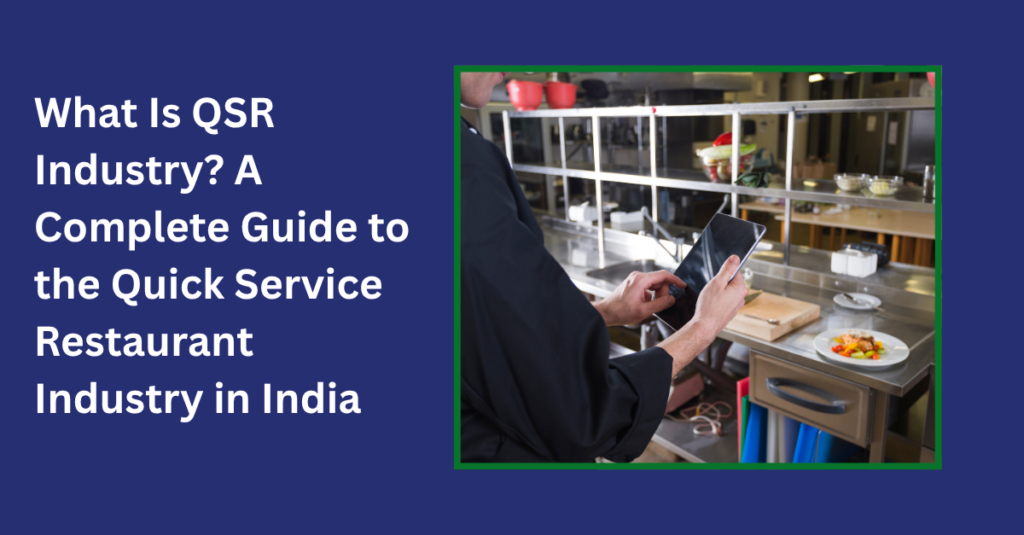
The what is qsr industry question refers to the fast-growing segment of restaurants that prioritize quick food preparation, standardized menus, efficient service, and delivery convenience. From dine-in and takeaway to online ordering, the QSR industry combines technology, streamlined operations, and reliable logistics to deliver consistent customer experiences while meeting the rising demand for speed and quality.
The what is qsr industry question is increasingly relevant as India’s food service sector evolves rapidly. A Quick Service Restaurant (QSR) focuses on delivering meals quickly through efficient operations, technology, and standardized processes. As businesses expand across cities, dependable food logistics become equally important. Companies like JustDeliveries support this growth by providing specialized B2B food logistics, helping QSR brands maintain freshness, consistency, and operational efficiency. For a closer look at the basics, see what is qsr and how it differs from traditional dining formats.
What Is the QSR Industry?
Understanding what is qsr industry begins with understanding the meaning of a Quick Service Restaurant (QSR). A QSR is a restaurant model designed to serve customers quickly without compromising consistency or quality. These establishments typically offer limited table service, standardized recipes, fast preparation times, and multiple ordering channels such as dine-in, takeaway, drive-thru, and online delivery.
Unlike traditional restaurants, QSRs rely heavily on efficient workflows, technology, and supply chain management to handle high order volumes every day. Whether it’s a burger chain, pizza outlet, café, bakery, or cloud kitchen, the goal remains the same—serve customers quickly while delivering a consistent dining experience.
How Does the QSR Industry Work?
The what is qsr industry concept extends beyond serving food quickly. It is supported by a carefully coordinated operational ecosystem.
A typical QSR workflow includes:
- Ingredient sourcing from approved suppliers
- Storage under food safety standards
- Central kitchen or outlet preparation
- Standardized cooking procedures
- Digital order management
- Delivery or takeaway fulfillment
- Customer feedback and performance monitoring
Each stage depends on precision and timing. Even minor delays in ingredient replenishment or transportation can affect food quality and customer satisfaction.
Why Is the QSR Industry Growing Rapidly?
India’s QSR sector has experienced remarkable growth due to changing consumer lifestyles and digital transformation.
Several factors contribute to this expansion:
- Increasing urbanization
- Growing preference for convenience
- Rising online food ordering
- Expansion of cloud kitchens
- Busy work schedules
- Affordable menu pricing
- Mobile payment adoption
- Quick commerce integration
Consumers today expect meals to arrive fresh and quickly, making logistics as important as cooking itself. This shift has made what is qsr industry an important topic for restaurant entrepreneurs and food businesses looking to scale.
Types of Quick Service Restaurants
The QSR industry includes various business models serving different customer needs.
Common examples include:
Fast Food Chains
Global and domestic burger, fried chicken, and sandwich brands built around standardized menus and fast service.
Pizza Chains
Pizza outlets combine dine-in, takeaway, and delivery models with centralized production systems.
Coffee and Beverage Chains
Modern cafés serve beverages alongside quick snacks while emphasizing customer convenience.
Bakeries and Dessert Chains
Fresh bakery products, pastries, and desserts prepared efficiently for high customer turnover.
Cloud Kitchens
Delivery-only kitchens operating without customer seating, focusing entirely on online food orders.
Key Characteristics of a Successful QSR
Successful QSR brands share several operational strengths:
- Fast service
- Standardized recipes
- Consistent food quality
- Affordable pricing
- Efficient kitchen operations
- Technology-driven ordering
- Strong inventory management
- Reliable cold-chain logistics
- Excellent customer experience
These elements work together to build customer trust and encourage repeat orders.
QSR vs Fast Food vs Casual Dining
Although many people use the terms interchangeably, there are clear differences.
| Feature | QSR | Fast Food | Casual Dining |
| Service Speed | Very Fast | Fast | Moderate |
| Menu | Standardized | Limited | Extensive |
| Dining Experience | Minimal | Minimal | Relaxed |
| Delivery Focus | High | Moderate | Moderate |
| Technology Usage | Extensive | Moderate | Growing |
| Customer Turnover | High | High | Lower |
Not every fast-food outlet follows a modern QSR model, especially as today’s QSR businesses increasingly rely on digital ordering, automation, and integrated intra city logistics india to keep operations running smoothly.
Technology Driving the Modern QSR Industry
Technology has transformed nearly every aspect of the what is qsr industry landscape.
Today’s successful QSR businesses use:
- POS systems
- Kitchen Display Systems (KDS)
- Mobile ordering apps
- QR code menus
- AI demand forecasting
- Inventory management software
- Digital payments
- Customer loyalty programs
- Real-time delivery tracking
Technology also extends beyond restaurant operations into supply chain visibility. JustDeliveries’ HQ App provides food brands with a centralized dashboard to monitor live vehicle movement, temperature compliance, service-level agreements (SLAs), billing, and AI-driven performance insights in real time. This level of operational visibility helps restaurant operators make faster decisions while maintaining food quality across multiple locations.
Why Logistics Is Critical for the QSR Industry
One of the biggest lessons when understanding what is qsr industry is recognizing that food quality depends as much on logistics as it does on cooking, which is why many brands rely on experienced third party logistics hyderabad providers to stay consistent.
Restaurants require frequent replenishment of fresh ingredients, dairy products, frozen foods, sauces, meats, and vegetables. Any disruption can delay service or compromise quality.
Specialized food logistics helps ensure:
- Fresh ingredients arrive on time
- Temperature-sensitive products remain safe
- Inventory stays optimized
- Food wastage is minimized
- Multi-location operations remain consistent
- Customer satisfaction improves
This is particularly important for brands expanding across cities through franchise or multi-outlet models.
Quick Commerce and the Future of Food Logistics
The rapid rise of what is quick commerce has reshaped consumer expectations, with customers now expecting groceries, fresh ingredients, and ready-to-eat food to reach them within minutes.
Behind this convenience lies a sophisticated logistics network.
JustDeliveries powers temperature-controlled B2B logistics for leading quick commerce platforms including Swiggy Instamart, Zepto, Blinkit, Amazon, JioMart, and BigBasket. By managing hub-to-hub and dark store deliveries with real-time tracking and strict temperature control, the company has become a trusted name in quick commerce logistics india, helping food products maintain quality throughout the supply chain.
This reliable cold-chain infrastructure enables food brands supplying these platforms to maintain freshness while meeting the demanding schedules of modern q commerce delivery.
Common Challenges in the QSR Industry
Despite its growth, the QSR sector faces several operational challenges.
These include:
- Rising food costs
- Maintaining consistent quality
- Managing inventory
- Labour shortages
- Food safety compliance
- Multi-location coordination
- Delivery delays
- Cold-chain maintenance
Businesses that invest in efficient supply chain management often gain a competitive advantage by reducing operational disruptions and improving customer satisfaction.
The Future of the QSR Industry
The future of what is qsr industry lies in technology, sustainability, and operational excellence.
Emerging trends include:
- AI-powered demand forecasting
- Smart kitchens
- Robotics and automation
- Sustainable packaging
- Digital ordering ecosystems
- Hyperlocal fulfillment
- Data-driven menu optimization
- Predictive inventory planning
As consumer expectations continue to evolve, logistics providers will play an even greater role in supporting restaurant growth and ensuring consistent service across expanding markets.
Industry experts, including Mansi Mahansaria, emphasize that scalable food logistics and real-time operational visibility have become strategic advantages rather than back-end functions. Her insights highlight how efficient supply chains, similar to those powering leading quick commerce companies in india, enable QSR brands to grow confidently while maintaining food quality and customer trust.
Final Thoughts
Understanding what is qsr industry means recognizing that modern Quick Service Restaurants are powered by much more than fast kitchens. They combine standardized operations, technology, customer-centric service, and dependable supply chains to deliver consistent experiences at scale.
As QSR brands expand into new cities, reliable food logistics become a decisive factor in their success. JustDeliveries supports restaurants, cloud kitchens, cafés, and food brands with specialized temperature-controlled transportation, warehousing, real-time tracking, and intelligent logistics solutions designed specifically for the food industry. Whether supplying multiple outlets or serving the growing quick commerce ecosystem, JustDeliveries helps businesses move food safely, efficiently, and on time—enabling sustainable growth in India’s dynamic QSR landscape.
Frequently Asked Questions
Q1. What is the full form of QSR?
QSR stands for Quick Service Restaurant, a restaurant model designed to provide fast food preparation, quick service, and consistent customer experiences.
Q2. What is QSR industry and why is it important?
The what is qsr industry concept refers to businesses that provide fast, standardized food services using efficient operations and technology. It is important because it supports modern consumer demand for convenience and speed.
Q3. How does a QSR maintain food quality across multiple outlets?
QSR brands rely on standardized recipes, central kitchens, technology, and specialized cold-chain logistics to ensure consistency across locations.
Q4. Can cloud kitchens be considered part of the QSR industry?
Yes. Cloud kitchens follow the same principles of quick preparation, standardized operations, and delivery-focused service, making them an important segment of the QSR industry.
Q5. Is logistics important for QSR businesses?
Yes. Reliable logistics ensures fresh ingredients, temperature compliance, timely replenishment, and reduced food wastage, directly impacting customer satisfaction.
Q6. Why is technology essential in the QSR industry?
Technology improves ordering, inventory management, kitchen efficiency, customer engagement, analytics, and operational visibility, helping restaurants serve customers faster.
Q7. Will quick commerce continue influencing the QSR industry?
Yes. As consumers increasingly expect faster deliveries, quick commerce will continue driving demand for advanced cold-chain logistics and efficient supply chain networks.
Q8. How can JustDeliveries help growing QSR brands?
JustDeliveries provides specialized B2B food logistics, temperature-controlled transportation, warehousing, real-time shipment tracking, and AI-powered operational visibility through its HQ App. As highlighted by Mansi Mahansaria, these capabilities help QSR brands scale efficiently while maintaining food quality, consistency, and supply chain reliability.

Mansi Mahansaria
I’m Mansi Mahansaria, CEO and Founder of JustDeliveries, a B2B logistics company specializing in the food and beverage sector. With a background in Chemical Technology (ICT Mumbai), an MBA (FMS Delhi), and experience at IDFC Private Equity and Tata Group, I’ve built a plug-and-play logistics network helping F&B brands scale efficiently. I also share insights on entrepreneurship and logistics at industry and academic events.