
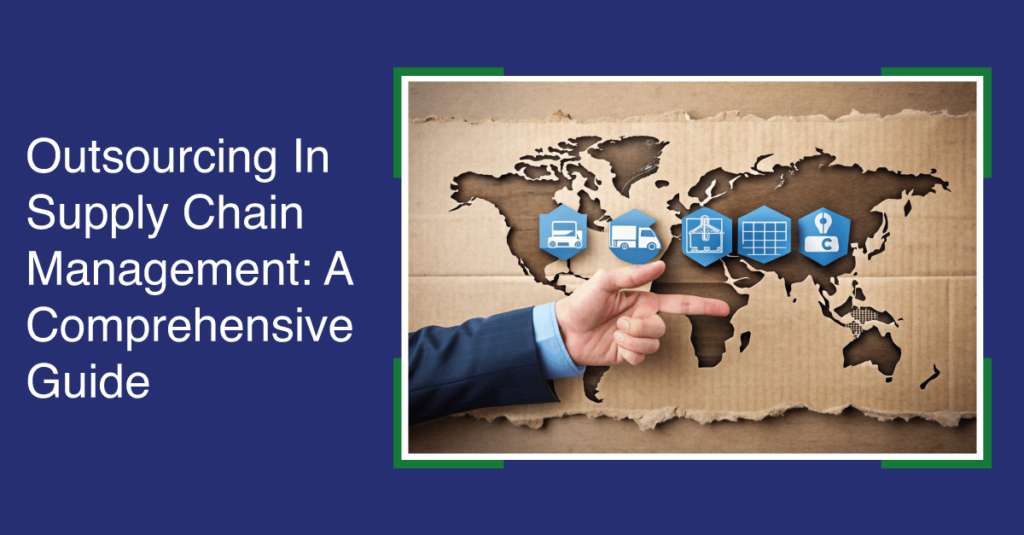
Outsourcing supply chain operations involves delegating logistics, warehousing, procurement, transportation, inventory management, or planning activities to specialized third-party providers. Businesses use outsourcing supply chain services to reduce operational costs, improve scalability, gain access to industry expertise, and enhance supply chain efficiency while focusing on their core business functions. Understanding what is supply chain management helps businesses identify which functions are best suited for outsourcing early in the process.
Outsourcing supply chain operations helps businesses improve efficiency, reduce costs, and gain access to specialized logistics expertise. At JustDeliveries, we have seen how logistics and supply chain management outsourcing enables companies, especially those handling perishable goods, to streamline operations, improve delivery performance, and focus on growth without the burden of managing every supply chain function internally. This is particularly valuable for businesses relying on frozen food transportation india to preserve product quality across long distances.
Understanding Outsourcing Supply Chain Operations
Since the Industrial Revolution, businesses have continuously looked for ways to improve operational efficiency and profitability. Today, outsourcing supply chain operations has become a strategic approach that allows organizations to delegate non-core supply chain activities to experienced third-party providers. A clear grasp of what is logistics and supply chain management makes it easier for organizations to decide which activities to hand over to trusted partners.
Whether it is procurement, warehousing, transportation, inventory management, or last-mile delivery, outsourcing supply chain services enables businesses to leverage specialized expertise, advanced technologies, and established logistics networks without significant capital investment. Many businesses also explore what is the difference between logistics and supply chain management to better define the scope of work they want to outsource.
For food brands, restaurant chains, cloud kitchens, and businesses handling temperature-sensitive products, logistics and supply chain management outsourcing can provide access to cold storage facilities, refrigerated transportation, inventory visibility, and regulatory compliance support. This is especially relevant for the ice cream supply chain india, where maintaining consistent cold temperatures throughout transit is essential.
Why Businesses Are Increasingly Outsourcing Supply Chain Services
Modern supply chains have become increasingly complex. Businesses must manage inventory levels, transportation networks, customer expectations, and regulatory requirements while maintaining profitability. Efficient movement of goods, including intra city logistics india, plays a key role in meeting these rising customer expectations.
By outsourcing supply chain operations, companies can:
- Improve operational efficiency
- Reduce logistics costs
- Access industry expertise
- Improve customer service levels
- Increase supply chain visibility
- Adapt quickly to changing market demands
- Reduce operational risks
Industry trends show that more businesses are partnering with third-party logistics services in India and specialized supply chain partners to enhance agility and competitiveness.
Benefits of Outsourcing Supply Chain Operations
1. Reduced Operational Costs
Managing logistics, warehousing, transportation, and inventory internally often requires substantial investment in infrastructure, technology, manpower, and maintenance. Partnering with established providers such as those offering third party logistics hyderabad allows businesses to tap into existing infrastructure instead of building it from scratch.
Outsourcing supply chain services helps businesses reduce these expenses by utilizing the existing infrastructure and expertise of specialized providers. The resulting cost savings can be redirected toward business expansion, product development, and customer acquisition.
2. Greater Focus on Core Business Activities
Supply chain operations demand significant time, resources, and management attention. By outsourcing supply chain planning and execution, businesses can focus on strategic priorities such as sales, marketing, product innovation, and customer experience.
This allows leadership teams to concentrate on activities that directly contribute to long-term growth.
3. Improved Scalability and Flexibility
One of the biggest advantages of logistics and supply chain management outsourcing is flexibility.
As customer demand fluctuates, businesses can quickly scale operations without investing in additional warehouses, vehicles, or workforce. Outsourcing partners are equipped to handle seasonal demand spikes, market expansion, and changing customer requirements. This flexibility is especially valuable for businesses relying on quick commerce logistics india to meet fast-changing delivery expectations.
4. Better Risk Management
Supply chains face various risks, including transportation delays, inventory losses, temperature excursions, and regulatory challenges.
Experienced outsourcing partners implement advanced monitoring systems, standardized operating procedures, and risk mitigation strategies to ensure smooth operations and product integrity.
For businesses dealing with perishable goods, cold chain specialists provide temperature-controlled storage and transportation that help maintain product quality throughout the supply chain.
5. Access to Advanced Technology and Expertise
Supply chain service providers invest heavily in logistics technologies such as:
- Real-time shipment tracking
- Inventory management systems
- Route optimization tools
- Warehouse management software
- Demand forecasting solutions
Businesses benefit from these capabilities without making large technology investments themselves.
6. Enhanced Demand and Supply Planning
Effective demand forecasting is critical for maintaining inventory balance and avoiding stockouts or overstocking.
Outsourcing supply chain planning allows businesses to leverage experienced professionals and advanced forecasting tools that improve demand prediction accuracy and inventory efficiency.
How to Choose the Right Partner for Outsourcing Supply Chain Operations
Assess Your Business Requirements
Start by identifying which supply chain functions can be outsourced effectively. Understanding your operational challenges and business objectives helps you select a partner that aligns with your requirements.
Evaluate Industry Expertise
Choose a provider with demonstrated experience in your industry. Their understanding of industry-specific challenges can significantly improve supply chain performance.
Consider Scalability
Your outsourcing partner should be capable of supporting future growth and adapting to changing business requirements.
Review Market Reputation
Client testimonials, case studies, industry certifications, and service history can provide valuable insights into a provider’s reliability and performance.
Assess Technology Capabilities
Modern supply chain operations depend on technology-driven visibility and reporting. Ensure your partner offers tracking, reporting, analytics, and inventory management solutions.
Prioritize Transparency and Communication
A successful outsourcing relationship requires regular communication, clear reporting, and complete operational transparency. Partners that provide real-time visibility help build trust and improve decision-making.
Why JustDeliveries for Outsourcing Supply Chain Operations?
JustDeliveries specializes in cold chain logistics and supply chain solutions designed for food businesses, restaurant chains, cloud kitchens, and FMCG brands. Our expertise in temperature-controlled transportation, warehousing, inventory management, and last-mile delivery helps businesses improve efficiency while maintaining product quality and compliance.
Conclusion
Outsourcing supply chain operations has evolved from a cost-saving initiative into a strategic business advantage. By leveraging outsourcing supply chain services, businesses can improve operational efficiency, reduce costs, manage risks, and focus on their core competencies.
Whether you require logistics support, cold chain infrastructure, warehousing, transportation, or outsourcing supply chain planning, partnering with an experienced provider can help create a more agile, scalable, and resilient supply chain for long-term growth.
Frequently Asked Questions
Q1. How does outsourcing supply chain operations reduce costs?
Outsourcing reduces expenses associated with warehousing, transportation, staffing, technology investments, and infrastructure maintenance by leveraging a specialized provider’s existing resources.
Q2. How do businesses choose the right supply chain outsourcing partner?
Businesses should evaluate industry expertise, service capabilities, technology infrastructure, scalability, market reputation, and transparency before selecting a partner.
Q3. Can logistics and supply chain management outsourcing improve delivery performance?
Yes. Experienced logistics providers use advanced routing, tracking, and inventory management systems that improve delivery speed, accuracy, and customer satisfaction.
Q4. Can small businesses benefit from outsourcing supply chain services?
Yes. Small businesses gain access to professional logistics infrastructure and expertise without making significant capital investments.
Q5. Is outsourcing supply chain planning suitable for growing businesses?
Yes. Outsourcing supply chain planning helps growing businesses improve demand forecasting, inventory management, and resource allocation while supporting expansion.
Q6. Is outsourcing supply chain operations safe for perishable products?
Yes. Specialized cold chain providers use temperature-controlled storage and transportation systems to maintain product quality and safety throughout the supply chain.
Q7. What supply chain functions can be outsourced?
Businesses can outsource transportation, warehousing, inventory management, procurement, order fulfillment, cold chain logistics, last-mile delivery, and supply chain planning.
Q8. Why is outsourcing supply chain operations becoming more popular?
Businesses are increasingly adopting outsourcing because it improves efficiency, reduces costs, enhances scalability, provides access to technology and expertise, and allows organizations to focus on their core competencies.

Mansi Mahansaria
I’m Mansi Mahansaria, CEO and Founder of JustDeliveries, a B2B logistics company specializing in the food and beverage sector. With a background in Chemical Technology (ICT Mumbai), an MBA (FMS Delhi), and experience at IDFC Private Equity and Tata Group, I’ve built a plug-and-play logistics network helping F&B brands scale efficiently. I also share insights on entrepreneurship and logistics at industry and academic events.




Great insights! Outsourcing supply chain management offers cost savings, flexibility, and improved risk management, helping businesses focus on core operations.
Great Article !!!!!
Outsourcing supply chain management reduces costs, increases flexibility, improves risk management, and supports core business focus.
Excellent blog! You’ve provided a thorough and insightful guide on outsourcing in supply chain management. The detailed analysis and practical examples make it a valuable resource for businesses looking to streamline operations. Great work!
Insightful read! Outsourcing explained well with real-world relevance—shows how strategic partnerships can boost supply chain efficiency and cost savings.