
Blog
Logistics Services for Quick Service Restaurants India: A Complete Guide
1 November 2026By Mansi Mahansaria
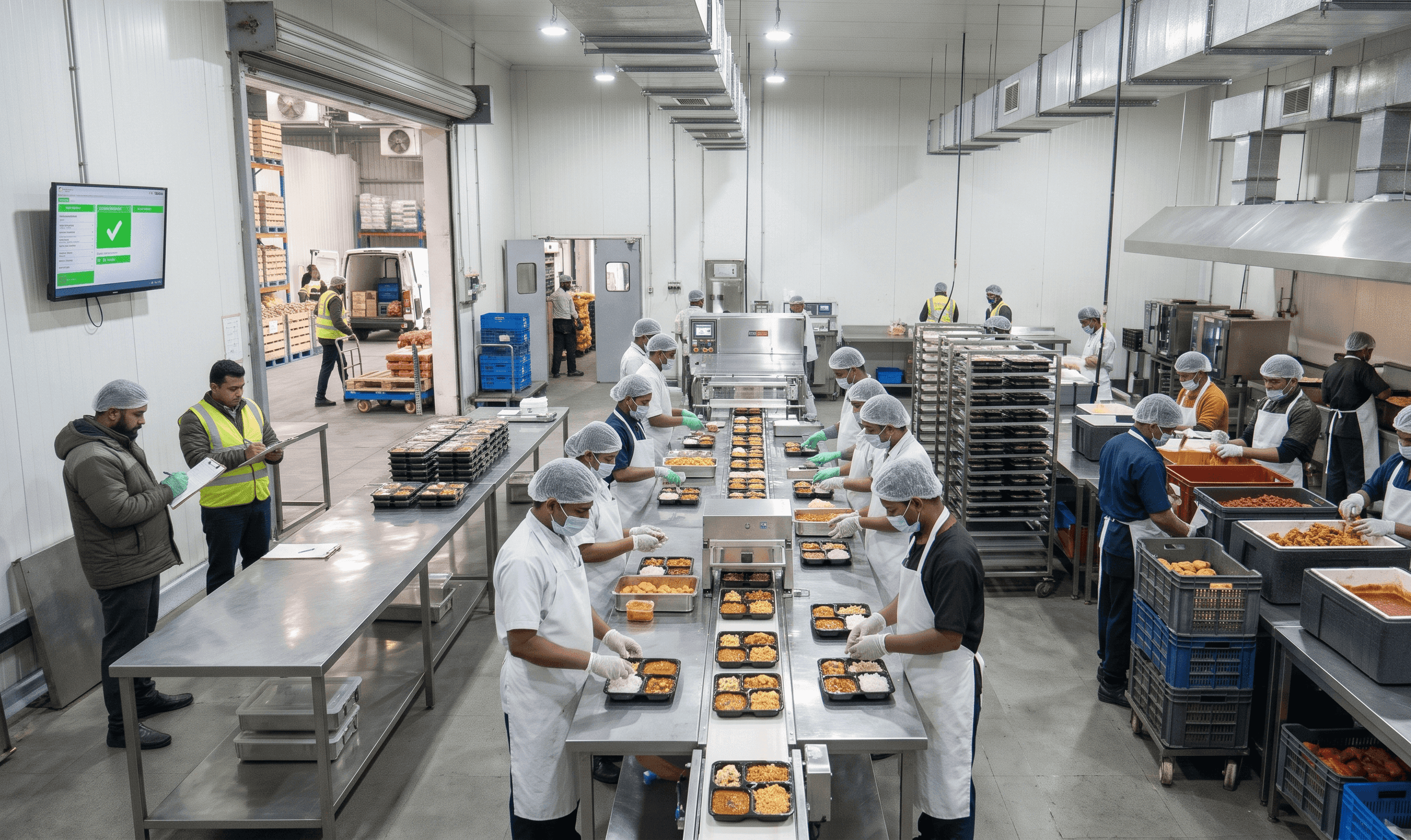
Logistics services for quick service restaurants India help QSR chains move ingredients, chilled and frozen foods, packaging, and other supplies between suppliers, warehouses, central kitchens, and outlets. These services include temperature-controlled transportation, cold storage, inventory management, scheduled distribution, and shipment tracking to support food quality, reliable replenishment, and multi-outlet operations.
Logistics services for quick service restaurants India help food businesses maintain consistent supplies, protect temperature-sensitive ingredients, and coordinate deliveries across multiple outlets. JustDeliveries provides specialised B2B food logistics, including dedicated transportation, refrigerated vehicles, cold storage, and technology-enabled shipment visibility. For growing QSR brands, the right logistics partner can make expansion more manageable. Discover how a structured supply chain can support your next stage of growth.
What Are Logistics Services for Quick Service Restaurants?
Quick Service Restaurants (QSRs) depend on a reliable supply chain to serve customers quickly without compromising consistency. From burger chains and pizza outlets to cafés and cloud kitchens, every location needs the right ingredients and supplies at the right time.
Specialised logistics services for quick service restaurants India connect suppliers, production facilities, distribution centres, and restaurant outlets through coordinated transportation and storage.
These services typically include:
- Temperature-controlled transportation: Moving chilled and frozen ingredients under suitable conditions.
- Cold storage and warehousing: Storing perishable inventory according to product requirements.
- Scheduled distribution: Delivering supplies to outlets within agreed time windows.
- Inventory coordination: Supporting stock visibility, replenishment planning, and order fulfilment.
- Shipment tracking: Providing delivery updates and documentation for operational monitoring.
Unlike customer-facing food delivery, QSR logistics focuses on business-to-business movements that keep restaurant operations running. A well-organised system helps brands coordinate procurement, maintain product quality, and manage growing distribution requirements.
Why Reliable QSR Logistics Matters for Restaurant Chains
As restaurant brands expand, coordinating deliveries across locations becomes increasingly complex. A delay at a central kitchen or distribution point can affect several outlets, making reliable transportation an operational priority.
Maintaining Food Quality and Safety
Ingredients such as dairy products, frozen patties, meat, and prepared foods may require specific temperature conditions throughout storage and transit. Suitable refrigerated transportation, careful handling, and appropriate monitoring help protect product quality.
Temperature requirements should always match the product specifications and applicable food safety standards.
Preventing Stockouts and Delivery Delays
Restaurants need consistent replenishment to avoid running short of essential ingredients during busy service periods. Planned delivery schedules and dependable transport help outlet managers prepare for daily demand.
Supporting Multi-Outlet Expansion
Opening additional outlets increases the number of delivery routes, receiving schedules, and inventory movements a brand must coordinate. A structured logistics model can simplify these processes and support expansion into new locations.
Improving Cost Control
Better route planning, suitable vehicle utilisation, and coordinated deliveries can help businesses manage transportation costs. Clear reporting also makes it easier to identify recurring delays, shortages, and other operational issues.
Essential Logistics Services for Quick Service Restaurants India
The right logistics model depends on a QSR brand’s product range, delivery frequency, outlet network, and storage requirements. These are the core services restaurant operators should evaluate.
Temperature-Controlled Transportation
Refrigerated vehicles help transport perishable ingredients under suitable conditions. Frozen products may require different settings from chilled ingredients, so vehicle selection should reflect the cargo requirements.
Intra-City and Inter-City Distribution
Intra-city transportation supports recurring deliveries between central kitchens, warehouses, and outlets within a city. Inter-city transportation connects production facilities and distribution centres across different markets.
Both require realistic delivery schedules, route planning, and coordination with receiving teams.
Cold Storage and Warehousing
Cold storage provides appropriate conditions for temperature-sensitive inventory. Warehousing and fulfilment services may also include stock management, picking, packing, and dispatch coordination.
These capabilities can help growing restaurant chains avoid the expense and complexity of establishing every logistics facility themselves.
Dedicated and On-Demand Vehicles
Dedicated vehicles suit businesses with predictable, recurring delivery volumes. On-demand transportation can provide flexibility for urgent shipments, additional requirements, or planned trips outside regular schedules.
A combination of both models may work well for brands with changing demand.
Shipment Tracking and Delivery Documentation
GPS tracking, temperature records where supported, delivery notifications, and proof of delivery improve visibility across the supply chain. These tools help teams monitor performance and investigate exceptions more effectively.
How Cold Chain for QSR Brands India Protects Food Quality
A cold chain is a coordinated system of storage, handling, and transportation that maintains suitable temperature conditions for products that need them.
For QSR operators, cold-chain logistics may support the movement of frozen patties, dairy products, meat, sauces, desserts, and other temperature-sensitive ingredients.
An effective process includes:
- Product preparation: Identify the required storage and transport conditions for each product.
- Appropriate storage: Keep inventory in suitable chilled, frozen, or ambient facilities.
- Vehicle preparation: Ensure the vehicle is suitable and at the required temperature before loading.
- Controlled transportation: Monitor the journey and address temperature or route exceptions where monitoring is available.
- Outlet receiving: Check quantities, product condition, and relevant temperature records upon arrival.
- Immediate storage: Transfer temperature-sensitive products into the appropriate storage facilities without unnecessary delay.
Cold-chain performance depends on more than refrigerated vehicles. Handling procedures, packaging, loading practices, delivery timing, and receiving processes also influence the final outcome.
How to Choose the Best QSR Supply Chain Management India Partner
Selecting a logistics provider requires more than comparing delivery prices. Restaurant brands should evaluate the provider’s ability to meet their operational and food-handling requirements consistently.
Consider these factors before making a decision:
- Relevant experience: Look for experience handling food and beverage products and multi-outlet deliveries.
- Temperature-control capabilities: Confirm the available vehicle types, storage conditions, and monitoring processes.
- Service coverage: Check whether the provider serves your current locations and planned expansion markets.
- Technology and reporting: Evaluate tracking, delivery documentation, temperature records, and service-level reporting.
- Operational flexibility: Determine whether dedicated, scheduled, and on-demand options fit your requirements.
- Accountability: Review escalation procedures, performance metrics, customer references, and relevant case studies.
The best provider is the one whose capabilities, service coverage, and operating model match your business needs.
How JustDeliveries Supports QSR Logistics Across India
JustDeliveries specialises in B2B logistics for food and beverage businesses, with services designed to support temperature-sensitive transportation, recurring deliveries, and supply-chain coordination.
Its logistics offering includes several options for different operating requirements.
Dedicated Logistics for Recurring Deliveries
JustDeliveries’ JD Regular service provides dedicated drivers and vehicles on annual contracts, with account management and control-tower support. This model suits brands that need consistent transportation for regular deliveries across multiple outlets.
On-Demand Refrigerated Transportation
The JD Instant service offers chilled and frozen vehicle bookings for planned or urgent trips. Businesses can book according to shipment requirements and access trip tracking and proof of delivery.
Cold Storage and Fulfilment
Through JD Storage, businesses can explore storage and fulfilment support, including inventory management and pick-and-pack operations. This can be useful for brands that need additional logistics infrastructure as their distribution networks grow.
Practical Experience with QSR Chains
JustDeliveries has documented its work supporting restaurant logistics in its QSR chain case study. The case study describes a restaurant chain expanding into Hyderabad and reports a 98% on-time delivery rate across the region during the engagement.
This example illustrates the importance of coordinated transportation, temperature-sensitive handling, and operational visibility when supporting restaurant expansion.
Mansi Mahansaria, Founder and CEO of JustDeliveries, established the business around the challenges of food wastage and inefficient cold-chain logistics. The company’s focus on food-sector logistics helps inform its approach to the practical requirements of restaurant supply chains.
Benefits of Outsourcing QSR Logistics to a Specialist Provider
Outsourcing suitable logistics activities can help restaurant brands concentrate on food preparation, customer service, and outlet growth while a specialist manages agreed transportation and storage operations.
Potential benefits include:
- More flexible transportation capacity as delivery volumes change.
- Better coordination between warehouses, central kitchens, and outlets.
- Greater visibility into delivery status and operational exceptions.
- Access to suitable cold-chain infrastructure without building every facility in-house.
- More structured processes for managing recurring deliveries across locations.
Results depend on the contract, delivery network, operating procedures, and quality of execution. Restaurant operators should establish clear service expectations and monitor performance regularly.
Build a More Reliable QSR Supply Chain with JustDeliveries
Reliable logistics helps QSR brands protect food quality, coordinate replenishment, and support growth across multiple outlets. Choosing the right partner starts with understanding your delivery schedules, product requirements, and distribution network.
Mansi Mahansaria and the JustDeliveries team work with food businesses to address practical transportation and cold-chain challenges through dedicated logistics, on-demand vehicles, and storage and fulfilment support.
Ready to strengthen your restaurant supply chain? Contact JustDeliveries to discuss your logistics requirements and request a customised quotation for your QSR operations.
Frequently Asked Questions
Q1. How do logistics services help quick service restaurants?
They coordinate ingredient transportation, storage, and replenishment to help restaurants maintain stock availability, protect product quality, and manage deliveries across outlets.
Q2. Can small QSR chains outsource their logistics?
Yes. Smaller chains can outsource suitable transportation, storage, or fulfilment activities when external services fit their delivery volumes and budgets.
Q3. Is cold-chain logistics necessary for every QSR?
No. It is necessary for products that require temperature-controlled storage and transportation. Ambient products may use different handling and distribution arrangements.
Q4. Will a logistics provider help a QSR expand into new cities?
A provider with suitable inter-city coverage, transportation capacity, and operational processes can support expansion by coordinating deliveries to new locations.
Q5. What should a fast food chain logistics provider offer?
It should offer services appropriate to the brand’s requirements, such as reliable transportation, suitable temperature control, delivery tracking, documentation, and scalable distribution support.
Q6. Why is supply-chain visibility important for QSR brands?
Visibility helps teams identify delays, monitor delivery performance, investigate exceptions, and coordinate replenishment before problems affect outlet operations.
Q7. How can QSR brands reduce food wastage during transportation?
They can use appropriate temperature-controlled vehicles, maintain suitable handling practices, plan delivery routes carefully, and monitor product condition throughout the supply chain.
Q8. Can JustDeliveries support multi-outlet restaurant logistics?
JustDeliveries offers dedicated transportation, on-demand refrigerated vehicles, storage, and fulfilment services for food businesses. Restaurant operators can discuss their routes and requirements with its team to identify a suitable arrangement.