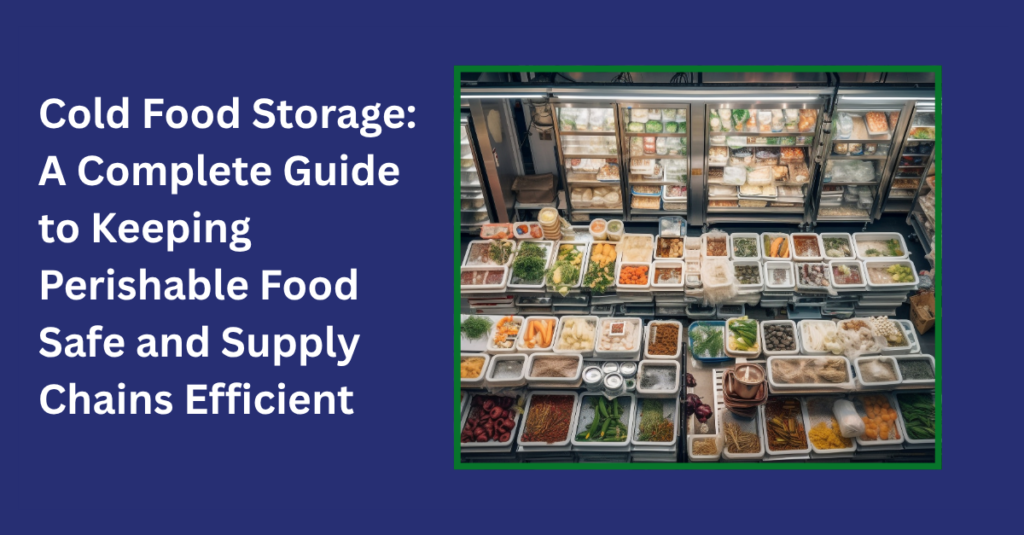
Cold food storage is the practice of storing perishable food at controlled temperatures to maintain safety, freshness, and quality. From dairy and seafood to frozen meals and fresh produce, proper cold storage helps reduce spoilage, extend shelf life, comply with food safety standards, and support an efficient cold chain for food businesses.
Whether you’re managing a restaurant, cloud kitchen, food manufacturing unit, or retail supply chain, cold food storage is essential for protecting product quality and ensuring food safety. At JustDeliveries, we help food businesses maintain an uninterrupted cold chain through temperature-controlled warehousing and logistics solutions designed specifically for the food industry. Businesses in the capital region can rely on dedicated cold chain logistics delhi support to keep perishables safe from warehouse to doorstep.
Food doesn’t simply need to be stored—it needs to be stored correctly. Even brief temperature fluctuations can affect freshness, increase wastage, and compromise customer trust. Understanding how cold storage works enables businesses to deliver safe, high-quality products while improving operational efficiency. This is especially true for fresh produce, where specialised cold storage for vegetables helps preserve quality from farm to shelf.
What is Cold Food Storage?
Cold food storage refers to the storage of perishable food products in temperature-controlled environments to preserve freshness, slow bacterial growth, and maintain product quality. It forms a critical part of the cold chain, ensuring food remains within its required temperature range from production until it reaches its destination.
Depending on the product, storage may be:
- Chilled storage for fresh produce, dairy, and beverages
- Frozen storage for meat, seafood, and frozen foods
- Deep frozen storage for products requiring long-term preservation
Industries including restaurants, cloud kitchens, food manufacturers, distributors, retailers, and quick commerce platforms depend on cold food storage to protect inventory and deliver consistent quality.
Why is Cold Food Storage Important?
Maintains Food Safety
Temperature-sensitive foods can quickly become unsafe if stored incorrectly. Controlled storage helps minimise bacterial growth and supports food safety throughout the supply chain.
Extends Shelf Life
Fresh ingredients, dairy products, seafood, meat, and frozen foods remain usable for longer when stored at the appropriate temperature, reducing unnecessary losses. Reliable frozen food transportation india services play a key role in preserving this quality once products leave storage.
Prevents Food Waste
Spoilage leads to avoidable costs. Proper cold food storage helps businesses minimise waste while maintaining inventory quality. Partnering with experienced cold storage manufacturers in india can help businesses design facilities that further reduce these losses.
Preserves Product Quality
Beyond safety, customers expect food to retain its taste, texture, appearance, and nutritional value. Consistent temperature control helps preserve these characteristics.
Supports Compliance
Food businesses must comply with food safety regulations and maintain temperature records. Reliable storage systems simplify compliance and improve operational accountability. Sourcing equipment from trusted cold storage suppliers in india makes it easier to maintain these standards consistently.
Types of Cold Food Storage
Choosing the right storage environment depends on the type of food being handled.
Chilled Storage
Typically maintained between 0°C and 5°C, chilled storage is suitable for:
- Dairy products
- Fresh fruits and vegetables
- Bakery ingredients
- Ready-to-cook foods
- Fresh beverages
Frozen Storage
Frozen facilities maintain temperatures below -18°C and are commonly used for:
- Meat and poultry
- Seafood
- Frozen snacks
- Ice cream
- Ready-to-eat frozen meals
Deep Frozen Storage
Products requiring extended storage periods may need deep frozen conditions that provide additional protection for long-term inventory management.
Foods That Require Cold Food Storage
Many food categories rely on temperature-controlled storage to maintain quality throughout the supply chain.
Examples include:
- Milk and dairy products
- Cheese and butter
- Fresh seafood
- Poultry and meat
- Frozen desserts
- Frozen vegetables
- Fresh fruits
- Bakery ingredients
- Ready-to-eat meals
- Cloud kitchen inventory
- Sauces and specialty food products
Different products require different storage conditions, making accurate temperature management essential.
Benefits of Cold Food Storage for Food Businesses
A well-managed storage system supports both product quality and business performance.
Reduces Product Spoilage
Stable temperatures help prevent avoidable inventory losses caused by temperature fluctuations.
Improves Inventory Management
Organised storage makes stock rotation easier while helping businesses monitor inventory levels more accurately.
Supports Business Growth
Reliable cold storage enables businesses to expand distribution without compromising food quality.
Enhances Customer Satisfaction
Receiving fresh, high-quality products consistently strengthens customer confidence and brand reputation.
Improves Supply Chain Efficiency
An effective cold food storage system keeps products moving efficiently between suppliers, warehouses, and delivery destinations.
Reduces Operational Costs
Lower spoilage rates, better inventory planning, and efficient logistics contribute to improved profitability over time.
Best Practices for Cold Food Storage
Following proven operational practices helps maintain food quality throughout storage.
- Maintain Correct Storage Temperatures: Every product category has its own recommended temperature range. Consistency is essential.
- Monitor Temperatures Continuously: Real-time monitoring enables businesses to identify deviations before products are affected.
- Organise Products by Temperature Requirements: Grouping products according to storage needs reduces unnecessary temperature fluctuations.
- Follow FIFO: Using the First In, First Out method ensures older inventory is distributed before newer stock.
- Label Every Product Clearly: Proper labelling improves inventory visibility and simplifies stock rotation.
- Minimise Door Openings: Reducing unnecessary door openings helps maintain stable internal temperatures.
- Maintain Hygiene Standards: Regular cleaning prevents contamination while supporting food safety.
- Train Staff: Employees should understand safe handling procedures and temperature management protocols.
- Service Equipment Regularly: Routine maintenance helps refrigeration systems operate efficiently.
- Prepare for Emergencies: Businesses should have contingency plans for equipment failures or power interruptions to minimise losses.
Common Cold Food Storage Challenges
Even well-established food businesses encounter operational challenges.
Common issues include:
- Temperature fluctuations during handling
- Delays in transportation
- Limited storage capacity during seasonal demand
- Manual inventory tracking
- Inconsistent cold chain visibility
- Equipment maintenance requirements
Addressing these challenges requires reliable infrastructure and technology-driven monitoring systems.
How Cold Food Storage and Cold Chain Logistics Work Together
Storage is only one part of the cold chain. Products must remain within their required temperature range during transportation as well. In fast-growing markets, reliable frozen food transport bangalore services help ensure that temperature integrity is maintained throughout the journey.
A complete cold chain includes:
- Temperature-controlled warehousing
- Inventory management
- Refrigerated transportation
- Route optimisation
- Real-time monitoring
- Timely distribution
This integrated approach reduces spoilage while ensuring products reach restaurants, retailers, distributors, and dark stores in optimal condition.
JustDeliveries supports food businesses with end-to-end cold chain logistics, combining warehousing and refrigerated transportation under one operational ecosystem. Its HQ App provides a central dashboard where F&B brands can track live vehicles, monitor temperature compliance, review SLAs, manage billing, and access AI-driven performance insights in real time. This visibility enables businesses to make informed decisions while maintaining product integrity throughout the supply chain. This includes dedicated cold chain logistics hyderabad operations supporting the region’s growing food and beverage sector.
Choosing the Right Cold Food Storage Partner
Selecting the right logistics partner is just as important as choosing the right storage facility.
Look for a provider that offers:
- Temperature-controlled infrastructure
- Food-focused logistics expertise
- Real-time shipment tracking
- Inventory visibility
- Scalable warehousing solutions
- Strong operational compliance
- Reliable delivery performance
For businesses serving today’s fast-paced retail landscape, logistics capabilities also matter. JustDeliveries powers cold-chain logistics for leading e-commerce and quick commerce platforms, including Swiggy Instamart, Zepto, Blinkit, Amazon, JioMart, and BigBasket. Its operations support hub-to-hub and dark store deliveries with temperature-controlled vehicles and real-time tracking, helping brands maintain freshness across every movement.
As highlighted by Mansi Mahansaria, building a resilient cold chain is no longer just about storage capacity—it’s about combining technology, visibility, and operational excellence to protect food quality at every stage.
Conclusion
Reliable cold food storage plays a fundamental role in food safety, inventory management, and customer satisfaction. By maintaining the right temperatures, following best practices, and integrating storage with dependable cold chain logistics, businesses can reduce waste, improve efficiency, and deliver consistently high-quality products.
Whether you’re expanding into new markets or strengthening existing operations, investing in the right cold storage strategy creates long-term value for both your business and your customers.
Why Choose JustDeliveries?
Food businesses need more than refrigerated vehicles—they need an integrated cold chain partner that understands the industry’s operational demands. JustDeliveries offers temperature-controlled warehousing, refrigerated transportation, real-time monitoring, inventory visibility, and technology-enabled logistics tailored exclusively for the food sector.
Through its HQ App, businesses gain live operational visibility, while its nationwide expertise supports everything from restaurants and cloud kitchens to food manufacturers, distributors, and quick commerce networks. As Mansi Mahansaria emphasises, combining intelligent technology with dependable cold chain execution enables businesses to protect product quality while scaling with confidence.
Frequently Asked Questions
Q1. What is cold food storage?
Cold food storage is the process of storing perishable food products in temperature-controlled environments to maintain freshness, safety, and quality throughout the supply chain.
Q2. Why is cold food storage important for food businesses?
It helps reduce spoilage, improves food safety, extends shelf life, supports regulatory compliance, and ensures customers receive high-quality products.
Q3. How does cold food storage reduce food waste?
By maintaining appropriate temperatures, businesses can slow spoilage, preserve freshness, and minimise inventory losses caused by improper storage.
Q4. How do you choose the right cold food storage partner?
Look for providers with temperature-controlled infrastructure, food industry expertise, real-time tracking, warehousing capabilities, compliance standards, and scalable logistics solutions.
Q5. Can cold food storage improve supply chain efficiency?
Yes. Proper storage combined with refrigerated transportation keeps products moving safely while reducing delays, waste, and inventory disruptions.
Q6. Is cold food storage suitable for cloud kitchens and restaurants?
Yes. Restaurants, cloud kitchens, caterers, distributors, and food manufacturers all rely on cold food storage to maintain ingredient quality and food safety.
Q7. Will real-time temperature monitoring improve product quality?
Yes. Continuous monitoring allows businesses to detect temperature deviations quickly, helping maintain product quality and reduce the risk of spoilage.
Q8. What foods require cold food storage?
Common products include dairy, seafood, meat, poultry, frozen foods, bakery ingredients, fresh produce, beverages, ready-to-eat meals, sauces, and specialty food products.

Mansi Mahansaria
I’m Mansi Mahansaria, CEO and Founder of JustDeliveries, a B2B logistics company specializing in the food and beverage sector. With a background in Chemical Technology (ICT Mumbai), an MBA (FMS Delhi), and experience at IDFC Private Equity and Tata Group, I’ve built a plug-and-play logistics network helping F&B brands scale efficiently. I also share insights on entrepreneurship and logistics at industry and academic events.