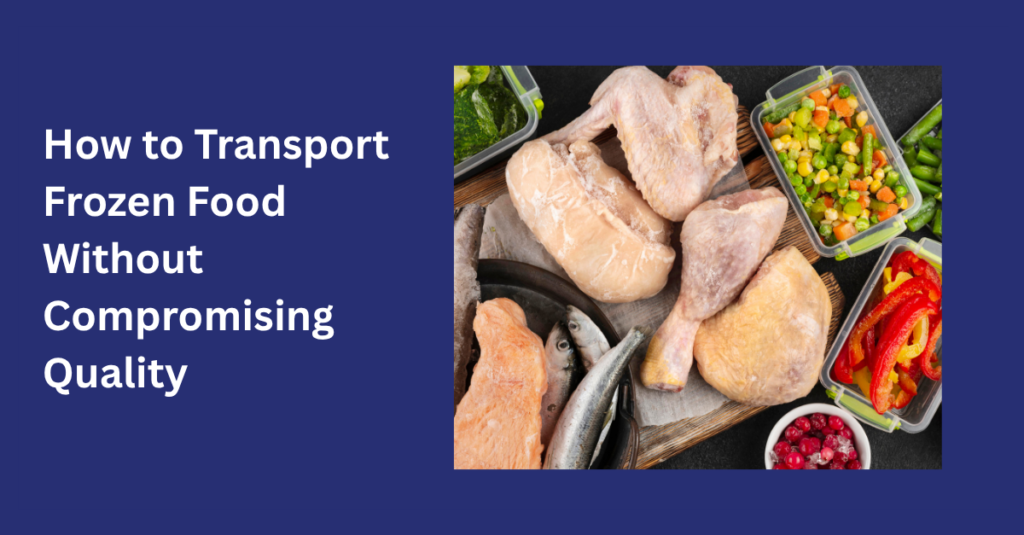
Transporting frozen food safely requires uninterrupted cold chain logistics, temperature-controlled vehicles, insulated packaging, and real-time monitoring. Businesses that understand how to transport frozen food effectively can reduce spoilage, maintain food safety standards, and preserve freshness during transit from warehouse to final delivery.
Knowing how to transport frozen food properly is essential for restaurants, FMCG brands, cloud kitchens, and food manufacturers that depend on consistent product quality. At JustDeliveries, businesses across India rely on reliable frozen food transportation in India to ensure frozen products remain safe, fresh, and compliant throughout transportation.
Why Proper Frozen Food Transportation Matters
Frozen food is highly sensitive to temperature changes. Even a small fluctuation during transit can affect texture, taste, nutritional value, and food safety. This is why businesses today invest heavily in specialized cold chain logistics and frozen food transportation services.
Understanding how to transport frozen food is no longer optional for food businesses. It directly impacts customer satisfaction, brand reputation, operational efficiency, and regulatory compliance. To fully appreciate why temperature control is so critical at every stage, it helps to first understand what is cold chain logistics and the infrastructure it requires to function effectively.
Preventing Spoilage and Product Loss
Frozen products must remain at consistent temperatures throughout transit. If products thaw and refreeze, bacterial growth increases rapidly, leading to spoilage and financial losses.
Proper transportation of frozen food minimizes:
- Food wastage
- Product recalls
- Customer complaints
- Inventory losses
Maintaining Food Safety Standards
Food businesses in India must comply with strict hygiene and temperature regulations. Maintaining frozen temperatures during transportation helps businesses meet FSSAI standards while ensuring food remains safe for consumption.
Preserving Product Quality
Whether it’s seafood, dairy products, frozen desserts, or ready-to-eat meals, maintaining freshness is critical. Businesses that learn how to transport frozen food effectively can preserve:
- Texture
- Taste
- Nutritional value
- Shelf life
Understanding Cold Chain Logistics for Frozen Food
Cold chain logistics refers to a temperature-controlled supply chain that keeps perishable products within a required temperature range from storage to delivery.
The transportation of frozen food depends on maintaining an uninterrupted cold chain at every stage.
Ideal Temperature Ranges for Frozen Food
Different frozen products require specific temperature ranges:
| Product Type | Recommended Temperature |
| Frozen meat | -18°C or below |
| Seafood | -20°C |
| Ice cream | -25°C |
| Frozen vegetables | -18°C |
| Dairy products | -18°C to -20° C dairy is chilled between 0-4 degrees pl cross check this |
Even brief exposure to warmer temperatures can damage product quality.
Key Components of Frozen Food Logistics
- Temperature-Controlled Vehicles: Refrigerated trucks and reefer vans are designed to maintain stable temperatures during transit.
- Cold Storage Facilities: Products must remain frozen before dispatch and after arrival.
- Packaging Solutions: Insulated containers, thermal liners, dry ice, and gel packs help maintain internal temperatures.
- Monitoring Systems: GPS tracking and temperature sensors provide real-time visibility throughout the journey.
As highlighted by cold chain logistics expert Mansi Mahansaria, maintaining visibility and consistency across the supply chain is one of the biggest differentiators in modern food logistics.
How to Transport Frozen Food Safely
Businesses often struggle with delays, improper packaging, and inconsistent temperature control. However, following proven logistics practices can significantly improve efficiency and product safety.
Use Temperature-Controlled Vehicles
The first step in learning how to transport frozen food is selecting the right transportation infrastructure.
Modern refrigerated vehicles are designed to:
- Maintain stable temperatures
- Reduce external heat exposure
- Prevent temperature fluctuations
- Handle long-distance deliveries safely
JustDeliveries operates specialized cold chain fleets that support restaurants, food brands, and FMCG businesses with reliable frozen product distribution. For brands serving customers in the south, dedicated frozen food transport in Bangalore ensures consistent temperature control across one of India’s fastest-growing urban food markets.
Choose Proper Packaging Materials
Packaging plays a major role in transporting frozen food successfully.
Common packaging solutions include:
- Insulated boxes
- Vacuum-sealed packaging
- Thermal blankets
- Gel packs
- Dry ice containers
The goal is to create multiple layers of protection against external temperatures.
Dry Ice vs Gel Packs
| Packaging Type | Best Use |
| Dry Ice | Long-distance frozen shipping |
| Gel Packs | Shorter deliveries |
| Thermal Liners | Additional insulation |
Businesses that understand how to transport frozen food efficiently prioritize packaging just as much as transportation.
Maintain Consistent Temperature Throughout Transit
Temperature consistency is critical in frozen logistics.
Best practices include:
- Pre-cooling vehicles before loading
- Minimizing door openings
- Optimizing delivery routes
- Monitoring vehicle temperature continuously
Even a short interruption in the cold chain can affect food safety.
Implement Real-Time Tracking and Monitoring
Technology has transformed frozen food logistics in recent years.
Real-time monitoring systems now allow businesses to:
- Track delivery vehicles live
- Monitor internal temperatures
- Receive alerts for deviations
- Improve route efficiency
JustDeliveries uses technology-enabled cold chain systems to improve transparency and reduce operational risks for food businesses across India.
Reduce Delivery Time
Speed matters in frozen logistics. The longer products stay in transit, the greater the risk of temperature instability.
Businesses transporting frozen food should focus on:
- Efficient route planning
- Localized distribution hubs
- Faster last-mile delivery
- Traffic-aware logistics planning
These measures improve delivery reliability while reducing spoilage risks. For brands distributing across the capital region, purpose-built frozen food transport in Delhi networks bring the local fleet coverage and route optimization needed to meet tight urban delivery windows.
Train Staff in Frozen Food Handling
Human handling errors remain one of the biggest causes of cold chain disruption.
Teams involved in frozen food transportation should understand:
- Safe loading procedures
- Temperature protocols
- Packaging standards
- Hygiene practices
Training improves consistency and reduces avoidable losses.
Common Challenges in Frozen Food Transportation
Even businesses with strong infrastructure face operational challenges in frozen logistics.
- Temperature Fluctuations: Equipment failure, long unloading times, or traffic delays can disrupt temperature stability.
- Rising Fuel and Logistics Costs: Cold chain transportation requires refrigeration systems that consume additional fuel and energy.
- Limited Cold Chain Infrastructure: Many regions still lack advanced refrigerated logistics support, making transportation of frozen food difficult at scale.
- Delivery Delays: Unexpected delays can compromise product quality and customer trust.
- Lack of Real-Time Visibility: Without tracking systems, businesses cannot identify temperature deviations quickly.
According to logistics specialist Mansi Mahansaria, visibility and proactive monitoring are essential for reducing wastage and maintaining operational efficiency in food supply chains.
Industries That Depend on Frozen Food Transportation Services
Many industries rely heavily on frozen logistics to maintain product quality and business continuity, and understanding how to transport frozen food in Mumbai is especially critical given the city’s dense restaurant ecosystem and strict delivery timelines.
- Restaurants and QSR Chains: Restaurant chains require consistent ingredient quality across locations.
- Dairy and Ice Cream Brands: Frozen desserts require strict temperature control throughout transportation.
- Seafood and Meat Suppliers: Protein products are highly temperature-sensitive and require specialized handling.
- Frozen Ready-to-Eat Food Brands: The growing convenience food market depends on efficient frozen logistics.
- FMCG and Retail Businesses: Retailers require scalable frozen food transportation services to maintain inventory freshness across stores.
Technology Is Transforming Frozen Food Logistics
Technology is helping businesses improve efficiency, visibility, and reliability across cold chain networks, especially for frozen food transport with cold chain in Bangalore where high-volume restaurant and FMCG distribution demands are growing rapidly:
- IoT-Based Temperature Monitoring: Smart sensors continuously track product temperatures during transit.
- AI-Driven Route Optimization: Advanced systems identify faster and more fuel-efficient delivery routes.
- Live Shipment Visibility: Real-time tracking improves operational transparency and customer confidence.
- Smart Cold Storage Infrastructure: Modern cold storage systems now integrate automation and predictive maintenance features.
Businesses that invest in technology are better equipped to scale transportation of frozen food while maintaining product quality. Many brands are also partnering with established third party logistics companies to access this technology without the capital expenditure of building it in-house.
Best Practices for Businesses Shipping Frozen Food
Companies looking to improve frozen logistics operations should follow these practical strategies.
- Partner With Specialized Cold Chain Providers: Experienced logistics partners reduce operational complexity and improve reliability.
- Conduct Regular Temperature Audits: Routine checks help identify inefficiencies early.
- Schedule Deliveries Strategically: Delivering during cooler hours can help maintain stable temperatures.
- Invest in Scalable Infrastructure: As businesses grow, cold chain systems must scale efficiently.
- Focus on Compliance and Documentation: Maintaining records and compliance standards improves accountability and operational consistency.
Understanding how to transport frozen food properly requires both operational discipline and the right logistics partnerships. Businesses that are new to outsourcing can start by understanding the 3PL logistics meaning to evaluate how a third-party model can support frozen food distribution without the overhead of managing infrastructure independently.
Why Businesses Choose Professional Frozen Food Transportation Services
Specialized cold chain providers offer several advantages over traditional logistics systems.
- Reduced Product Loss: Temperature-controlled systems reduce spoilage significantly.
- Better Customer Satisfaction: Fresh, safe products improve customer trust.
- Improved Operational Efficiency: Technology-enabled systems streamline logistics operations.
- Scalability: Businesses can expand distribution networks without compromising quality.
- Better Supply Chain Visibility: Real-time monitoring improves control and decision-making.
For many growing food brands, outsourcing frozen food transportation services is more cost-effective than managing infrastructure independently. Brands expanding into western India can benefit from reliable frozen food transport in Mumbai, where high-density urban distribution and strict delivery timelines make specialized cold chain expertise essential.
Conclusion
Learning how to transport frozen food effectively is essential for maintaining food safety, preserving freshness, and reducing operational losses. Businesses that invest in proper cold chain logistics, reliable transportation systems, packaging, and real-time monitoring can improve efficiency while delivering better customer experiences.
As demand for frozen food continues to rise in India, companies must prioritize scalable and technology-driven logistics solutions to remain competitive.
Looking for Reliable Frozen Food Transportation Services?
If your business depends on safe, efficient, and temperature-controlled logistics, partnering with an experienced cold chain provider can make a significant difference.
JustDeliveries offers specialized cold chain and frozen food transportation services designed for restaurants, FMCG brands, cloud kitchens, dairy companies, and food manufacturers across India. From refrigerated transportation and cold storage to real-time tracking and last-mile delivery, JustDeliveries helps businesses maintain freshness, reduce wastage, and scale distribution with confidence.
Frequently Asked Questions
Q1. How to transport frozen food safely over long distances?
Frozen food should be transported using temperature-controlled vehicles, insulated packaging, dry ice or gel packs, and continuous temperature monitoring to maintain product safety and quality.
Q2. How do refrigerated trucks maintain frozen temperatures?
Refrigerated trucks use built-in cooling systems and insulated interiors to maintain stable temperatures throughout transportation.
Q3. Can frozen food thaw slightly during transportation?
Partial thawing can compromise food safety, texture, and shelf life. Frozen products should remain at consistent temperatures throughout transit.
Q4. Can small businesses use frozen food transportation services?
Yes. Many logistics providers offer scalable cold chain solutions suitable for small restaurants, cloud kitchens, and food startups.
Q5. Is dry ice necessary for transporting frozen food?
Dry ice is commonly used for long-distance transportation because it maintains lower temperatures for extended periods.
Q6. Is real-time tracking important in frozen logistics?
Yes. Real-time tracking helps businesses monitor temperatures, prevent spoilage, and respond quickly to delivery disruptions.
Q7. Will improper packaging affect frozen food quality?
Yes. Poor packaging can cause temperature fluctuations, freezer burn, contamination, and spoilage during transit.
Q8. What is the biggest challenge in transporting frozen food and why?
Maintaining uninterrupted cold chain conditions is the biggest challenge because even minor temperature fluctuations can affect food safety, freshness, and compliance standards.

Mansi Mahansaria
I’m Mansi Mahansaria, CEO and Founder of JustDeliveries, a B2B logistics company specializing in the food and beverage sector. With a background in Chemical Technology (ICT Mumbai), an MBA (FMS Delhi), and experience at IDFC Private Equity and Tata Group, I’ve built a plug-and-play logistics network helping F&B brands scale efficiently. I also share insights on entrepreneurship and logistics at industry and academic events.