
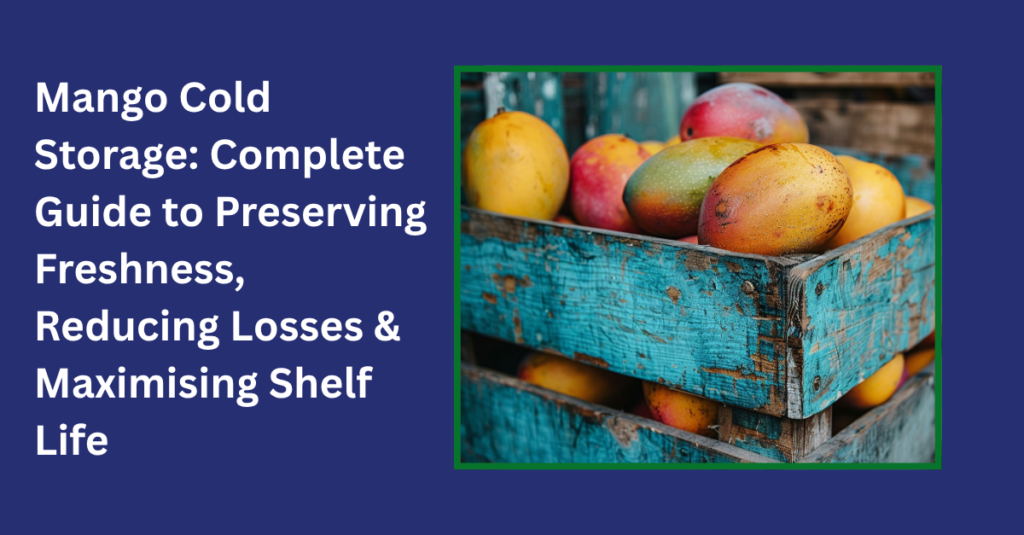
Mango cold storage helps preserve freshness by maintaining mangoes at an ideal temperature of 10°C–13°C with 85–95% relative humidity. It slows ripening, reduces post-harvest losses, extends shelf life, and maintains fruit quality during storage and transportation, making it essential for commercial distribution and exports.
Mango cold storage is the most effective way to preserve mango quality after harvest by controlling temperature and humidity throughout the supply chain. It reduces spoilage, extends shelf life, and ensures fruit reaches buyers in peak condition. At JustDeliveries, businesses benefit from integrated cold-chain logistics that help maintain freshness from warehouse to destination. As India’s mango season grows more competitive, protecting every shipment has never been more important.
India produces millions of tonnes of mangoes every year, yet a significant portion is lost before reaching consumers because of poor post-harvest handling and inconsistent temperature control. Whether you’re a grower, exporter, wholesaler, food processor, or retailer, maintaining fruit quality requires more than refrigeration—it demands a reliable cold chain from harvest to delivery.
What Is Mango Cold Storage?
Mango cold storage is the process of storing harvested mangoes in temperature-controlled facilities that regulate humidity, airflow, and storage conditions. Unlike ordinary warehouses, cold storage slows the fruit’s natural respiration process, helping retain its texture, flavour, colour, and nutritional quality.
For commercial businesses, cold storage forms one part of a larger cold chain that includes pre-cooling, warehousing, refrigerated transportation, and timely distribution. When every stage is carefully managed, mangoes remain fresh for longer while reducing wastage and financial losses. Understanding the different types of cold chain involved can help businesses choose the right storage and transport setup for their specific fruit volumes.
How Cold Storage Preserves Mango Quality
Proper storage conditions help by:
- Slowing the ripening process
- Reducing moisture loss
- Minimising microbial growth
- Maintaining firmness and appearance
- Preserving natural sweetness and aroma
- Extending marketable shelf life
Why Is Mango Cold Storage Important?
Fresh mangoes are highly perishable. Exposure to excessive heat or fluctuating temperatures accelerates ripening, leading to bruising, spoilage, and reduced commercial value.
An effective cold storage strategy offers several advantages:
- Reduces post-harvest losses
- Maintains premium fruit quality
- Supports interstate and export distribution
- Improves inventory management
- Reduces unnecessary waste
- Helps businesses fulfil retailer and customer expectations
For exporters and food businesses, maintaining quality throughout transportation is just as important as storage itself. A broken cold chain can quickly undo the benefits of proper warehousing. Working with established cold storage manufacturers in india can help businesses build the right infrastructure to prevent these interruptions from the start.
Ideal Temperature and Humidity for Mango Storage
The right storage environment varies slightly by variety and maturity, but general recommendations include:
| Parameter | Recommended Range |
| Temperature | 10°C–13°C |
| Relative Humidity | 85–95% |
| Air Circulation | Continuous, gentle airflow |
| Ethylene Management | Controlled exposure and ventilation |
These conditions help slow ripening while protecting the fruit from chilling injury or excessive moisture loss.
Recommended Storage Duration for Popular Mango Varieties
| Variety | Storage Temperature | Approximate Storage Life |
| Alphonso | 12–13°C | 2–3 weeks |
| Kesar | 11–13°C | 2–3 weeks |
| Banganapalli | 12°C | Up to 3 weeks |
| Dasheri | 10–12°C | Around 2 weeks |
| Langra | 11–12°C | 2–3 weeks |
| Totapuri | 12–13°C | Up to 3 weeks |
Actual storage life depends on harvest maturity, handling practices, and maintaining an uninterrupted cold chain.
Step-by-Step Mango Cold Storage Process
1. Harvest at the Right Maturity
Harvesting mangoes at the correct maturity stage ensures better shelf life and consistent ripening.
2. Sorting and Grading
Damaged, bruised, or diseased fruits should be removed before storage. Uniform grading also improves handling and packaging efficiency.
3. Cleaning and Sanitisation
Cleaning removes dirt and reduces microbial contamination that can shorten storage life.
4. Pre-cooling
Pre-cooling quickly removes field heat after harvest. This crucial step significantly improves storage performance.
5. Proper Packaging
Ventilated crates and strong corrugated cartons protect mangoes during storage and transportation while allowing sufficient airflow.
6. Temperature-Controlled Storage
Maintaining stable storage conditions throughout the warehousing period is essential to preserve fruit quality.
7. Refrigerated Transportation
Even the best storage practices can fail if transportation temperatures fluctuate. Refrigerated vehicles ensure mangoes remain within the recommended temperature range until they reach distributors, retailers, exporters, or processing facilities. This same principle applies to reliable frozen food transportation India networks, where consistent transit temperatures are equally critical to protecting product quality.
Common Challenges in Mango Cold Storage
Businesses often encounter challenges that reduce product quality, including:
- Temperature fluctuations
- Excess humidity or dry conditions
- Poor ventilation
- Mechanical damage during handling
- Delayed transportation
- Improper stacking
- Interruptions in the cold chain
Preventing these issues requires proper infrastructure, trained teams, and real-time operational visibility. Partnering with experienced cold storage suppliers in india can help businesses put this infrastructure in place before peak mango season creates added pressure.
Technologies Transforming Modern Cold Chains
Today’s food supply chains depend on technology as much as refrigeration. Modern cold-chain operations now integrate digital monitoring and predictive insights to improve consistency and reduce operational risks.
Solutions such as IoT-enabled temperature monitoring, GPS tracking, Warehouse Management Systems (WMS), and controlled storage environments help businesses monitor inventory and shipments more effectively.
At JustDeliveries, technology is central to operations. The HQ App serves as a single dashboard where food and beverage brands can monitor live vehicle locations, temperature compliance, service-level agreements (SLAs), billing, and AI-driven performance insights in real time. This visibility enables businesses to make faster decisions while maintaining product integrity throughout the journey.
Supporting India’s Growing Quick Commerce Ecosystem
Quick commerce has transformed how consumers purchase fresh food, dairy, beverages, frozen products, and ready-to-eat items. Faster deliveries have increased expectations for reliable cold-chain infrastructure behind the scenes.
JustDeliveries supports this evolving ecosystem by powering temperature-controlled logistics for leading quick commerce platforms including Swiggy Instamart, Zepto, Blinkit, Amazon, JioMart, and BigBasket. From hub-to-hub transfers to dark store deliveries, shipments are managed with real-time vehicle tracking and temperature control, helping food businesses maintain freshness while meeting demanding delivery schedules. In high-density regions, dedicated cold chain logistics Delhi operations reflect how this network supports rapid replenishment cycles.
As explained by Mansi Mahansaria, author at JustDeliveries, cold-chain logistics today is no longer only about storage—it’s about maintaining product quality across every movement in the supply chain. This is reflected in growing networks such as cold chain logistics Hyderabad operations, which support this same level of consistency across regional markets.
How to Choose the Right Cold Chain Logistics Partner
Selecting the right logistics provider can directly impact product quality and customer satisfaction. Consider whether your partner offers:
- Temperature-controlled warehousing
- Refrigerated transportation
- Real-time shipment tracking
- Integrated warehouse and transport solutions
- Food-grade handling practices
- Technology-driven monitoring
- Experienced cold-chain teams
- Scalable operations during seasonal demand
An integrated partner reduces operational complexity while ensuring greater consistency from storage to delivery. In southern markets, dependable frozen food transport Bangalore services illustrate how this consistency extends across regional fruit and frozen food distribution alike.
Conclusion
Protecting mango quality requires much more than refrigeration alone. From harvesting and pre-cooling to warehousing and transportation, every stage contributes to preserving freshness and reducing waste. Businesses that invest in reliable cold-chain infrastructure improve product quality, strengthen customer confidence, and minimise losses across the supply chain.
As Mansi Mahansaria highlights through JustDeliveries logistics expertise, combining advanced technology with temperature-controlled operations enables food businesses to scale confidently while protecting every shipment.
Keep Your Mango Supply Chain Fresh with JustDeliveries
Fresh produce deserves a logistics partner that understands the importance of consistency. JustDeliveries provides integrated cold storage, warehousing, refrigerated transportation, and technology-enabled cold-chain solutions tailored for the food and beverage industry. Whether you’re supplying retailers, exporters, distributors, or quick commerce platforms, our temperature-controlled infrastructure, real-time monitoring, and intelligent logistics help reduce spoilage and improve operational efficiency. Partner with JustDeliveries to keep your mangoes fresh, protected, and market-ready from origin to destination.
Frequently Asked Questions
Q1. How does mango cold storage increase shelf life?
Cold storage slows the natural ripening process by maintaining optimal temperature and humidity, allowing mangoes to stay fresh for several weeks depending on the variety.
Q2. How soon should mangoes be placed into cold storage after harvest?
Ideally, mangoes should be pre-cooled and moved into cold storage as soon as possible after harvesting to remove field heat and preserve quality.
Q3. Can ripe mangoes be stored in cold storage?
Yes. Ripe mangoes can be stored under controlled conditions for a shorter period to maintain freshness before distribution or sale.
Q4. Can refrigerated transport improve mango quality during delivery?
Refrigerated transportation helps maintain stable temperatures, reducing spoilage and preserving fruit quality throughout transit.
Q5. Is cold storage suitable for all mango varieties?
Most commercial mango varieties benefit from cold storage, although ideal temperatures and storage durations may vary slightly between cultivars.
Q6. Will cold storage affect the taste of mangoes?
When maintained within recommended temperature ranges, cold storage preserves flavour, texture, and sweetness without compromising fruit quality.
Q7. What temperature is best for storing mangoes commercially?
Most commercial operations store mangoes between 10°C and 13°C with 85–95% relative humidity, depending on the variety and maturity stage.
Q8. Why is an uninterrupted cold chain important after storage?
Even after proper storage, temperature fluctuations during loading or transportation can accelerate ripening and reduce shelf life. Maintaining an uninterrupted cold chain protects product quality until the final destination.

Mansi Mahansaria
I’m Mansi Mahansaria, CEO and Founder of JustDeliveries, a B2B logistics company specializing in the food and beverage sector. With a background in Chemical Technology (ICT Mumbai), an MBA (FMS Delhi), and experience at IDFC Private Equity and Tata Group, I’ve built a plug-and-play logistics network helping F&B brands scale efficiently. I also share insights on entrepreneurship and logistics at industry and academic events.