
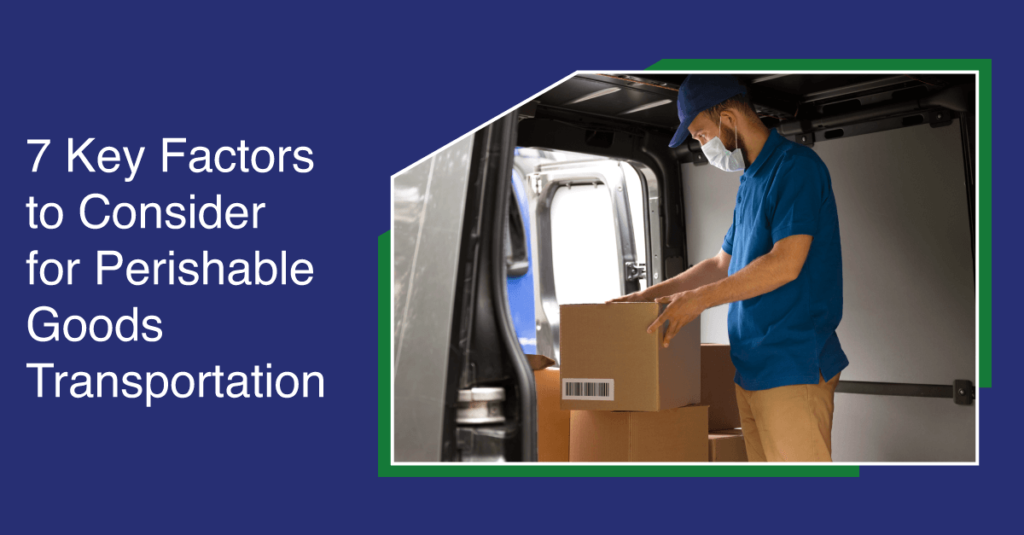
Perishable goods transportation requires strict temperature control, specialised refrigerated vehicles, proper packaging, trained handling teams, route optimisation, and regulatory compliance. Businesses transporting food, dairy, pharmaceuticals, flowers, and frozen products must maintain an uninterrupted cold chain to preserve product quality, extend shelf life, and minimise spoilage during transit.
Perishable goods transportation is the process of moving temperature-sensitive products while maintaining their freshness, safety, and quality. At JustDeliveries, we understand that the transportation of perishable goods requires careful planning, specialised vehicles, and robust cold chain management to ensure products reach their destination in optimal condition.
What Are Perishable Goods?
Perishable goods are products that deteriorate in quality due to environmental conditions and time. These products have a limited shelf life and require specialised storage and transportation conditions to maintain their freshness and usability.
Common examples include:
- Dairy products
- Milk and milk-based products
- Meat and poultry
- Seafood
- Fruits and vegetables
- Frozen foods
Without proper perishable food transportation, these products can spoil, lose their quality, or become unsafe for consumption. This makes effective perishable goods handling a critical component of modern supply chains for more detail, see how perishable goods are transported safely.
Why Cold Chain Logistics Is Essential for Perishable Goods Transportation
Cold chain logistics refers to the temperature-controlled storage and transportation process that protects sensitive products from spoilage. An uninterrupted cold chain helps maintain product integrity from the point of origin to the final delivery destination.
Industries that depend heavily on cold chain logistics include:
- Food and beverage manufacturers
- Dairy companies
- Frozen food brands
- Ice cream manufacturers
Reliable solutions for the transport of perishable foods help businesses reduce wastage, maintain compliance, and improve customer satisfaction.
Factors to Consider for Transporting Perishable Goods
1. Temperature Control
Strict temperature control is essential for delivering perishable goods in the best condition. Closely monitoring and controlling the temperature during the storage and transportation process can help to extend the product’s freshness and shelf life. Ensuring the transportation company you hire has optimal temperature control procedures is essential to prevent spoilage and minimise losses. Businesses in South India, for example, rely on reliable cold chain logistics in Bangalore to maintain consistent temperatures through the city’s warm climate throughout the year.
The optimal storage temperature for different products can vary. Fruits, vegetables, seafood, milk and meat products are often stored at 0°C to 5°C to maintain their freshness and nutritional value and minimise bacterial growth. On the other hand, frozen products like ice cream, cheeses, and frozen foods are stored and transported below -18°C.
2. Packaging
Efficient and correct packaging and labelling are necessary for perishable products. Proper packaging and sealing of the products are essential during storage and especially during transit. It helps to keep bacteria and other microorganisms out and maintain the goods’s freshness and longevity. Additionally, having detailed labelling helps the transporter to identify perishable products and handle them accordingly.
When transporting perishable goods, you must provide clear instructions to the logistics company about the packaging, labelling, and handling. Temperature-sensitive perishable products are often packaged in insulated containers to maintain the optimal temperature. You must also instruct the transporters about the risk of cross-contamination if necessary.
3. Shelf Life and Transit Time
By nature, perishable goods have a short shelf life. It is important to minimise the transit time to ensure these products reach the market in their best conditions. Retailers should have enough time to market and sell these products by the time goods reach them.
Choosing the right transport partner is critical for ensuring your goods are fresh and ready to be sold. Extended transit time means the goods will be available in the market for a fraction of their original lifespan, leading to higher losses. Choose a transport partner who can offer quick delivery while following all the compliance requirements.
4. Refrigerated Transport System
Refrigerated transport systems are the best mode of transportation for perishable goods. Refrigerated transport trucks, also known as reefers, are one of the widely used means of transport for perishable goods. Products like milk, meat, flowers, fruits and vegetables require a cold temperature to stay fresh for a long time.
Frozen food products require a much colder temperature, almost -18°C. It is not possible to transport these goods safely without reliable refrigerated transportation—partner with a dedicated cold chain logistics provider with reliable refrigerated transportation solutions.
5. Regulatory Compliance
Perishable goods are often subjected to strict rules and regulations due to their delicate nature. Following regulatory compliance is essential to avoid any legal trouble. But more importantly, keeping up with the compliances can also help you keep your goods safe and protected from contamination and bacteria.
The rules and regulations surrounding perishable goods are constantly being upgraded; hence, it is crucial to know these rules beforehand. Partnering with an industry expert who can take care of these things can reduce your burden and allow you to focus on your core business.
6. Handling and Training
The workers handling your product from dispatch to delivery must be familiar with the product. The workers must know how to handle the products, what temperature to store them in, which products to avoid keeping in proximity, and so on.
The business must train its employees in these regards and notify everyone about the best practices. Proper training helps to minimise product waste at an initial stage, improving profits and productivity.
7. Route Planning and Risk Mitigation
Efficient route planning is extremely crucial for minimising transit time and cost. One needs to factor in the route distance, time, road conditions, and weather while planning the most efficient route. Businesses operating across major metros must also account for city-specific challenges whether that’s navigating perishable goods transport solutions in Delhi across the capital’s vast distribution networks, or using cold chain logistics for perishables in Mumbai to handle the financial hub’s dense urban delivery demands. Partnering with an industry expert in logistics and transportation is highly recommended.
However, some calculation mistakes are always bound to occur. As a result, you must have strong risk mitigation plans in place to ensure the goods are safe even in case of a delay. Following the steps mentioned above can help you alleviate some of the risks.
Common Challenges in Perishable Goods Transportation
Despite technological advancements, businesses still face several challenges:
- Temperature fluctuations
- Delivery delays
- Packaging failures
- Regulatory changes
- Vehicle breakdowns
- Seasonal demand surges
Using specialised solutions for the transport of perishable foods helps businesses overcome these challenges while maintaining product quality and compliance.
Packaging Best Practices for Perishable Goods
When transporting temperature-sensitive products, packaging should:
- Maintain internal temperatures
- Protect against moisture and contamination
- Prevent physical damage
- Include handling instructions
- Support sustainability initiatives
The right packaging can significantly reduce spoilage and product loss during transportation.
Technological Advancements in Perishable Food Transportation
Modern logistics technology has transformed perishable goods transportation.
Key innovations include:
- IoT-enabled temperature sensors
- Real-time GPS tracking
- Humidity monitoring systems
- Automated alerts for temperature deviations
- Digital proof of delivery
- Fleet management software
These technologies improve visibility, efficiency, and reliability across the cold chain.
Conclusion
Successful perishable goods transportation requires a combination of temperature-controlled logistics, specialised vehicles, proper packaging, trained personnel, and efficient route planning. Businesses that invest in reliable cold chain solutions can reduce spoilage, improve operational efficiency, and maintain the quality of their products throughout transit.
At JustDeliveries, we specialise in the transportation of perishable goods for food and beverage businesses across India, including frozen food transportation across India. Our temperature-controlled logistics network is designed to help businesses move sensitive products safely, efficiently, and reliably.
Frequently Asked Questions
Q1. What is perishable goods transportation?
Perishable goods transportation is the movement of temperature-sensitive products such as food, dairy, seafood, pharmaceuticals, and flowers under controlled conditions to preserve quality and safety.
Q2. How does temperature control affect perishable food transportation?
Temperature control prevents spoilage, reduces bacterial growth, maintains freshness, and extends product shelf life during transportation.
Q3. How can businesses reduce spoilage during transportation?
Businesses can reduce spoilage by using refrigerated vehicles, proper packaging, real-time monitoring systems, trained handlers, and efficient route planning.
Q4. Can frozen foods be transported without refrigerated vehicles?
No. Frozen products generally require temperatures below -18°C and should be transported in refrigerated or reefer vehicles to maintain product integrity.
Q5. Is refrigerated transport the best mode of transport for perishable goods?
Yes. Refrigerated trucks and temperature-controlled vehicles are widely considered the best mode of transport for perishable goods because they maintain consistent temperatures throughout transit.
Q6. Will proper packaging improve the shelf life of perishable products?
Yes. Proper packaging helps maintain temperature stability, prevents contamination, and protects products from physical damage, extending shelf life.
Q7. Why is perishable goods handling important?
Proper perishable goods handling reduces contamination risks, minimises waste, maintains food safety standards, and preserves product quality throughout the supply chain.
Q8. What are the most effective solutions for the transport of perishable foods?
The most effective solutions include refrigerated transportation, cold chain logistics, temperature monitoring systems, insulated packaging, trained personnel, and route optimisation technologies.

Mansi Mahansaria
I’m Mansi Mahansaria, CEO and Founder of JustDeliveries, a B2B logistics company specializing in the food and beverage sector. With a background in Chemical Technology (ICT Mumbai), an MBA (FMS Delhi), and experience at IDFC Private Equity and Tata Group, I’ve built a plug-and-play logistics network helping F&B brands scale efficiently. I also share insights on entrepreneurship and logistics at industry and academic events.



Thank you for sharing such an insightful and detailed guide on transporting perishable goods! Your emphasis on temperature control, efficient logistics, and proper packaging highlights the importance of maintaining quality in transit. This is invaluable information for businesses handling delicate items. Great work!