Perishable goods are transported using temperature-controlled logistics systems that maintain freshness from storage to final delivery. Refrigerated trucks, cold storage facilities, insulated packaging, and real-time monitoring help prevent spoilage during transit, and these key factors for perishable goods transportation are what separate a reliable cold chain from a risky one. In India, specialized cold-chain providers like JustDeliveries ensure the safe transportation of frozen, chilled, and fresh products across multiple cities.
If you’ve ever wondered how are perishable goods transported, the answer lies in a carefully managed cold-chain system designed to preserve freshness, quality, and safety. From refrigerated trucks to temperature-monitored warehouses, every step matters. Companies like JustDeliveries help food and beverage brands across India transport perishable products efficiently while reducing spoilage and delivery delays.
What Are Perishable Goods?
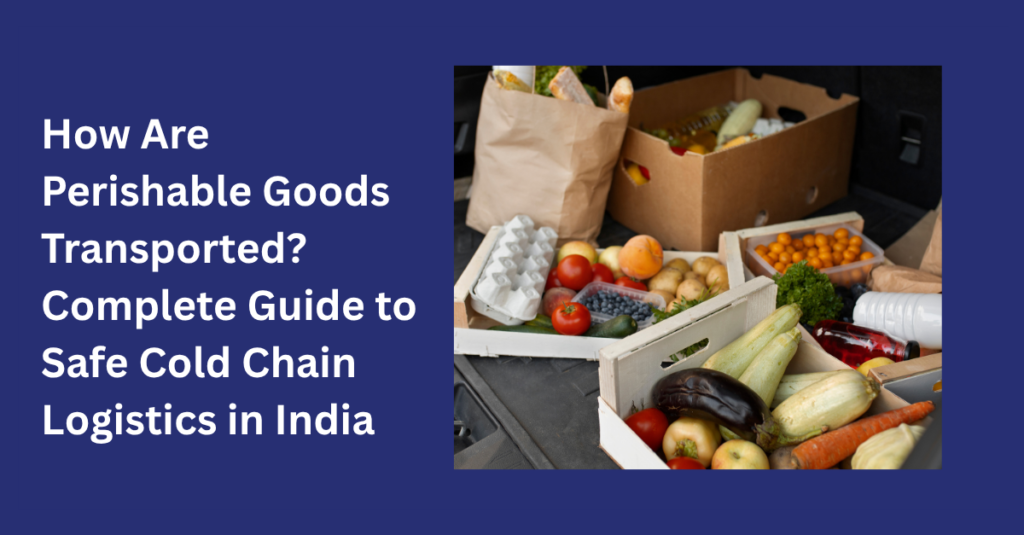
Perishable goods are products that can spoil, decay, or lose quality if not stored and transported under the right conditions. These items are highly sensitive to temperature, humidity, and transit time.
Common examples include:
- Dairy products
- Frozen foods
- Meat and seafood
- Fruits and vegetables
- Bakery products
- Pharmaceuticals (remove pharma content)
- Ready-to-eat meals and beverages
Unlike standard cargo, these products require specialized handling throughout the supply chain to maintain freshness and comply with food safety standards.
How Are Perishable Goods Transported?
Understanding how are perishable goods transported begins with understanding the cold chain. A cold chain is a temperature-controlled logistics network designed to maintain product integrity during storage and transportation.
Refrigerated Vehicles and Reefer Trucks
The most common method used for the transportation of perishable goods is refrigerated transport. Reefer trucks and refrigerated vans maintain specific temperatures depending on the type of cargo being moved.
For example:
- Frozen products: -18°C or below
- Chilled dairy products: 2°C to 8°C
- Fresh produce: Controlled cool temperatures
Modern refrigerated vehicles are equipped with temperature sensors and GPS systems to ensure uninterrupted monitoring throughout the journey. For a dedicated look at frozen goods specifically, explore our guide on frozen food transportation India to understand the specialized requirements, temperature protocols, and infrastructure involved.
Cold Storage and Warehousing
Perishable logistics does not start on the road. Products are first stored in temperature-controlled warehouses before dispatch.
Cold storage facilities help:
- Preserve freshness
- Reduce bacterial growth
- Prevent moisture damage
- Maintain shelf life
JustDeliveries operates cold-chain infrastructure that supports chilled, frozen, and ambient storage requirements for food and beverage brands across India.
Real-Time Monitoring and Tracking
One of the biggest advancements in cold-chain logistics is real-time shipment visibility.
Today, logistics providers use:
- GPS tracking
- IoT-enabled temperature sensors
- Automated alerts
- Digital proof of delivery
These technologies reduce spoilage risks and help businesses maintain compliance with food safety standards.
This is especially important when transporting high-value or highly sensitive products over long distances.
Road and Rail Transportation
The transportation of perishable goods relies on efficient logistics networks that maintain product quality and temperature control throughout the journey.
- Road Transport: Road transportation remains the primary mode of perishable goods transportation in India, offering flexibility, extensive route coverage, and seamless last-mile delivery. Refrigerated vehicles help preserve product freshness while ensuring timely distribution across urban and regional markets.
- Refrigerated Rail Containers: Refrigerated rail transport is increasingly being adopted for long-distance and high-volume shipments. By combining temperature-controlled storage with cost-effective transit, rail networks support the reliable movement of perishable products across major routes while maintaining cold chain integrity.
How to Transport Perishable Goods Safely
Businesses often ask how to transport perishable goods without compromising quality. The answer depends on maintaining consistency across the supply chain. For a more specific look at frozen products, read our comprehensive guide on how to transport frozen food covering exact temperature ranges, packaging requirements, and safety protocols.
Use Proper Packaging
Packaging plays a critical role in protecting products during transit.
Popular packaging methods include:
- Insulated containers
- Vacuum-sealed packaging
- Gel packs and dry ice
- Moisture-resistant wrapping
Proper packaging minimizes temperature fluctuations and contamination risks.
Maintain Temperature Consistency
The biggest challenge in cold-chain logistics is avoiding temperature breaks.
Even minor fluctuations can:
- Reduce shelf life
- Cause spoilage
- Damage texture and taste
- Increase financial losses
That’s why leading providers continuously monitor temperature conditions during loading, storage, and transportation.
Optimize Delivery Routes
Faster deliveries reduce spoilage risks.
Advanced route planning helps logistics companies:
- Avoid traffic congestion
- Reduce transit time
- Lower fuel costs
- Improve delivery efficiency
JustDeliveries uses operational planning and route optimization to support timely deliveries for food and beverage businesses.
Follow Hygiene and Compliance Standards
Food safety regulations are strict when it comes to perishable products.
Reliable logistics providers maintain:
- Sanitized vehicles
- Clean storage facilities
- Standard operating procedures
- FSSAI compliance measures
These standards help businesses maintain product quality and customer trust.
Transportation of Perishable Goods in India
The demand for temperature-controlled logistics has increased rapidly in recent years due to the growth of:
- Online grocery platforms
- Quick commerce
- Frozen food brands
- Cloud kitchens
- QSR chains
As a result, the transportation of perishable goods has become a critical part of India’s supply chain ecosystem. For businesses exploring outsourcing options, our overview of third party logistics companies can help identify the right cold-chain partner for your distribution requirements.
However, challenges still exist.
Key Challenges in India’s Cold Chain Sector
- Infrastructure Gaps: Some regions still lack reliable refrigerated transport and cold storage infrastructure.
- Long-Distance Transportation: India’s geographic size makes maintaining consistent temperatures difficult during long transit journeys. For businesses operating in the North, frozen food transport Delhi provides temperature-controlled logistics solutions designed for the unique distribution demands of the NCR region, complementing broader cold chain logistics across Delhi NCR that covers storage as well as transport.
- High Spoilage Rates: Poor handling and delayed deliveries contribute to food wastage across supply chains.
- Rising Fuel Costs: Fuel and refrigeration costs directly impact the cost of perishable goods transported across cities.
Despite these challenges, India’s cold-chain industry continues to evolve rapidly with better technology and infrastructure investments.
What Affects the Cost of Perishable Goods Transported?
Several factors influence the cost of perishable goods transported across India.
Distance and Delivery Time
Longer transit distances increase:
- Fuel consumption
- Refrigeration costs
- Operational expenses
Urgent deliveries also cost more due to faster transport requirements.
Temperature Requirements
Frozen products require more intensive refrigeration compared to chilled or ambient products.
Lower temperatures mean:
- Higher energy usage
- Specialized equipment
- Additional monitoring systems
Packaging and Product Sensitivity
Fragile or premium products require specialized packaging solutions that add to logistics costs.
For example:
- Seafood
- Gourmet desserts
- Imported dairy products
These products require extra protection and handling.
Supply Chain Efficiency
Efficient logistics networks can significantly reduce operational costs. If you’re new to outsourcing fulfillment, read our guide on third party logistics meaning to understand how this model works and what it means for your cold-chain operations and cost structure.
Third-party logistics providers like JustDeliveries help businesses scale without investing heavily in their own refrigerated fleets or warehousing infrastructure.
How JustDeliveries Transports Perishable Goods Across India
When discussing how are perishable goods transported, it’s important to understand how specialized logistics providers operate at scale.
JustDeliveries focuses exclusively on food and beverage logistics, offering temperature-controlled transportation solutions designed for modern supply chains.
Temperature-Controlled Fleet
JustDeliveries uses refrigerated vehicles capable of handling:
- Frozen products
- Chilled products
- Dry and ambient goods
Their fleet supports consistent temperature maintenance during transit.
Multi-City Cold Chain Operations
The company supports businesses across major Indian cities through:
- Cold storage and warehousing facilities
- Temperature-controlled mid-mile transportation
- Reliable B2B movement of goods between warehouses, hubs, distribution centers, and outlets
This helps brands expand into new markets without building their own logistics infrastructure. Businesses in South India can explore frozen food transport Bangalore for reliable temperature-controlled deliveries across Karnataka and the wider southern distribution network.
Real-Time Visibility and Monitoring
For B2B food and beverage brands, real-time visibility is essential to maintaining product quality and ensuring smooth supply chain operations.
JustDeliveries combines tech-enabled cold chain logistics with the JustDeliveries HQ app, giving businesses greater control over their shipments and inventory movement.
Key features include:
- GPS-enabled tracking for B2B deliveries
- Real-time shipment visibility through the JustDeliveries HQ app
- Temperature monitoring and compliance tracking
- Centralized updates for better supply chain coordination
This allows food businesses, QSRs, cloud kitchens, distributors, and FMCG brands to monitor deliveries in real time, improve operational efficiency, and significantly reduce spoilage and quality risks.
Specialized Food & Beverage Expertise
Unlike general logistics companies, JustDeliveries focuses specifically on the food and beverage sector.
Their operations support:
- QSR brands
- Frozen food companies
- Dairy brands
- Bakeries
- Beverage companies
- Cloud kitchens
This industry-specific expertise improves operational efficiency and product safety. For food and beverage brands in Maharashtra, frozen food transport Mumbai offers dedicated cold-chain coverage across one of India’s most active and competitive food distribution markets.
As highlighted by logistics industry contributor Mansi Mahansaria, efficient cold-chain systems are no longer optional for growing food brands in India — they are essential for maintaining quality, customer trust, and scalability.
Why Cold Chain Logistics Matters More Than Ever
Consumer expectations have changed significantly.
Customers now expect:
- Fresher products
- Faster deliveries
- Better quality control
- Safer food handling
This has made reliable cold-chain logistics one of the most important competitive advantages for food businesses.
The future of perishable goods transportation India will likely depend on:
- Smarter logistics technology
- Sustainable refrigeration systems
- AI-based route optimization
- Better infrastructure development
According to Mansi Mahansaria, businesses that invest in reliable cold-chain logistics today are better positioned to scale efficiently while minimizing losses and operational disruptions.
Conclusion
So, how are perishable goods transported safely across long distances?
The answer lies in a well-managed cold-chain system that combines refrigerated transport, cold storage, packaging, route optimization, and real-time monitoring.
As India’s food and beverage sector continues to grow, businesses need logistics partners that understand the complexities of temperature-sensitive transportation. Companies like JustDeliveries help brands move frozen, chilled, and fresh products efficiently while maintaining quality at every stage of the journey.
Looking for Reliable B2B Perishable Goods Transportation in India?
Whether you operate a frozen food brand, dairy company, bakery chain, QSR, cloud kitchen, or food manufacturing business, maintaining product integrity across your supply chain is critical for operational success and brand reputation.
JustDeliveries provides temperature-controlled transportation, cold storage, warehousing, and end-to-end cold-chain logistics solutions designed specifically for food and beverage businesses across India.
With specialized cold-chain expertise, real-time visibility, multi-city distribution capabilities, and scalable logistics infrastructure, JustDeliveries helps brands reduce spoilage, streamline inventory movement, ensure temperature compliance, and expand into new markets with confidence.
Frequently Asked Questions
Q1. How are perishable goods transported without spoiling?
Perishable goods are transported using refrigerated vehicles, insulated packaging, and cold storage systems that maintain consistent temperatures throughout the supply chain.
Q2. How to transport perishable goods safely over long distances?
To transport perishables safely, businesses should use temperature-controlled vehicles, real-time monitoring systems, proper packaging, and optimized delivery routes.
Q3. Can refrigerated trucks transport different types of perishable products together?
Yes, multi-temperature refrigerated trucks can transport frozen, chilled, and ambient products simultaneously using separate temperature-controlled compartments.
Q4. Can cold-chain logistics reduce food wastage?
Yes. Efficient cold-chain logistics significantly reduces spoilage, extends shelf life, and improves product quality during transit and storage.
Q5. Is refrigerated transportation expensive?
Refrigerated transportation typically costs more than regular transport because it requires specialized vehicles, fuel consumption, temperature monitoring, and cold storage infrastructure.
Q6. Is cold-chain logistics important for small food businesses?
Absolutely. Small food businesses benefit from third-party cold-chain providers because they can scale operations without investing heavily in infrastructure.
Q7. Will India’s cold-chain industry continue to grow?
Yes. The rise of online grocery delivery, quick commerce, cloud kitchens, and frozen food consumption is driving rapid growth in India’s cold-chain logistics sector.
Q8. What factors affect the cost of perishable goods transported?
The main factors include delivery distance, product type, temperature requirements, packaging needs, fuel costs, and transit urgency.

Mansi Mahansaria
I’m Mansi Mahansaria, CEO and Founder of JustDeliveries, a B2B logistics company specializing in the food and beverage sector. With a background in Chemical Technology (ICT Mumbai), an MBA (FMS Delhi), and experience at IDFC Private Equity and Tata Group, I’ve built a plug-and-play logistics network helping F&B brands scale efficiently. I also share insights on entrepreneurship and logistics at industry and academic events.